ResQRinse is the nasal irrigation squeeze bottle that eliminates head-tilting and awkward neck positions. Using proprietary Nasal Lock™ technology, it delivers a comfortable, gag-free sinus cleanse — no more saline dripping down your throat.

Relief From Fall Sneezes
Now sold on Walmart.com. Free shipping on orders $30+. Try ResQRinse today with your everyday purchases.
Shop at WalmartWhy ResQRinse?
Nasal rinsing helps relieve congestion from colds, allergies, sinusitis, hay fever, and environmental pollutants. ResQRinse makes it comfortable enough to become a daily habit.
Nasal Lock™ Technology
Isolates sinuses from the throat using natural choanal occlusion — like inflating a balloon — so saline stays where it belongs.
Learn more →
Drug-Free Relief
Uses premixed saline packets with distilled water. No medications, no preservatives — just a natural cleanse for your nasal passages.
How to rinse →
For Kids Too
ResQRinse for Kids features a comfort nasal tip right-sized for smaller nostril openings, making rinsing gentle and easy for children.
Shop kids' version →
Breath-Controlled Flow
You control the saline flow with your own breath pressure — high volume, low pressure irrigation that's comfortable and effective.
Watch how-to videos →
Better Compliance
Designed to overcome the gagging and discomfort that cause people to abandon traditional neti pots and nasal rinse systems.
Our story →
Complete Kits Available
From the basic ResQRinse Nasal Rinse System ($19.99) to 90-day complete kits, saline packets, cleaning brushes, and Sinoptim Nasal Mist.
Browse all products →Get Started with ResQRinse
Ready to experience a better nasal rinse? Fill out the form below and we'll help you find the right product — or follow the simple steps to begin rinsing today.
Request More Information
How to Use ResQRinse
Fill the Bottle
Fill the ResQRinse squeeze bottle with distilled or previously boiled water and add one premixed saline packet.
Position the Tip
Place the comfort tip gently against one nostril. No head-tilting or awkward neck angles needed.
Squeeze & Breathe
Squeeze the bottle gently while breathing through your mouth. Nasal Lock™ keeps saline in your nasal passages and out of your throat.
Repeat & Clean
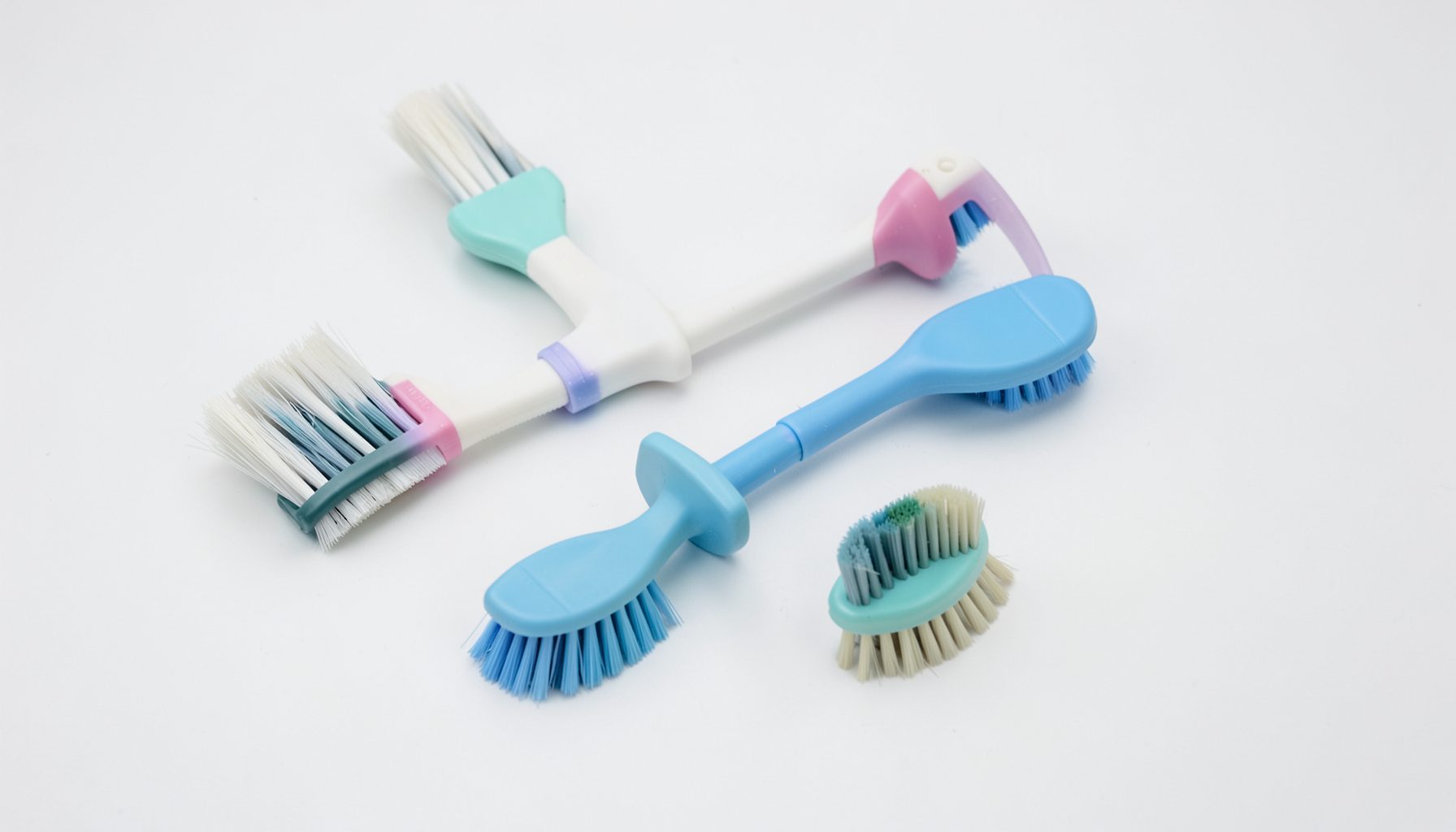
Switch nostrils and repeat. After use, rinse the bottle and let it air dry. Use ResQRinse Premium Cleaning Brushes for thorough cleaning.
Clearing Construction Dust from Your Sinuses After Home Renovations
Dust from a renovation doesn't behave like ordinary household dust. Sanding plasterboard, cutting timber, drilling into brick and chasing walls for new wiring sends a fine particulate cloud into the air that lingers for days. Across Australian homes, from a Queenslander lift in Brisbane to a kitchen rip-out in a Sydney terrace, this kind of debris is one of the most common causes of short-term sinus irritation.
A squeezy nasal rinse offers a straightforward way to flush those particles from the nasal passages before they settle deeper into the sinuses. Unlike the rigid neti pots many grew up with, modern bottles deliver a steady, gentle stream that reaches further and feels less awkward to use.
The Australian renovation market has boomed in recent years, with Bunnings reporting record trade-card sales and shows like The Block inspiring owner-builders in suburbs from Parramatta to Fremantle. With more people swinging hammers themselves, the question of how to look after their airways during and after the build has become surprisingly relevant.
Knowing what is in renovation dust, how it interacts with the nose, and how regularly to rinse makes the difference between a quick recovery and a fortnight of blocked sinuses. The following sections cover each of those points in turn.
Why Renovation Dust Hits Harder Than Regular Household Dust
Household dust is mostly dead skin, textile fibres and the occasional crumb. Renovation dust is a different beast entirely. Drywall sanding produces a talc-fine powder, while cutting MDF releases adhesive micro-particles. Older Australian homes built before the 1980s may also contain silica-bearing materials from cement rendering or fibre-cement sheeting, and disturbing these can create respirable crystalline silica dust.
Anything under ten microns can bypass the nose's natural filtering hairs and reach the lower airways. Anything coarser than that tends to lodge in the nasal vestibule, where it irritates the sensitive lining and triggers a protective mucus response. That is why tradies and DIYers alike often emerge from a weekend of demolition looking and feeling stuffed up.
Australia's climate makes things worse in specific ways. In Adelaide or inland parts of Victoria, low humidity during spring renovations keeps dust airborne longer. On the humid east coast, moisture binds particles to surfaces, only for them to puff back into the air the moment a sander passes over. Both situations mean the nose has to work overtime.
The Anatomy of Renovation Debris and Your Sinuses
The nasal cavity is the body's first line of defence against inhaled material. Tiny hairs called cilia line the passage and wave in coordinated rhythms to move mucus and trapped particles toward the throat. When the air is thick with renovation dust, this conveyor belt gets overloaded.
Particles that escape the cilia often settle in the sinus cavities, the air-filled pockets behind the cheeks, forehead and nose. These cavities drain through narrow ostia that can swell shut when irritated. Once drainage slows, pressure builds and the familiar heavy, full feeling of congestion sets in.
This is also where the body launches an immune response. Histamine release brings blood flow to the lining, swelling it further and ramping up mucus production. For people in Australia who already deal with seasonal allergens like ryegrass pollen in Melbourne or wattle in Canberra, renovation dust can amplify an already-loaded system.
How Nasal Irrigation Works for Renovation Exposure
A saline rinse works by mechanically flushing the nasal passage with a solution matched to the body's natural salt concentration. The water carries loose particles, excess mucus and inflammatory by-products out through the opposite nostril, leaving the lining cleaner and calmer. The moisturising effect of the saline also helps restore cilia function, which dust exposure tends to slow down.
Modern squeeze bottles have largely replaced ceramic neti pots because they let the user control the flow rate and angle. A steady, gentle stream is far more effective at reaching the upper reaches of the nasal cavity than gravity alone, and the closed system reduces the risk of splashing or contamination. The saline rinse system was built around this idea of a controlled, comfortable flush that people can use daily without dread.
What separates a routine rinse from a renovation-specific rinse is mostly timing. After a heavy dust day, two rinses — one mid-afternoon and one after an evening shower — clear out the bulk of accumulated debris before sleep. Sleeping with dust still in the nose tends to mean waking with that cement-headed feeling.
Building a Rinse Routine Around Your Renovation Schedule
Renovations rarely run on a tidy schedule, which is why a rinse habit needs to fit around tradie visits, weekend work sessions and the occasional surprise day of grinding concrete. Linking rinsing to existing anchor points in the day is the easiest way to make it stick.
After morning sanding or demolition, a quick rinse before lunch removes the worst of the morning's load. After afternoon work, a longer evening rinse paired with a shower clears the day's accumulation. On quieter days, a single gentle rinse first thing maintains the moisture balance and keeps the lining resilient for the next session.
Many Australians find it easier to keep a rinse bottle on the bathroom bench rather than tucked away in a cupboard, alongside the toothbrush. Visibility turns rinsing into a reflex. For people juggling work, kids and a renovation, that small bit of friction reduction matters more than any technical adjustment. The consistency guide walks through how to keep this up during hectic stretches.
Comparing Rinse Methods for Heavy Dust Days
Not every rinse is suited to a dust-heavy day. A fine mist sprayer is excellent for daily moisturising and mild allergies, but its droplet size is too small to shift the physical debris that settles after a session with the sander. A standard saline squeeze bottle delivers a stream that can dislodge that material.
Pressure also matters. Too little and the rinse will sit in the front of the nose; too much and it forces water into the sinus cavities too quickly, causing discomfort. A steady squeeze that produces a continuous but gentle flow is the sweet spot. Most people find a half-squeeze every second or so feels right.
Temperature of the water is another variable that people underestimate. Cold water can trigger a head-rush sensation in some users, while lukewarm distilled or previously boiled water feels neutral and is less likely to cause a shock response. In Australian winters, a quick warm-up makes the process far more pleasant.
Common Mistakes When Rinsing After Renovation Work
The most common mistake is rinsing only when symptoms have already appeared. By that point, particles have often migrated deeper than the rinse can easily reach, and the lining is already inflamed. A preventive rinse on heavy work days tends to produce better outcomes than a reactive one.
Another frequent error is using tap water straight from the bathroom tap without considering what it might contain. Australian mains water is generally safe, but biofilm in older shower heads and traces of metals in some regional supplies mean that filtered, distilled or freshly boiled-and-cooled water is the safer choice for anything going up the nose.
People also sometimes overdo it. Rinsing more than four times a day can strip the natural protective mucus layer, leaving the lining dry and more vulnerable to the next round of dust. Twice on heavy days and once on quiet days is enough for most adults. Kids' versions, designed for smaller noses, should follow the same logic but with lower volume per pass.
Finally, sharing a rinse bottle between family members during a renovation is a fast way to spread whatever virus is going around the household. Each person should have their own bottle, rinsed and air-dried between uses.
Supporting Sinus Health Between Renovation Days
Rinsing handles the mechanical side of dust clearance, but the body also needs general support to recover between heavy sessions. Hydration plays a quiet role: thin mucus flows more freely and traps particles more effectively than thick mucus, so drinking enough water matters as much as any rinse.
Australia's indoor air can be remarkably dry, particularly during winter in the southern states or all year round in air-conditioned apartments in Brisbane and Darwin. A humidifier in the bedroom keeps the nasal lining from drying out overnight, which in turn helps cilia keep moving.
Diet and sleep also feed back into sinus recovery. Foods rich in omega-3 fatty acids have a mild anti-inflammatory effect, and a solid night's sleep gives the immune system the runway it needs to settle any lingering irritation. Avoiding cigarette smoke and limiting alcohol during a renovation stretch helps too, since both slow cilia function.
Practical Habits for Managing Renovation Dust Exposure
- Seal off the work area with plastic sheeting and a taped door so dust does not migrate into living spaces.
- Vacuum with a HEPA-filtered unit rather than sweeping, which simply redistributes particles.
- Wear a properly fitted P2 mask during sanding, grinding and demolition rather than a basic dust mask.
- Change out of work clothes before sitting on the lounge or bed.
- Run an air purifier with a HEPA filter in the bedroom during heavy renovation weeks.
Head over to the ResQRinse blog for more practical tips and pick up the rinse kit that suits your setup before the sander fires up again.