ResQRinse is the nasal irrigation squeeze bottle that eliminates head-tilting and awkward neck positions. Using proprietary Nasal Lock™ technology, it delivers a comfortable, gag-free sinus cleanse — no more saline dripping down your throat.

Relief From Fall Sneezes
Now sold on Walmart.com. Free shipping on orders $30+. Try ResQRinse today with your everyday purchases.
Shop at WalmartWhy ResQRinse?
Nasal rinsing helps relieve congestion from colds, allergies, sinusitis, hay fever, and environmental pollutants. ResQRinse makes it comfortable enough to become a daily habit.
Nasal Lock™ Technology
Isolates sinuses from the throat using natural choanal occlusion — like inflating a balloon — so saline stays where it belongs.
Learn more →
Drug-Free Relief
Uses premixed saline packets with distilled water. No medications, no preservatives — just a natural cleanse for your nasal passages.
How to rinse →
For Kids Too
ResQRinse for Kids features a comfort nasal tip right-sized for smaller nostril openings, making rinsing gentle and easy for children.
Shop kids' version →
Breath-Controlled Flow
You control the saline flow with your own breath pressure — high volume, low pressure irrigation that's comfortable and effective.
Watch how-to videos →
Better Compliance
Designed to overcome the gagging and discomfort that cause people to abandon traditional neti pots and nasal rinse systems.
Our story →
Complete Kits Available
From the basic ResQRinse Nasal Rinse System ($19.99) to 90-day complete kits, saline packets, cleaning brushes, and Sinoptim Nasal Mist.
Browse all products →Get Started with ResQRinse
Ready to experience a better nasal rinse? Fill out the form below and we'll help you find the right product — or follow the simple steps to begin rinsing today.
Request More Information
How to Use ResQRinse
Fill the Bottle
Fill the ResQRinse squeeze bottle with distilled or previously boiled water and add one premixed saline packet.
Position the Tip
Place the comfort tip gently against one nostril. No head-tilting or awkward neck angles needed.
Squeeze & Breathe
Squeeze the bottle gently while breathing through your mouth. Nasal Lock™ keeps saline in your nasal passages and out of your throat.
Repeat & Clean
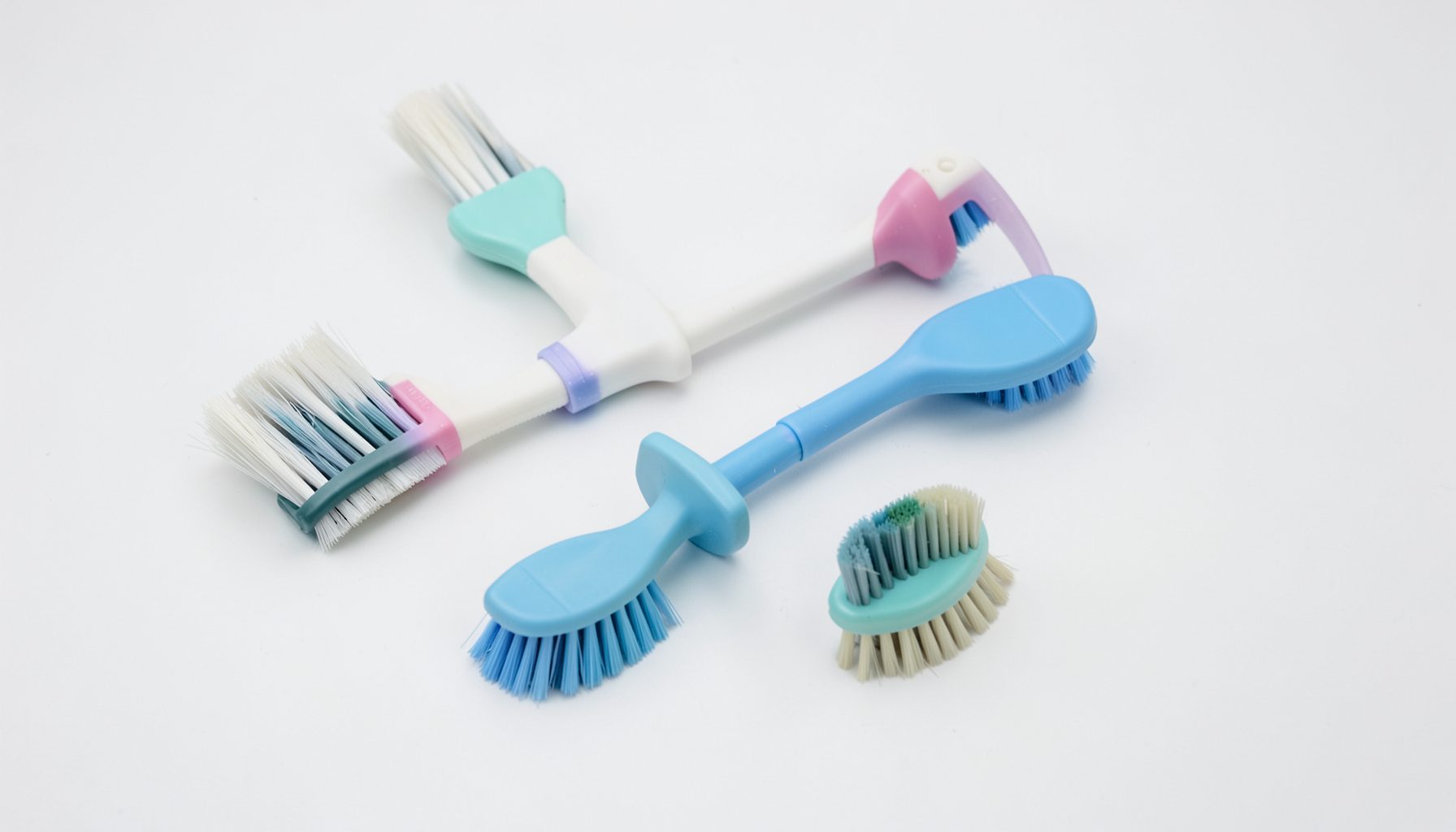
Switch nostrils and repeat. After use, rinse the bottle and let it air dry. Use ResQRinse Premium Cleaning Brushes for thorough cleaning.
Nasal Rinse Relief for Dry, Long-Haul Flights
Long flights can leave your nose feeling dry, blocked and irritated before you reach your destination. Aircraft cabins use highly filtered air, but the humidity is usually much lower than the conditions your nasal passages experience on the ground. After several hours, that dry airflow may thicken mucus and make existing allergies or sinus symptoms feel more noticeable.
A nasal rinse can help wash away dried mucus, airborne particles and allergens while adding moisture to the nasal passages. It may be especially useful during long-haul travel between Australia and North America, Europe or South-East Asia, where a flight can involve many hours in recycled cabin air, several meals and limited opportunities to freshen up.
The most comfortable approach is to plan ahead rather than wait until congestion becomes severe. Pack a suitable saline product, use safe water, follow the directions carefully and allow enough time for the rinse before boarding or after landing. A squeeze-bottle system can be simpler to manage than a traditional neti pot when you are travelling with limited space.
Nasal irrigation is intended for symptom relief, not as a cure for every cause of nasal blockage. People with severe facial pain, repeated nosebleeds, fever, ear pressure, breathing difficulty or symptoms that persist should speak with a doctor or pharmacist. Children should use an age-appropriate product with adult supervision.
Why Cabin Air Can Affect Your Nose
Aircraft cabins are pressurised for safety and comfort, but the air is typically drier than the air in a home or outdoor environment. Long periods of low humidity can cause the lining of the nose to lose moisture. This may lead to a scratchy sensation, crusting, thicker secretions and the feeling that one or both nostrils are blocked.
Cabin air is also circulated through filtration systems and can carry the effects of a busy travel environment. People may be exposed to dust from luggage areas, fragrance, cleaning products or allergens picked up in airports. If you already experience hay fever in Melbourne, dust sensitivity in Adelaide or seasonal irritation in Sydney, the combination of dry air and travel exposure may make symptoms more distracting.
A saline rinse gently flushes the nasal passages rather than relying on a medicated decongestant. It can help loosen mucus and clear irritants from the surface of the nose. The result is usually a cleaner, more hydrated feeling, although relief varies from person to person and may be temporary.
Choosing a Travel-Friendly Rinse System
A squeeze bottle is generally practical for travel because it is compact, easy to fill and allows you to control the pressure. ResQRinse systems use Nasal Lock technology, designed to help create a comfortable seal around the nostrils while the saline solution moves through the nasal passages. This can be easier for some users than balancing and tilting a neti pot.
Look for a system that includes clearly measured saline packets or instructions for preparing the correct concentration. A properly mixed isotonic saline solution is usually more comfortable than plain water, which can sting or feel unpleasant. A travel kit may also include a cleaning brush, while separate packets and nasal mist can be useful when you want a lighter option between full rinses.
Before packing a rinse bottle in carry-on luggage, check the latest rules for your departure airport and airline. Australian international screening generally limits liquids, aerosols and gels in cabin baggage, while medical products may be treated differently depending on the circumstances. Keeping saline packets dry and carrying the empty bottle separately can simplify security checks, but requirements can change.
How To Use a Nasal Rinse Before or After Flying
Prepare the solution with distilled, sterile or previously boiled and cooled water. Do not use water straight from an aircraft tap, airport bathroom tap or an unfamiliar hotel supply. Water safety is essential because contaminated water can introduce harmful organisms into the nasal passages. If you are unsure about the water available at your destination, use sealed distilled or sterile water where possible.
Wash your hands, mix the saline according to the product directions and lean over a sink. Keep your mouth open, breathe steadily and use gentle pressure. The solution should flow through one nostril and out through the other or the mouth, depending on your position and nasal anatomy. Never force the bottle if you feel sharp pain, strong ear pressure or complete blockage.
Many travellers prefer to rinse at home before leaving for the airport, particularly for an early flight from Brisbane or Perth. A second rinse after reaching the hotel can help remove accumulated dust and dried mucus. Avoid using the system immediately before take-off if you are still draining, because that can be inconvenient while boarding or settling into your seat.
Visual guidance can make the technique easier to learn, especially for first-time users, so review the rinse demonstration videos before your trip. Practising at home also helps you discover how much solution and pressure feels comfortable before you are in a crowded airport bathroom.
Building a Long-Haul Nasal Care Routine
Start hydrating before the flight and continue drinking water regularly, subject to any medical fluid restrictions. Water will not replace direct nasal moisture, but dehydration can add to the dry-mouth and dry-nose feeling that accompanies long periods in the cabin. Limit excess alcohol before and during the flight, as it may contribute to dehydration and poorer sleep.
A saline mist can be convenient when you want quick moisture without performing a full irrigation. It may fit more easily into an inflight routine, while a complete rinse is better suited to a private bathroom before departure or after arrival. If you use a medicated nasal spray, ask a pharmacist or doctor about the correct order and frequency rather than assuming it can be combined freely with irrigation.
Keep the bottle clean and allow it to dry fully between uses. Do not share a nasal irrigation device, even with family members. On a family holiday from Canberra or Hobart, each traveller should have their own device and age-appropriate supplies. Children may need a child-sized system and close supervision, particularly if they are nervous about water flowing through the nose.
Avoiding Common Travel Mistakes
Using plain tap water is one of the most important mistakes to avoid. Another is making the saline too strong or too weak, which can cause burning, pressure or irritation. Follow the packet measurements precisely and use the recommended volume of water. If the solution stings repeatedly, stop and reassess the mixture, temperature and technique.
Do not rinse when your nose is completely sealed, when you have severe ear pain or directly after nasal surgery unless your clinician has advised you to do so. A rinse should feel gentle rather than forceful. Persistent congestion may be caused by infection, polyps, structural issues or another condition that needs professional assessment.
Travellers sometimes pack a wet bottle in a sealed bag after use, creating a warm environment where germs can multiply. Empty the device, wash it as directed and let it air-dry. A small cleaning brush is useful for removing residue from the bottle and nozzle, especially on a multi-stop itinerary.
For product instructions, preparation guidance and information about the different ResQRinse options, review the nasal rinse information before departure. Australian customers should also confirm current delivery availability, pack sizes and seller details when ordering through Amazon or other online marketplaces. Walmart availability may vary by region, so check the listing and shipping terms for your location.
Practical Tips for Comfortable Air Travel
A simple routine can make nasal care easier to remember when your itinerary includes airport transfers, a stopover in Singapore or a long overnight sector from Sydney to London. Prepare supplies before leaving home and keep the items you need together rather than scattered through checked luggage.
- Rinse at home on the day of travel if your nose feels dry or congested.
- Pack saline packets and an empty, clean bottle in an accessible travel pouch.
- Use sterile, distilled or boiled-and-cooled water, never untreated aircraft or hotel tap water.
- Consider saline mist for quick moisture during the journey.
- Follow airline and airport rules for liquids, medical products and carry-on items.
- Clean, rinse and air-dry the device after every use.
- Seek medical advice for severe pain, fever, repeated bleeding or ongoing blockage.
The best timing depends on your symptoms and privacy. A rinse before leaving home may clear irritants for the first part of the trip, while a post-flight rinse can be useful after hours of dry cabin air. If you are travelling with children, introduce the process well before the departure date so they can become familiar with the bottle and sensation.
A nasal rinse is one practical part of a broader travel routine that can include water, rest, gentle movement and sensible hygiene. It cannot prevent every inflight illness or replace treatment for chronic sinus disease, but it may provide comfortable support when dryness and mucus are making a long journey harder.
Pack a correctly prepared saline system, practise the technique before your next flight and choose a product suited to your age, symptoms and travel plans. Use it safely before or after the journey, keep the device clean, and consult a healthcare professional when congestion goes beyond ordinary cabin-air discomfort.