ResQRinse is the nasal irrigation squeeze bottle that eliminates head-tilting and awkward neck positions. Using proprietary Nasal Lock™ technology, it delivers a comfortable, gag-free sinus cleanse — no more saline dripping down your throat.

Relief From Fall Sneezes
Now sold on Walmart.com. Free shipping on orders $30+. Try ResQRinse today with your everyday purchases.
Shop at WalmartWhy ResQRinse?
Nasal rinsing helps relieve congestion from colds, allergies, sinusitis, hay fever, and environmental pollutants. ResQRinse makes it comfortable enough to become a daily habit.
Nasal Lock™ Technology
Isolates sinuses from the throat using natural choanal occlusion — like inflating a balloon — so saline stays where it belongs.
Learn more →
Drug-Free Relief
Uses premixed saline packets with distilled water. No medications, no preservatives — just a natural cleanse for your nasal passages.
How to rinse →
For Kids Too
ResQRinse for Kids features a comfort nasal tip right-sized for smaller nostril openings, making rinsing gentle and easy for children.
Shop kids' version →
Breath-Controlled Flow
You control the saline flow with your own breath pressure — high volume, low pressure irrigation that's comfortable and effective.
Watch how-to videos →
Better Compliance
Designed to overcome the gagging and discomfort that cause people to abandon traditional neti pots and nasal rinse systems.
Our story →
Complete Kits Available
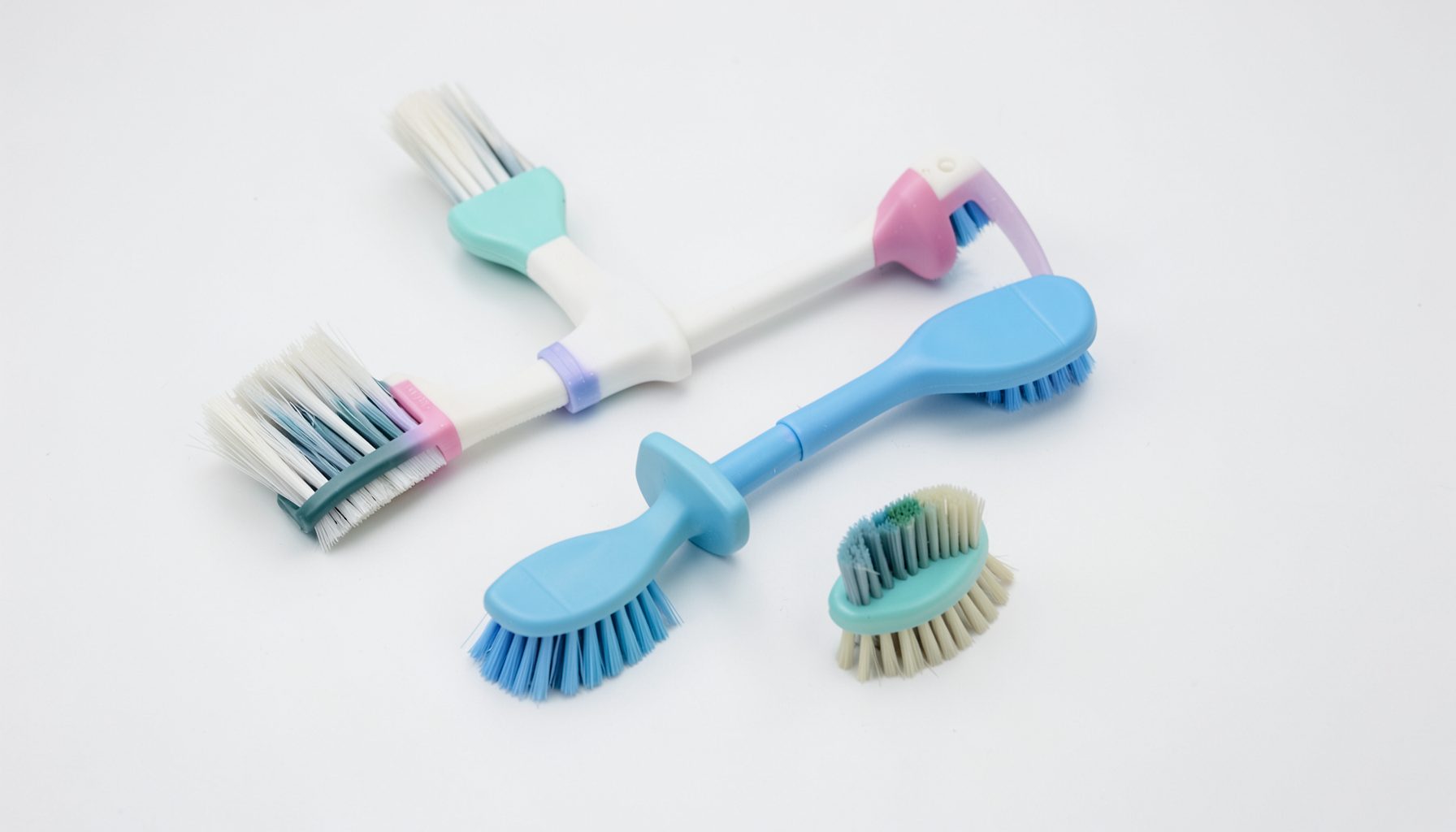
From the basic ResQRinse Nasal Rinse System ($19.99) to 90-day complete kits, saline packets, cleaning brushes, and Sinoptim Nasal Mist.
Browse all products →Get Started with ResQRinse
Ready to experience a better nasal rinse? Fill out the form below and we'll help you find the right product — or follow the simple steps to begin rinsing today.
Request More Information
How to Use ResQRinse
Fill the Bottle
Fill the ResQRinse squeeze bottle with distilled or previously boiled water and add one premixed saline packet.
Position the Tip
Place the comfort tip gently against one nostril. No head-tilting or awkward neck angles needed.
Squeeze & Breathe
Squeeze the bottle gently while breathing through your mouth. Nasal Lock™ keeps saline in your nasal passages and out of your throat.
Repeat & Clean
Switch nostrils and repeat. After use, rinse the bottle and let it air dry. Use ResQRinse Premium Cleaning Brushes for thorough cleaning.
How Nasal Irrigation Can Help After Flying With a Cold
Flying with a cold can leave your nose feeling blocked, dry, and unusually sensitive. Cabin air has low humidity, while changes in air pressure may increase discomfort in the nasal passages and sinuses. Spending hours breathing recycled, dry air can also make thick mucus harder to clear.
A gentle nasal rinse after landing may help wash away excess mucus, pollen, dust, and other irritants. It can provide a cleaner, more comfortable feeling without relying on medication, although it does not cure a viral cold or guarantee relief from sinus pressure.
Timing and technique matter. A rinse is generally more comfortable once you are off the aircraft and settled at your destination rather than during takeoff, landing, or active ear and sinus pressure changes. The right water, saline mixture, and device can make the process easier on an already irritated nose.
Why Flying Can Make Cold Symptoms Feel Worse
Cabin humidity is often much lower than the humidity people experience at home. That dry environment can cause the nasal lining to lose moisture, which may create a scratchy sensation and make congestion feel more intense. When you already have a cold, mucus may become thicker and less mobile.
Pressure changes during ascent and descent can add another layer of discomfort. Swollen nasal passages may make it harder for air to move normally through the spaces around the nose and sinuses. This can contribute to a feeling of fullness in the face, forehead, or ears.
A long flight also exposes travelers to shared air and frequently touched surfaces. A nasal rinse cannot remove every cause of illness, but rinsing after travel may help clear irritants and secretions that have collected during the journey. It works as a hygiene and comfort measure alongside rest, fluids, and other appropriate cold-care steps.
How a Nasal Rinse Supports Comfort
Nasal irrigation uses a saline solution to gently flow through one nostril and out the other, carrying mucus and particles with it. Saline is designed to be more comfortable than plain water, which can sting or feel irritating inside the nose. Rinsing may temporarily improve the sensation of airflow when congestion is caused by mucus or airborne irritants.
A squeeze-bottle system gives the user control over the pressure and flow. This can be useful after a flight because a slow, gentle rinse is often preferable when the nasal lining feels dry or tender. A device with a comfortable seal can also help reduce leakage during use; ResQRinse explains its Nasal Lock design as part of its approach to creating a secure fit.
Relief varies from person to person. Nasal irrigation may be useful for cold-related congestion, seasonal allergies, or thick nasal discharge, but it may not resolve deep sinus pain, an ear infection, or inflammation that needs medical evaluation. Stop if rinsing causes significant pain, repeated bleeding, or worsening pressure.
Choose and Prepare the Right System
A squeeze bottle, neti pot, saline spray, and nasal mist serve slightly different purposes. A bottle or pot is intended to flush mucus through the nasal passages, while a mist mainly adds moisture and may be easier to use when you want a quick refresh. Travelers who expect repeated congestion may prefer a compact kit with premixed saline packets and cleaning tools.
For people comparing sizes and accessories, complete rinse options can make it easier to find a system suited to home use, travel, or family needs. Children should use an age-appropriate product only with close adult supervision and according to the instructions supplied with the device.
Water safety is essential. Use distilled or sterile water, or tap water that has been boiled and cooled as directed by a trusted health authority. Do not fill a rinse bottle with untreated tap water. Mix the saline packet according to the product instructions rather than guessing the amount, since an overly strong or weak solution may sting.
Comparing Common Ways To Soothe a Blocked Nose
The best option depends on the severity of congestion, the need for moisture, and how comfortable you are with a flowing rinse. A nasal spray can be convenient at the airport or in an airplane, while a full irrigation is often better suited to a private space after arrival.
| Option | Useful after travel for | Points to consider |
|---|---|---|
| Saline rinse bottle | Flushing mucus, allergens, and irritants | Requires safe water, preparation, and cleaning |
| Neti pot | Gentle gravity-based irrigation | Can be slower to position and easier to spill |
| Saline mist | Quick moisture for a dry nose | Usually provides less flushing of thick mucus |
| Medicated nasal spray | Specific symptoms when recommended or used as directed | Some products have usage limits or potential side effects |
| Warm shower steam | Temporary comfort and moisture | Does not rinse away mucus and can cause burns if handled unsafely |
A saline rinse is best viewed as one part of a travel recovery routine. Drinking fluids, resting, using tissues gently, and keeping the air around you comfortably humid can support the same goal. If a clinician has recommended a particular nasal medication, follow that advice rather than replacing it without guidance.
A Comfortable Routine After Landing
Wait until you are away from the changing cabin environment and have access to clean water and a private sink. Wash your hands, prepare the saline solution, and check that the bottle or pot is clean. Lean over the sink, keep your mouth open, and breathe through it while allowing the solution to move gently through the nose.
Avoid forcing the flow if one side feels completely sealed. A blocked passage may need time to loosen, and strong pressure can increase discomfort in the ears or sinuses. If the solution runs into the throat, spit it out or let it drain without swallowing large amounts.
After rinsing, blow your nose gently, one side at a time. Do not blow forcefully, especially when your ears feel plugged after a flight. Some people prefer to use a saline mist later in the day if the nose feels dry again, while others find that one thorough rinse is sufficient.
Practical Steps For Safer Travel Relief
A simple preparation routine can prevent common mistakes and make post-flight nasal care more comfortable:
- Pack saline packets, a travel-sized rinse system, tissues, and a clean storage bag in an accessible part of your luggage.
- Use only distilled, sterile, or properly boiled and cooled water for irrigation.
- Rinse the device after every use, clean it as directed, and allow all parts to dry fully before storing.
- Use gentle pressure and stop if you notice sharp pain, heavy bleeding, dizziness, or increasing ear pressure.
- Keep personal rinse equipment separate from other travelers’ supplies, and never share a bottle or nasal applicator.
Travelers with sensitive nasal passages may want to test the system at home before taking it on a trip. Familiarity with the bottle angle, saline strength, and flow can reduce awkwardness when you are tired after a long flight. Pack extra saline packets if delays or connecting flights could extend your travel day.
When Symptoms Need Medical Attention
A cold commonly causes congestion, runny nose, sneezing, cough, and mild throat discomfort that gradually improves. Seek medical advice if symptoms are severe, continue to worsen, or last longer than expected. Medical attention is especially important for high fever, shortness of breath, severe facial swelling, confusion, dehydration, or intense pain around the eyes.
Ear pressure after flying may improve gradually, but severe ear pain, sudden hearing changes, drainage, or symptoms that persist should be assessed by a healthcare professional. People with recent nasal surgery, frequent nosebleeds, significant immune problems, or conditions affecting swallowing should ask a clinician whether nasal irrigation is appropriate.
A cold can also overlap with influenza, COVID-19, allergies, or bacterial complications. Testing and professional guidance may be appropriate when symptoms are unusual or exposure is suspected. Nasal rinsing can support comfort, but it should not delay care when warning signs appear.
Before your next journey, choose a saline rinse system that fits your travel routine, learn the technique at home, and pack it with safe water guidance and cleaning supplies. Used gently after arrival, nasal irrigation can help clear post-flight congestion and make recovery from a cold more comfortable.