ResQRinse is the nasal irrigation squeeze bottle that eliminates head-tilting and awkward neck positions. Using proprietary Nasal Lock™ technology, it delivers a comfortable, gag-free sinus cleanse — no more saline dripping down your throat.

Relief From Fall Sneezes
Now sold on Walmart.com. Free shipping on orders $30+. Try ResQRinse today with your everyday purchases.
Shop at WalmartWhy ResQRinse?
Nasal rinsing helps relieve congestion from colds, allergies, sinusitis, hay fever, and environmental pollutants. ResQRinse makes it comfortable enough to become a daily habit.
Nasal Lock™ Technology
Isolates sinuses from the throat using natural choanal occlusion — like inflating a balloon — so saline stays where it belongs.
Learn more →
Drug-Free Relief
Uses premixed saline packets with distilled water. No medications, no preservatives — just a natural cleanse for your nasal passages.
How to rinse →
For Kids Too
ResQRinse for Kids features a comfort nasal tip right-sized for smaller nostril openings, making rinsing gentle and easy for children.
Shop kids' version →
Breath-Controlled Flow
You control the saline flow with your own breath pressure — high volume, low pressure irrigation that's comfortable and effective.
Watch how-to videos →
Better Compliance
Designed to overcome the gagging and discomfort that cause people to abandon traditional neti pots and nasal rinse systems.
Our story →
Complete Kits Available
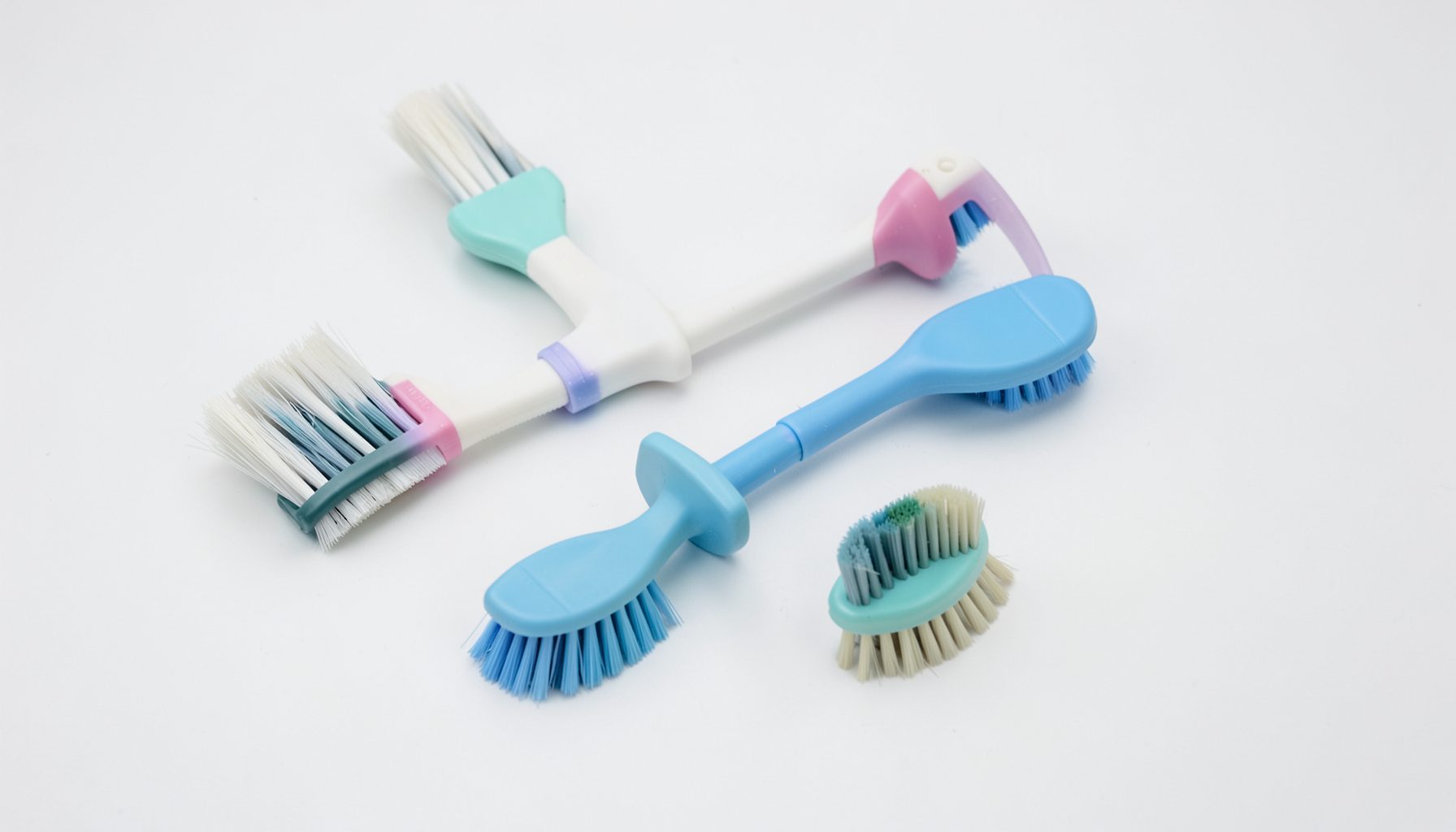
From the basic ResQRinse Nasal Rinse System ($19.99) to 90-day complete kits, saline packets, cleaning brushes, and Sinoptim Nasal Mist.
Browse all products →Get Started with ResQRinse
Ready to experience a better nasal rinse? Fill out the form below and we'll help you find the right product — or follow the simple steps to begin rinsing today.
Request More Information
How to Use ResQRinse
Fill the Bottle
Fill the ResQRinse squeeze bottle with distilled or previously boiled water and add one premixed saline packet.
Position the Tip
Place the comfort tip gently against one nostril. No head-tilting or awkward neck angles needed.
Squeeze & Breathe
Squeeze the bottle gently while breathing through your mouth. Nasal Lock™ keeps saline in your nasal passages and out of your throat.
Repeat & Clean
Switch nostrils and repeat. After use, rinse the bottle and let it air dry. Use ResQRinse Premium Cleaning Brushes for thorough cleaning.
Clear Morning Congestion from Dust Mites with Nasal Irrigation
Waking up with a blocked nose, scratchy throat, or that familiar pressure behind the eyes has become a routine complaint for many Australians. Whether you sleep in a Brisbane weatherboard home, a Melbourne apartment, or a Perth coastal rental, the culprits often hide in plain sight within your bedding. Sheets, doonas, and pillows create the perfect microclimate for microscopic organisms to flourish, and the fallout shows up the moment your alarm goes off.
Dust mites are tiny arachnids that feed on dead skin cells and thrive in warm, humid environments. In subtropical Queensland or steamy Darwin, bedroom humidity can climb high enough to support massive populations, while even drier regions like Hobart or Canberra harbour mites inside winter quilts and electric blankets. Their waste particles contain proteins that trigger immune responses, leaving you congested, sneezing, and fatigued before the day has begun.
Nasal irrigation offers a practical, non-medicated approach to clearing those allergens from the nasal passages before they cause prolonged inflammation. By flushing the sinuses with a balanced saltwater solution, you can physically remove the dust mite debris that accumulates overnight and start each morning breathing freely.
Why Australian Beds Become Dust Mite Hotspots
Australia's diverse climate zones create varying challenges for keeping bedding allergen-free. In humid coastal cities like Sydney and the Gold Coast, moisture remains trapped in mattresses and pillows, creating conditions where dust mite colonies can double within a few weeks. The popularity of thick wool quilts, memory foam toppers, and layered doonas adds insulation that holds body heat and humidity exactly where these creatures flourish.
Even in drier regions such as Adelaide or inland Victoria, winter heating systems reduce indoor humidity to levels that may seem unfavourable but actually concentrate allergens in bedding fibres. Central heating circulates airborne dust mite particles, while closed windows limit ventilation. The combination of sealed energy-efficient homes and heavy winter bedding creates reservoirs of allergens that release the moment you toss back the covers.
Regular washing helps, but standard home washing machines often struggle to maintain the temperatures needed to kill mites and remove their waste. Many Australian households wash sheets in cold or warm water to preserve fabrics, leaving allergens largely intact. Pillows and doonas may go months or years between proper cleans, allowing allergen loads to build steadily over time.
How Dust Mite Allergens Trigger Morning Symptoms
When you lie on a mite-infested pillow for seven or eight hours, your face rests directly against a concentrated source of allergens. These microscopic particles become airborne with every toss and turn, and you inhale them continuously throughout the night. By morning, the nasal passages are inflamed, swollen, and coated with irritants that the body has been trying to fight off.
The immune system responds to dust mite proteins by releasing histamine and other inflammatory chemicals. This reaction causes the familiar triad of morning symptoms: nasal congestion, itchy or watery eyes, and that persistent need to clear the throat. Many people also experience facial pressure, reduced sense of smell, and a general feeling of heaviness in the head that can linger for hours.
Unlike a cold or infection, dust mite reactions tend to follow a predictable pattern tied to sleep. Sufferers often feel worse upon waking, improve slightly after a shower and breakfast, then notice symptoms flare again when making the bed or handling bedding. Recognising this pattern is the first step toward addressing the root cause rather than just treating symptoms.
The Science Behind Saline Nasal Irrigation
Saline nasal irrigation works on a simple but effective principle: flushing the nasal cavities with a solution that matches the body's natural salt concentration helps clear mucus, allergens, and inflammatory debris. The process hydrates dry tissues, reduces swelling, and restores the natural cleaning function of the cilia, those tiny hair-like structures that line the nasal passages.
Research consistently shows that regular saline rinsing improves symptoms of allergic rhinitis, sinusitis, and chronic congestion. By physically removing dust mite particles before they can trigger a full immune response, irrigation acts almost like a morning shower for your sinuses. Many users report clearer breathing within minutes and reduced reliance on decongestant sprays that can cause rebound congestion with prolonged use.
The technique itself dates back centuries in various cultures, but modern delivery systems have made it far more practical. Squeeze-bottle systems allow controlled pressure and volume, reaching deeper into the sinus cavities than traditional methods. When used correctly, the solution flows through one nostril and exits the other, carrying allergens with it.
Comparing Rinse Bottles to Traditional Neti Pots
Neti pots have been used for centuries and remain popular in wellness circles across Australia. Their gravity-based flow is gentle and effective for basic rinsing, and many people appreciate their simplicity. However, the angle required to use a neti pot can be awkward, and the flow rate depends entirely on head position, which limits how thoroughly the sinuses can be cleared.
Squeeze-bottle rinse systems offer more active control. By gently squeezing the bottle, users can direct saline at a consistent pressure that reaches the upper sinuses and posterior nasal cavity, areas where neti pots often struggle. This makes them particularly useful for people dealing with thick mucus or significant allergen loads from sources like bedding.
Modern systems designed for comfort also address common complaints about traditional irrigation. Features like ergonomic bottle shapes, soft tips, and controlled valves reduce the risk of water entering the throat uncomfortably or causing ear pressure. For families dealing with morning congestion, children's versions with milder flow rates make the practice accessible from a young age. If you want to see the difference in action, the product demonstration library walks through proper use step by step.
Building a Bedtime Routine That Reduces Overnight Exposure
Breaking the cycle of morning congestion requires addressing both the source and the symptoms. Start by encasing pillows, mattresses, and doonas in allergen-proof covers that prevent mites from colonising the bedding core. These tightly constructed fabrics block mite allergens while remaining comfortable to sleep on.
Wash sheets and pillowcases weekly in water heated to at least 54 degrees Celsius, a temperature proven to kill dust mites. For Australians concerned about energy costs, hot tumble drying for thirty minutes after washing achieves similar results. Adding a few drops of eucalyptus oil, a staple in many Australian households, provides mild additional antimicrobial benefits and leaves bedding smelling fresh.
Reducing bedroom humidity below 50 percent starves mites of the moisture they need. A dehumidifier or air conditioner running during humid months makes a measurable difference, particularly in Queensland and northern New South Wales. Combined with regular nasal irrigation before bed and again in the morning, this multi-pronged approach addresses both prevention and immediate relief.
Choosing the Right Saline Mix and Water Quality
The saline solution used in nasal irrigation matters more than many people realise. Plain tap water, while generally safe to drink, can irritate nasal tissues because its salt concentration and pH differ from the body's natural fluids. Using a properly balanced saline mix ensures comfort and prevents the stinging or burning that discourages regular use.
Pre-measured saline packets take the guesswork out of preparation. They contain pharmaceutical-grade salt and sometimes sodium bicarbonate, which buffers the solution to match nasal tissues. For Australians using tank water or bore water in regional areas, using distilled or properly filtered water adds another layer of safety, particularly for immunocompromised individuals.
Temperature also plays a role. Lukewarm solution feels most comfortable and allows the salt to dissolve fully. Cold water can cause discomfort and reduce the solution's effectiveness, while hot water risks burning delicate nasal tissues. A simple test on the inside of the wrist, similar to checking a baby's bottle, confirms the temperature is just right. To understand the philosophy behind thoughtfully designed home health tools, consider how everyday wellness brands approach the balance between simplicity and effectiveness.
When to Seek Professional Advice for Persistent Congestion
While nasal irrigation and improved bedding hygiene resolve most cases of morning congestion, some situations warrant medical attention. If symptoms persist despite consistent hygiene improvements, or if congestion is accompanied by facial pain, fever, or coloured discharge, a sinus infection may be developing that requires targeted treatment.
People with asthma often find that dust mite exposure worsens their respiratory symptoms. Wheezing, chest tightness, or shortness of breath alongside morning nasal congestion signal the need for a comprehensive allergy management plan. An allergist can perform skin prick testing or blood tests to confirm dust mite sensitivity and recommend immunotherapy or medication if appropriate.
Structural issues such as a deviated septum or nasal polyps can also contribute to chronic morning congestion and may need medical or surgical intervention. An ENT specialist can assess whether anatomy is playing a role and recommend appropriate next steps. For ongoing support with sinus health, the ResQRinse brand story explains how thoughtful design supports long-term nasal wellness.
Persistent symptoms deserve proper evaluation rather than indefinite self-treatment. A short consultation often clarifies whether home measures are sufficient or whether additional support is needed to breathe comfortably again.
Morning congestion from bedding allergens is one of the most common yet overlooked health complaints in Australian households. The good news is that combining allergen-reducing bedding practices with a consistent nasal irrigation routine produces noticeable improvements within days. Many people report sleeping more soundly, waking with clearer sinuses, and enjoying reduced reliance on medications.
If chronic sinus issues have made you curious about broader approaches to respiratory wellness, exploring resources like Cheffy's blog can provide additional context on lifestyle factors that influence breathing and sleep quality. Pairing that knowledge with the right tools creates a foundation for lasting relief.
Browse the full range of rinse systems, children's kits, and saline supplies designed specifically for comfortable daily use. Your mornings can start with a clear breath instead of a blocked nose, and that single change often transforms the rest of the day along with it.