ResQRinse is the nasal irrigation squeeze bottle that eliminates head-tilting and awkward neck positions. Using proprietary Nasal Lock™ technology, it delivers a comfortable, gag-free sinus cleanse — no more saline dripping down your throat.

Relief From Fall Sneezes
Now sold on Walmart.com. Free shipping on orders $30+. Try ResQRinse today with your everyday purchases.
Shop at WalmartWhy ResQRinse?
Nasal rinsing helps relieve congestion from colds, allergies, sinusitis, hay fever, and environmental pollutants. ResQRinse makes it comfortable enough to become a daily habit.
Nasal Lock™ Technology
Isolates sinuses from the throat using natural choanal occlusion — like inflating a balloon — so saline stays where it belongs.
Learn more →
Drug-Free Relief
Uses premixed saline packets with distilled water. No medications, no preservatives — just a natural cleanse for your nasal passages.
How to rinse →
For Kids Too
ResQRinse for Kids features a comfort nasal tip right-sized for smaller nostril openings, making rinsing gentle and easy for children.
Shop kids' version →
Breath-Controlled Flow
You control the saline flow with your own breath pressure — high volume, low pressure irrigation that's comfortable and effective.
Watch how-to videos →
Better Compliance
Designed to overcome the gagging and discomfort that cause people to abandon traditional neti pots and nasal rinse systems.
Our story →
Complete Kits Available
From the basic ResQRinse Nasal Rinse System ($19.99) to 90-day complete kits, saline packets, cleaning brushes, and Sinoptim Nasal Mist.
Browse all products →Get Started with ResQRinse
Ready to experience a better nasal rinse? Fill out the form below and we'll help you find the right product — or follow the simple steps to begin rinsing today.
Request More Information
How to Use ResQRinse
Fill the Bottle
Fill the ResQRinse squeeze bottle with distilled or previously boiled water and add one premixed saline packet.
Position the Tip
Place the comfort tip gently against one nostril. No head-tilting or awkward neck angles needed.
Squeeze & Breathe
Squeeze the bottle gently while breathing through your mouth. Nasal Lock™ keeps saline in your nasal passages and out of your throat.
Repeat & Clean
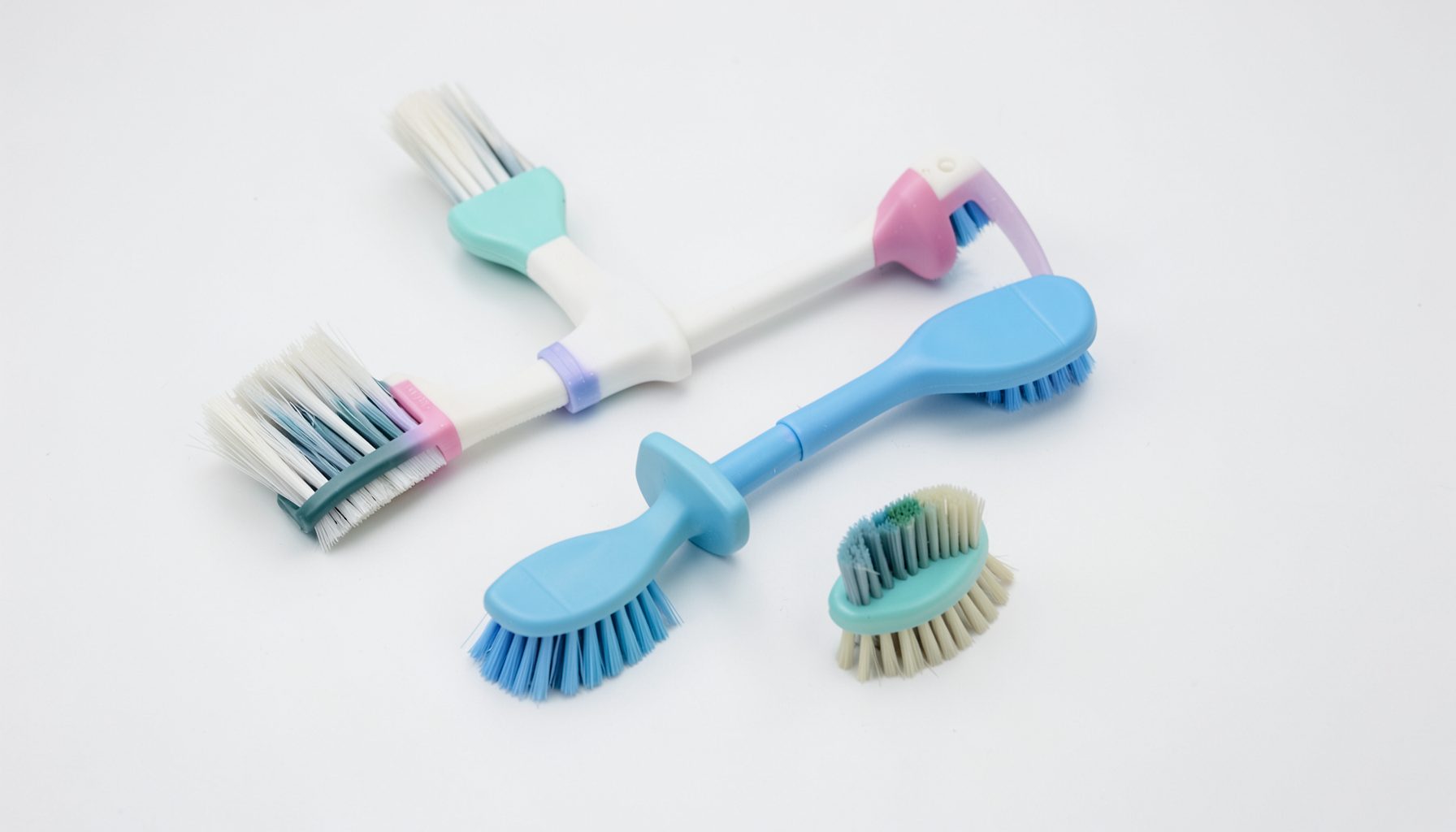
Switch nostrils and repeat. After use, rinse the bottle and let it air dry. Use ResQRinse Premium Cleaning Brushes for thorough cleaning.
Nasal irrigation for mould spore allergies in basements
Mould spores can trigger sneezing, congestion, watery eyes and the blocked nose many Australians call hay fever. In a damp basement, spores may become airborne whenever disturbed by footsteps, vacuuming or moving stored cardboard. Nasal irrigation can help wash particles and excess mucus from the nose, giving some people relief without medicated ingredients. It manages symptoms; it is not room sterilisation or a way to prevent allergic sensitisation. Learn more about Les Avantages D Un éclairage De Piscine Led Connecté.
Australian conditions make this issue familiar. La Niña rain, Melbourne’s sudden downpours and Brisbane’s humidity can leave below-ground rooms damp for weeks, while even dry Perth can flood after a storm. Many houses are built on concrete slabs, yet older homes and split-level properties may have a basement, under-house area or what the family calls the man cave. Such spaces often combine poor airflow, stored cardboard and an air conditioner that cools the room without removing enough moisture. Tackling that dampness matters as much as making the nose feel clearer.
Why damp lower-level rooms are a mould risk
Mould needs sustained moisture, not merely a basement address. Leaking hot-water pipes, failed stormwater drainage, rising damp and condensation can create the conditions it needs. A relative-humidity meter is more useful than guessing: aim to keep the room below about 60 per cent and improve airflow where possible. During a wet week in Sydney or Hobart, check the reading after running the aircon rather than assuming the room is safe because it feels cool.
Not every symptom near a lower level is mould-related. Dust mites, pet dander, smoke, viral infections and sinus problems can also cause congestion or sneezing. Notice whether symptoms begin after rain, after cleaning or mainly in that room, and whether they ease when it is ventilated. This pattern can guide a GP or allergist toward suitable testing and treatment.
Remediation and symptom relief can happen together, but source correction comes first. Repair leaks, clear gutters and drains, move porous belongings out, and avoid carpet or MDF furniture where water has repeatedly collected. If floodwater may carry sewage or chemicals, keep people out until the area is assessed. A rinse can clear particles that reach the nose, but it cannot remove mould hidden behind a wall or beneath flooring.
What a saline rinse can relieve
A saline rinse floods the nasal passages with a mild salt solution, loosening mucus and carrying trapped pollen, dust and mould particles toward the nostrils. This may reduce stuffiness and post-nasal drip and can complement a clinician’s allergy plan. The effect is generally temporary, and it does not desensitise the immune system. Use only plain, isotonic saline intended for the nose; a homemade mixture with too much salt can irritate or dry the lining.
ResQRinse describes its Nasal Lock technology as part of a squeeze-bottle format designed for comfortable irrigation, rather than the narrow spout and head position associated with many traditional neti pots. Because pressure is under the user’s control, a beginner can start gently and pause if the sensation becomes uncomfortable. The wider range includes rinse systems, children’s versions, saline packets, cleaning brushes, complete kits and nasal mist, allowing shoppers to compare refill supplies and storage needs before purchase.
A squeeze bottle is particularly handy in a basement because it is easy to hold at different angles and less awkward than a neti pot beside a low basin. It does not make the water source or cleaning routine optional, however. Nasal mist can moisturise irritated passages, but it is not a full rinse and does not remove as much trapped material.
When and how to rinse safely
For peace of mind, use distilled or sterile water, or bring tap water to a rolling boil and let it cool according to current health guidance. Do not use untreated rainwater, stagnant tank water or water from a bore, and never use water that has contacted flood debris. Hands should be washed and the bottle checked for cracks or a damaged cap. These precautions matter more in a mouldy setting, where the nose is already irritated and the immune system is responding.
Clean the nose first, then lean over a sink with the head slightly forward. Insert the bottle tip only as far as it feels comfortable, squeeze gently and let fluid drain from one nostril while the mouth stays open. Stop if there is sharp pain, substantial bleeding or increasing pressure in the ears; forceful irrigation can worsen irritation or push fluid into the middle ear. Sinusitis with facial pain, coloured discharge or fever needs medical review rather than repeated home rinsing alone. Repeat according to the product directions and the advice of a health professional.
After use, wash the bottle and cap as directed, paying particular attention to the seal and spout. A purpose-made cleaning brush can reach areas that fingers miss. Air-dry all components completely rather than sealing them inside a damp bottle, and store the kit away from the affected room. Check saline packet expiry dates, and do not top up an old bottle with fresh solution.
If congestion has appeared alongside menopause, broader menopause symptom guidance may help identify changes that need separate medical attention. Hormonal changes can affect how the nasal lining feels, but new or one-sided symptoms still require assessment. Anyone with recent nasal surgery, a facial injury, recurrent nosebleeds or ongoing ear problems should ask a clinician whether irrigation is suitable. Children should use an age-appropriate product with adult supervision.
Reducing exposure at the source
Fixing the water source usually produces longer-lasting benefits than repeatedly rinsing a room that remains wet. Repair plumbing, redirect downpipes away from the foundation, check stormwater drains and insulate cold pipes where condensation forms. A dehumidifier or properly vented extractor fan can help during humid weather, and a portable hygrometer makes it easier to tell whether the room is genuinely drying. Check whether the aircon has a dry or dehumidify mode; cooling and moisture removal are separate functions.
Clean only what can be safely cleaned. Vacuum dust with a sealed HEPA unit, use a correctly fitted P2 mask where appropriate, and follow the label on a suitable cleaning product. Never mix bleach with ammonia or acidic cleaners. Extensive mould, repeated flooding or a musty smell that persists after drying is a job for a qualified remediator.
For Australian homes with a pool near the lower level, safe lighting around water matters after dark. A guide to connected LED pool lights covers visibility and convenience, while pool water needs its own correct chemical balance. Keep the pool area, paving and downpipes maintained so water does not add hidden damp around the house. No lighting upgrade replaces leak repairs, drainage or sensible indoor humidity control.
Choosing a device and tracking results
A complete kit is usually the simplest starting point for a household that wants bottles, packets and a brush together. A children’s system may have a smaller bottle and softer tip, while a standard squeeze bottle may suit adults who plan to rinse more often. Buying refill packets and replacement brushes from the official brand can simplify maintenance. Nasal mist is a separate option for moisturising, not a substitute for irrigation.
Before ordering through an online marketplace, check the seller, packet count, bottle capacity and whether the product is new and sealed. Amazon and Walmart’s online marketplaces list ResQRinse products, but shoppers in Australia should confirm delivery to their postcode, the currency, any GST or import charges and the return address. Because Walmart has no Australian supermarket network, marketplace photographs and cross-border delivery deserve extra attention compared with buying through a familiar Australian retailer.
Reading customer testimonials can help set expectations about comfort, ease of use and routine cleaning, but individual experiences are not medical evidence. Track the same measures each time: blocked nose, sneezing, eye watering, how long relief lasts and any irritation. If symptoms remain severe, ask a GP about allergy testing, medication or an allergist referral. Call 000 for breathing difficulty, chest tightness, coughing blood or other signs of a serious reaction.
Treat the room and the symptoms as two linked jobs. Check leaks, humidity and ventilation first, then, if a squeeze-bottle rinse suits your health history, choose a complete ResQRinse kit and follow the supplied directions for water, technique and cleaning.
A repeatable routine is easier to maintain than a quick rinse during a symptomatic rush. Keep moisture under control, clean equipment as directed and seek medical advice when symptoms persist or become severe. With the source addressed and the right device chosen, nasal irrigation can be a practical part of everyday relief in an Australian home.