ResQRinse is the nasal irrigation squeeze bottle that eliminates head-tilting and awkward neck positions. Using proprietary Nasal Lock™ technology, it delivers a comfortable, gag-free sinus cleanse — no more saline dripping down your throat.

Relief From Fall Sneezes
Now sold on Walmart.com. Free shipping on orders $30+. Try ResQRinse today with your everyday purchases.
Shop at WalmartWhy ResQRinse?
Nasal rinsing helps relieve congestion from colds, allergies, sinusitis, hay fever, and environmental pollutants. ResQRinse makes it comfortable enough to become a daily habit.
Nasal Lock™ Technology
Isolates sinuses from the throat using natural choanal occlusion — like inflating a balloon — so saline stays where it belongs.
Learn more →
Drug-Free Relief
Uses premixed saline packets with distilled water. No medications, no preservatives — just a natural cleanse for your nasal passages.
How to rinse →
For Kids Too
ResQRinse for Kids features a comfort nasal tip right-sized for smaller nostril openings, making rinsing gentle and easy for children.
Shop kids' version →
Breath-Controlled Flow
You control the saline flow with your own breath pressure — high volume, low pressure irrigation that's comfortable and effective.
Watch how-to videos →
Better Compliance
Designed to overcome the gagging and discomfort that cause people to abandon traditional neti pots and nasal rinse systems.
Our story →
Complete Kits Available
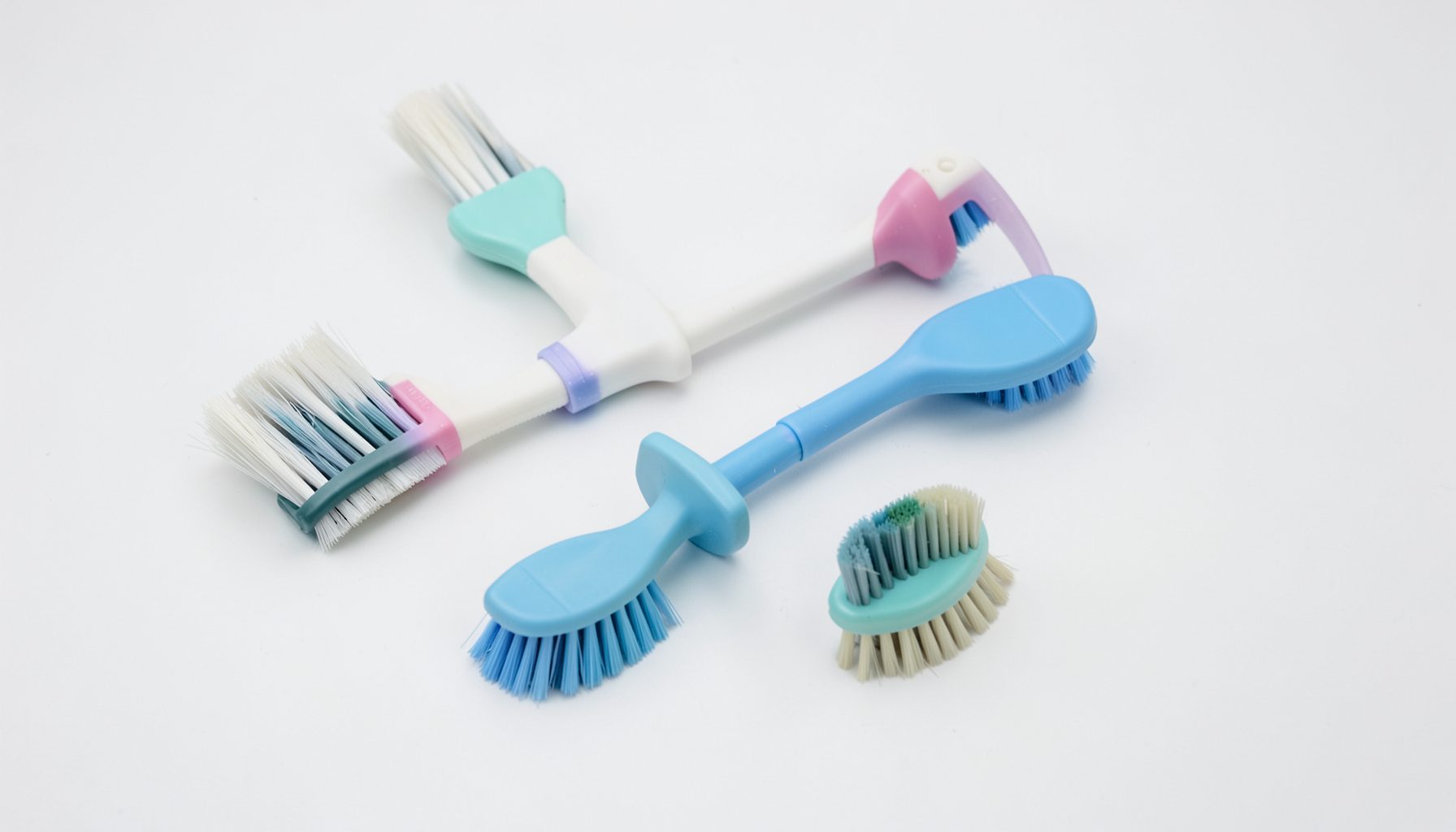
From the basic ResQRinse Nasal Rinse System ($19.99) to 90-day complete kits, saline packets, cleaning brushes, and Sinoptim Nasal Mist.
Browse all products →Get Started with ResQRinse
Ready to experience a better nasal rinse? Fill out the form below and we'll help you find the right product — or follow the simple steps to begin rinsing today.
Request More Information
How to Use ResQRinse
Fill the Bottle
Fill the ResQRinse squeeze bottle with distilled or previously boiled water and add one premixed saline packet.
Position the Tip
Place the comfort tip gently against one nostril. No head-tilting or awkward neck angles needed.
Squeeze & Breathe
Squeeze the bottle gently while breathing through your mouth. Nasal Lock™ keeps saline in your nasal passages and out of your throat.
Repeat & Clean
Switch nostrils and repeat. After use, rinse the bottle and let it air dry. Use ResQRinse Premium Cleaning Brushes for thorough cleaning.
Nasal Rinsing Safety When Your Immune System Is Weakened
Nasal irrigation can wash away mucus, dust, pollen and other irritants when your nose feels blocked. For many people, a gentle saline rinse is a useful part of managing allergies, sinus symptoms or congestion. When immune defences are reduced, however, safe preparation and cleaning matter even more.
A weakened immune system may result from chemotherapy, an organ transplant, HIV, immune-suppressing medicines, some autoimmune conditions or other medical treatments. Your ability to fight an infection can vary considerably, so advice that is suitable for a healthy adult may not be right for you.
Nasal irrigation for people with weakened immune systems should be planned with a GP, specialist or pharmacist, particularly if you have recently had nasal surgery or are experiencing frequent infections. A rinse can ease symptoms, but it does not treat the underlying cause of persistent sinus disease.
Australia’s climate can add to nasal irritation. Melbourne’s spring pollen, Brisbane’s humidity, dry inland air and smoke from bushfires can all make the nose feel congested. A rinse may help remove particles, but it must be performed with water and equipment that do not introduce new germs.
Why Immune Status Changes Rinse Safety
The main concern is contamination. Water that is safe to drink is not automatically safe to put deep inside the nose. Australian town water is treated and closely managed, yet it can still contain very small numbers of organisms. A healthy person may handle exposure without trouble, while someone taking immune-suppressing medication may have a higher risk of serious infection.
Ask your treating clinician whether nasal irrigation is appropriate for your condition and when it is safe to begin. This is especially important during intensive chemotherapy, after a transplant, during a severe flare of an autoimmune illness or when your white blood cell count is low. Your clinician may recommend postponing irrigation, using a particular product or following a more specific cleaning routine.
Saline concentration also affects comfort. A solution that is too salty can sting and dry the lining of the nose; one that is too weak may feel unpleasant and can contribute to swelling. Commercial single-use saline sachets help provide a measured balance when mixed according to the instructions. Do not add essential oils, antiseptics, herbal extracts or tap water straight from the tap.
Use Safe Water And Clean Equipment
Use sterile or distilled water, or tap water that has been boiled and then cooled to lukewarm temperature. In Australia, a rolling boil is commonly advised before cooling water for nasal rinsing; follow your healthcare professional’s instructions and local public-health guidance. Never use hot water, because it can burn delicate nasal tissue. Never use water from a rainwater tank, creek, swimming pool or filtered jug unless it has been made safe by boiling or is specifically labelled sterile or distilled.
Prepare only the amount you need. Storing leftover saline encourages bacterial growth, even if the container appears clean. Wash your hands before mixing a rinse and avoid touching the sachet, bottle opening or nozzle to the bench, sink or inside of the nose. If the device becomes cracked, cloudy, sticky or difficult to clean, replace it.
After each use, separate the bottle parts and wash them with warm water and mild dishwashing liquid if the manufacturer permits. Rinse thoroughly, allow every part to air-dry completely and store it in a clean, dry place. A cleaning brush can help reach narrow areas, but it also needs to be washed and dried. Do not share a nasal irrigation bottle with family members, including children.
For product-specific cleaning, replacement and preparation details, check the manufacturer’s product FAQs before using a new rinse system. Follow the instructions supplied with that device rather than assuming every squeeze bottle or nasal pot works in the same way.
Choose A Gentle Technique
Stand over a sink and lean slightly forward, keeping your mouth open so you can breathe. Turn your head gently to one side and place the nozzle at the nostril without forcing it. A squeeze-bottle system should deliver a steady, comfortable flow; strong pressure is unnecessary and may push fluid towards the ears or irritate swollen tissue.
Let the saline drain through the other nostril or into the mouth, then spit it out. Blow your nose gently afterwards, one side at a time. Avoid forceful blowing, repeated squeezing or tipping your head far back. Nasal Lock-style designs can help create a more controlled seal around the nostril, but the user should still apply light pressure and stop if there is pain.
The best timing depends on your symptoms and medical advice. Some people rinse after exposure to pollen, dust or smoke, while others prefer a morning or evening routine. If morning blockage is a problem, this morning congestion guide explains how a saline rinse may fit into an allergy-care routine.
Stop immediately if you feel sharp pain, significant ear pressure, choking, dizziness or burning that does not settle. Do not use a rinse when the nose is completely sealed and fluid cannot pass, unless your clinician has shown you a safe method. A saline mist may be a gentler option for dryness, although it does not flush mucus as thoroughly as irrigation.
Recognise Warning Signs Early
People with reduced immunity should take new or worsening symptoms seriously. Contact your GP, specialist team or an after-hours medical service if congestion is accompanied by fever, chills, unusual tiredness, facial swelling, severe headache, neck stiffness, confusion or shortness of breath. Seek urgent care for difficulty breathing, swelling around the eyes, vision changes or a rapidly worsening illness.
A small amount of mild stinging can occur when the nasal lining is irritated, but persistent bleeding is not expected. Stop rinsing and obtain medical advice if nosebleeds recur, discharge becomes foul-smelling, symptoms are strongly one-sided or facial pain continues. You may need examination, a swab or prescription treatment rather than more frequent irrigation.
Be careful with timing around medical procedures. If you have recently had sinus or nasal surgery, use irrigation only according to the surgeon’s instructions. The same applies after nasal packing, significant injury or treatment that leaves the lining fragile. A GP or pharmacist can also check whether a nasal medicine, decongestant or steroid spray should be used before or after saline.
Do not use a rinse to delay care for a suspected infection. Antibiotics, antifungal medicines or other treatments should be taken only when prescribed. A clean rinse may remove secretions and improve comfort, but it cannot replace clinical assessment when immunity is compromised.
Build A Safer Rinse Routine
A simple routine can reduce mistakes on busy mornings or when you are feeling unwell. Keep the saline sachets, clean device and safe water together, and mark the bottle with the date it was opened if the manufacturer provides a replacement schedule. Australian households may move between treated town water, tank water and camping supplies, so check the water source each time rather than relying on habit.
Use this quick preparation check before every rinse:
- Wash and dry your hands thoroughly
- Confirm the water is sterile, distilled or boiled and cooled
- Check that the bottle, nozzle and cap are clean and undamaged
- Mix the saline exactly as directed
After rinsing, focus on drying and storage:
- Empty any unused solution immediately
- Wash the device according to its instructions
- Air-dry all parts completely before reassembly
- Replace the device or parts at the recommended interval
For Australians buying online through marketplaces such as Amazon or Walmart, check that the kit includes compatible saline sachets and clear cleaning instructions. Delivery conditions, replacement-part availability and packaging can vary, so do not substitute an unlabelled powder or a household measuring spoon for the intended saline packets. A local chemist or pharmacist can help you compare a nasal rinse, saline mist and other options, particularly if you take several medicines.
Children, older adults and anyone with limited hand strength may need supervision. A child-sized system can be easier to control, but immune status still determines whether irrigation is suitable. Do not pressure a child or dependent adult to continue if they are frightened, in pain or unable to follow the instructions safely.
A rinse should feel like supportive symptom care, not a test of endurance. Use it only as often as recommended, keep your healthcare team informed and pause the routine whenever your condition changes. Bring the product or its instructions to an appointment if you are unsure about preparation or technique, and ask your GP or specialist to approve the routine before starting if your immune system is significantly weakened.