ResQRinse is the nasal irrigation squeeze bottle that eliminates head-tilting and awkward neck positions. Using proprietary Nasal Lock™ technology, it delivers a comfortable, gag-free sinus cleanse — no more saline dripping down your throat.

Relief From Fall Sneezes
Now sold on Walmart.com. Free shipping on orders $30+. Try ResQRinse today with your everyday purchases.
Shop at WalmartWhy ResQRinse?
Nasal rinsing helps relieve congestion from colds, allergies, sinusitis, hay fever, and environmental pollutants. ResQRinse makes it comfortable enough to become a daily habit.
Nasal Lock™ Technology
Isolates sinuses from the throat using natural choanal occlusion — like inflating a balloon — so saline stays where it belongs.
Learn more →
Drug-Free Relief
Uses premixed saline packets with distilled water. No medications, no preservatives — just a natural cleanse for your nasal passages.
How to rinse →
For Kids Too
ResQRinse for Kids features a comfort nasal tip right-sized for smaller nostril openings, making rinsing gentle and easy for children.
Shop kids' version →
Breath-Controlled Flow
You control the saline flow with your own breath pressure — high volume, low pressure irrigation that's comfortable and effective.
Watch how-to videos →
Better Compliance
Designed to overcome the gagging and discomfort that cause people to abandon traditional neti pots and nasal rinse systems.
Our story →
Complete Kits Available
From the basic ResQRinse Nasal Rinse System ($19.99) to 90-day complete kits, saline packets, cleaning brushes, and Sinoptim Nasal Mist.
Browse all products →Get Started with ResQRinse
Ready to experience a better nasal rinse? Fill out the form below and we'll help you find the right product — or follow the simple steps to begin rinsing today.
Request More Information
How to Use ResQRinse
Fill the Bottle
Fill the ResQRinse squeeze bottle with distilled or previously boiled water and add one premixed saline packet.
Position the Tip
Place the comfort tip gently against one nostril. No head-tilting or awkward neck angles needed.
Squeeze & Breathe
Squeeze the bottle gently while breathing through your mouth. Nasal Lock™ keeps saline in your nasal passages and out of your throat.
Repeat & Clean
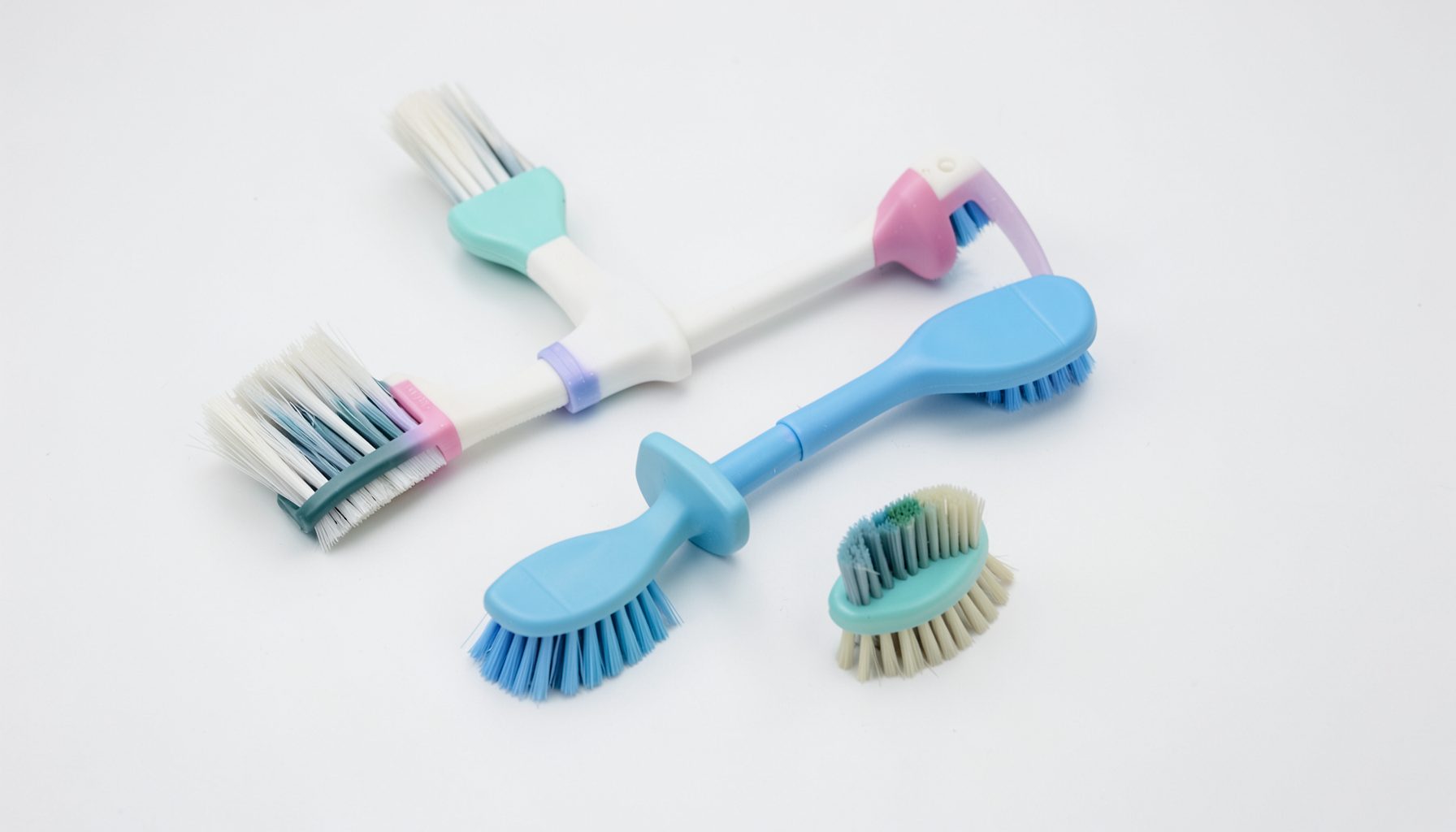
Switch nostrils and repeat. After use, rinse the bottle and let it air dry. Use ResQRinse Premium Cleaning Brushes for thorough cleaning.
Nasal irrigation for summer grass pollen allergies
For people with allergies to grass pollen in the summer, nasal irrigation can be a simple way to wash away irritants before they remain in the nose for hours. A gentle saline rinse may loosen mucus, reduce the feeling of blockage and help clear pollen after time outdoors. It is a supportive measure rather than a cure for allergic rhinitis, so it works best alongside advice from a pharmacist or doctor.
Australian summers can bring high pollen exposure from lawns, parks, sporting fields and rural areas. In Melbourne and Canberra, grass pollen is a familiar trigger during the warmer months, while Sydney, Adelaide and Perth can also experience seasonal hay fever when dry, windy weather carries pollen through neighbourhoods. Some people notice symptoms after mowing, walking through long grass or spending time at weekend events.
Typical signs include sneezing, an itchy nose, watery eyes, a runny nose and congestion. Pollen can also settle on hair, skin and clothing, meaning symptoms may continue after returning home. Rinsing at a suitable time can help remove these particles from the nasal passages, especially after gardening, exercise or an outdoor commute.
The technique matters. Nasal irrigation should feel comfortable, use the correct saline concentration and rely on safe water. A squeeze-bottle system can provide more control than a traditional neti pot, while a children’s design may be easier for families to manage. Anyone with severe pain, recurrent nosebleeds, ear problems or symptoms that do not improve should seek clinical advice.
How grass pollen affects the nose
When grass pollen enters the nasal passages, the immune system can treat it as a threat. This response releases inflammatory chemicals, including histamine, which can cause swelling and increased mucus production. The result may be a blocked or dripping nose, repeated sneezing and an itchy sensation that makes breathing uncomfortable.
Pollen levels often rise on dry, breezy days and around freshly cut grass. The Australian summer calendar is slightly different from the northern hemisphere, with the most relevant period commonly running through the warmer months from late spring into summer. Local conditions vary, so checking a reliable pollen forecast and observing personal triggers can help identify the days when extra precautions are useful.
A saline rinse acts mechanically. It can flush out pollen, dust and thickened mucus without adding a medicinal ingredient. This is useful for people who prefer a non-drug option or want to combine nasal cleansing with a treatment recommended by a healthcare professional. It does not prevent the immune reaction entirely, and it should not replace prescribed allergy medication when that medication is needed.
Choosing a comfortable saline rinse
A rinse should be gentle enough for regular seasonal use. Saline packets are formulated to create a balanced solution, helping reduce the stinging that may occur when plain water or an incorrectly mixed solution is used. Follow the product instructions rather than adding extra salt, as a solution that is too strong can irritate the nasal lining.
Bottle design also affects comfort and control. A soft squeeze bottle lets the user regulate pressure, while a nasal lock or similar seal can help direct the saline through the nasal passages with less mess. ResQRinse explains its system and product range, including Nasal Lock technology, for people comparing a squeeze bottle with a neti pot.
For children, supervision and an age-appropriate product are important. A child should not be forced to continue if the process feels frightening or painful. A calm explanation, a small amount of practice and a bathroom routine can make nasal hygiene more manageable. Parents should check with a healthcare professional if a child has recurring sinus infections, persistent blockage or unusual symptoms.
Safe preparation and everyday technique
Use sterile, distilled or appropriately treated water for nasal irrigation. Australian tap water is suitable for drinking in many locations, but drinking-water safety does not automatically mean it is appropriate for rinsing the nose. Water should be boiled and cooled according to health guidance if sterile or distilled water is unavailable. Do not use untreated tank, river or rainwater.
Wash your hands before preparing the rinse. Mix the saline packet with the recommended water volume, lean over a basin and keep the mouth open so you can breathe comfortably. Place the nozzle securely against one nostril, apply gentle pressure and allow the solution to drain through the other side or the mouth. Stop if there is sharp pain, pressure in the ears or significant discomfort.
After use, empty the bottle, rinse it as directed and allow every part to air-dry fully. Moist, enclosed equipment can support microbial growth. Cleaning brushes may help reach internal surfaces, but they should be used according to the manufacturer’s instructions. Replace the device when it becomes worn, cracked or difficult to clean.
Avoid sharing a nasal irrigation bottle, even within a family. A fresh saline mixture should be prepared each time unless the product instructions specifically state otherwise. These habits are especially relevant during the busy summer period, when families may take rinse kits to beaches, campsites or holiday accommodation.
Fitting irrigation into an Australian summer routine
Timing can make a difference. Rinsing after mowing the lawn, playing cricket, walking through a park or attending an outdoor barbecue may remove pollen before it settles for the evening. Some people prefer to rinse after showering or before bed, particularly when blocked breathing interferes with rest. Keeping windows closed during high-pollen periods and changing clothes after outdoor activity can further reduce exposure.
Bedrooms deserve attention because pollen carried indoors on clothing and hair can disturb sleep. Wash bedding regularly, keep outdoor clothing away from the bed and consider showering after prolonged exposure. If congestion is contributing to poor sleep, a pharmacist can discuss suitable options. General information about melatonin supplements and sleep may be relevant to some adults, but melatonin does not treat grass pollen allergy and should not be taken casually.
People who experience wheezing, chest tightness or breathing difficulty after thunderstorms or heavy pollen exposure need prompt medical guidance. Thunderstorm asthma is a recognised Australian health concern, particularly in areas with high grass pollen. Nasal irrigation may clear the nose, but it cannot manage lower-airway symptoms or replace an asthma action plan.
Building a practical pollen-care routine
A consistent routine is usually easier than waiting until congestion becomes severe. Keep the rinse system in a clean, accessible place, monitor the local forecast and use it after exposure when it suits your healthcare plan. Pairing nasal irrigation with trigger avoidance, prescribed medicines and sensible cleaning can provide broader symptom control than relying on one measure alone.
Use these habits to make summer allergy care safer and easier:
- Check grass pollen conditions before mowing, running or spending extended time outdoors.
- Rinse with sterile, distilled or correctly boiled-and-cooled water.
- Follow the saline packet measurements and avoid using plain water.
- Clean, dry and store the irrigation bottle as directed after every use.
- Ask a pharmacist or doctor about persistent congestion, recurrent nosebleeds, ear pressure or breathing symptoms.
Australian consumers should also check delivery times, replacement saline availability and product instructions before travelling. Products may be purchased through major online marketplaces such as Amazon or Walmart where available, while local pharmacy advice can help with saline sprays, antihistamines and other complementary options. A nasal mist may be more convenient for mild dryness or quick relief when a full rinse is impractical, though it does not provide the same flushing action.
For seasonal hay fever, nasal irrigation is most useful when it becomes a measured part of daily life rather than an uncomfortable emergency measure. Choose a system that feels secure, use safe water, clean it carefully and pay attention to symptoms beyond the nose. Explore the ResQRinse FAQs for product-use details, then consider adding a suitable rinse to your summer pollen routine with guidance from a qualified Australian healthcare professional.