ResQRinse is the nasal irrigation squeeze bottle that eliminates head-tilting and awkward neck positions. Using proprietary Nasal Lock™ technology, it delivers a comfortable, gag-free sinus cleanse — no more saline dripping down your throat.

Relief From Fall Sneezes
Now sold on Walmart.com. Free shipping on orders $30+. Try ResQRinse today with your everyday purchases.
Shop at WalmartWhy ResQRinse?
Nasal rinsing helps relieve congestion from colds, allergies, sinusitis, hay fever, and environmental pollutants. ResQRinse makes it comfortable enough to become a daily habit.
Nasal Lock™ Technology
Isolates sinuses from the throat using natural choanal occlusion — like inflating a balloon — so saline stays where it belongs.
Learn more →
Drug-Free Relief
Uses premixed saline packets with distilled water. No medications, no preservatives — just a natural cleanse for your nasal passages.
How to rinse →
For Kids Too
ResQRinse for Kids features a comfort nasal tip right-sized for smaller nostril openings, making rinsing gentle and easy for children.
Shop kids' version →
Breath-Controlled Flow
You control the saline flow with your own breath pressure — high volume, low pressure irrigation that's comfortable and effective.
Watch how-to videos →
Better Compliance
Designed to overcome the gagging and discomfort that cause people to abandon traditional neti pots and nasal rinse systems.
Our story →
Complete Kits Available
From the basic ResQRinse Nasal Rinse System ($19.99) to 90-day complete kits, saline packets, cleaning brushes, and Sinoptim Nasal Mist.
Browse all products →Get Started with ResQRinse
Ready to experience a better nasal rinse? Fill out the form below and we'll help you find the right product — or follow the simple steps to begin rinsing today.
Request More Information
How to Use ResQRinse
Fill the Bottle
Fill the ResQRinse squeeze bottle with distilled or previously boiled water and add one premixed saline packet.
Position the Tip
Place the comfort tip gently against one nostril. No head-tilting or awkward neck angles needed.
Squeeze & Breathe
Squeeze the bottle gently while breathing through your mouth. Nasal Lock™ keeps saline in your nasal passages and out of your throat.
Repeat & Clean
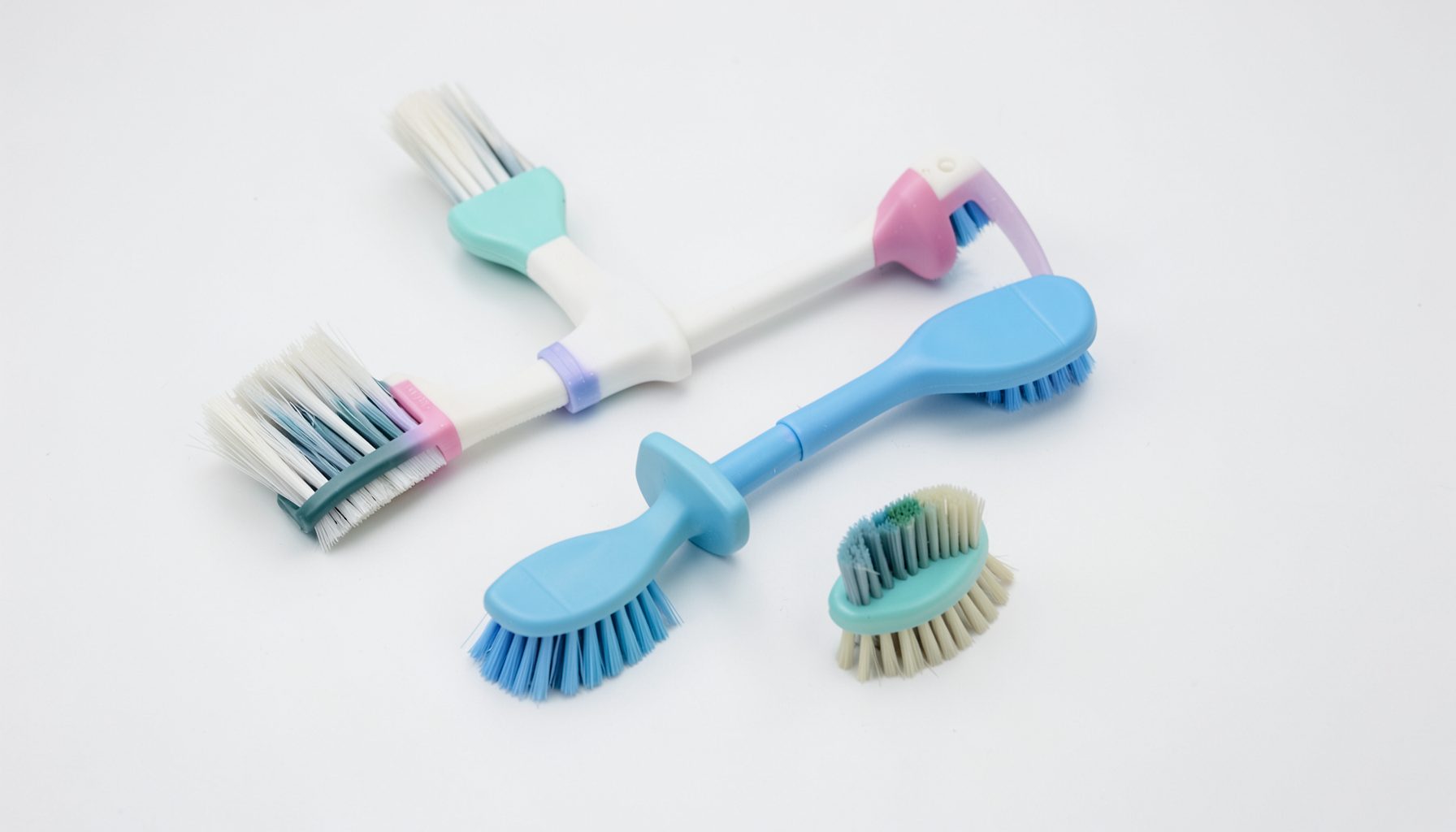
Switch nostrils and repeat. After use, rinse the bottle and let it air dry. Use ResQRinse Premium Cleaning Brushes for thorough cleaning.
Nasal Irrigation With Oxygen Cannulas: A Safer Daily Routine
People who use nasal cannulas for long-term oxygen therapy often experience a dry, blocked, irritated nose. Continuous airflow can make the nasal lining uncomfortable, while seasonal allergies, sinus congestion, dust and smoke may add to the problem. Nasal irrigation can help wash away mucus and airborne particles, but it needs to be fitted carefully around oxygen equipment and used in a hygienic way.
For Australians managing oxygen at home, the best routine is practical and conservative. A GP, respiratory nurse or oxygen supplier can help decide whether saline rinsing is suitable, especially after nasal surgery, during an infection, or when a person has frequent nosebleeds. Irrigation should support prescribed treatment, never replace medical advice or oxygen therapy.
Why Oxygen Can Make the Nose Feel Blocked
A nasal cannula directs oxygen through small prongs positioned just inside the nostrils. The flow can dry the nasal passages, leading to crusting, tenderness, minor bleeding and a sensation of blockage. Some people respond by breathing through the mouth, which can worsen throat dryness and make sleep less comfortable.
In Australia, dry inland air, summer heat and air conditioning can intensify these symptoms. Smoke from bushfires, dust around regional roads and building sites, and pollen in places such as Melbourne, Brisbane and Perth may also irritate the nose. Saline irrigation can loosen thick mucus and rinse away some allergens without adding medicated ingredients.
A squeeze-bottle rinse system may be easier to control than a traditional neti pot for someone who needs regular assistance. ResQRinse products use a Nasal Lock design intended to help create a comfortable seal, although every user should apply only gentle pressure. The aim is a calm flow through the nasal passages, not forceful flushing.
Planning Irrigation Around Your Cannula
Do not rinse while the cannula is in place. Remove it only according to the instructions provided by the oxygen prescriber or respiratory team, and keep the interruption as brief as medically appropriate. People who require continuous oxygen should receive an individual plan before changing the position or timing of their equipment.
A common approach is to irrigate before putting the cannula on for the day, or during a planned hygiene break approved by a clinician. Allow the nose to drain fully, gently blow or dab away excess fluid, and make sure the nostrils and upper lip are dry before replacing the cannula. Avoid placing the prongs into a wet nose if that increases rubbing or discomfort.
Use safe water every time: sterile or distilled water, or tap water that has been boiled and cooled according to health guidance. Mix the correct amount of saline powder rather than making an overly concentrated solution. The ResQRinse FAQs provide product-specific information, but they do not replace advice from an Australian healthcare professional who understands the user’s oxygen prescription.
Before each rinse, check these essentials:
- The bottle, cap and nozzle are clean and completely intact
- The water is sterile, distilled or safely boiled and cooled
- The saline packet is suitable for the device and has not expired
- The oxygen plan allows a short break from the cannula
Using Saline Without Creating New Irritation
Wash your hands, prepare fresh saline and lean over a basin or shower rather than a kitchen bench. Keep the mouth open and breathe through it while the rinse passes through the nose. Apply a slow, gentle squeeze; a strong jet can cause ear pressure, pain or fluid running into the throat.
Never share a nasal irrigation bottle, even within the same household. After use, empty any remaining solution, rinse the parts as directed and let them air-dry. A cleaning brush can help reach internal surfaces, but it should itself be kept clean and replaced when worn. Do not store prepared saline for later unless the product instructions specifically permit it.
Some people use a moisturising nasal mist between irrigation sessions, while others need a clinician-approved nasal gel for persistent dryness. Avoid petroleum jelly, oils and greasy products near oxygen equipment because oxygen-rich environments increase fire risk. Keep the cannula, tubing and concentrator away from flames, cigarettes, gas cooktops and candles.
Medication decisions need the same level of care. A nasal decongestant may be unsuitable for some people with heart or blood-pressure conditions, and medicines prescribed for unrelated concerns should never be treated as congestion remedies. For example, an online sildenafil timing guide cannot replace a pharmacist or GP’s advice about personal medicines, oxygen use or side effects.
Recognising When to Stop
Mild tingling during the first few rinses can occur, particularly when the nasal lining is very dry. Stop if there is sharp pain, marked ear pressure, dizziness, wheezing, worsening shortness of breath or bleeding that does not settle. Do not force fluid through a completely blocked nostril.
A blocked cannula, damaged tubing or sudden change in oxygen delivery is an equipment and medical concern, not a reason to rinse more forcefully. Check the setup as instructed and contact the oxygen provider or healthcare team. Seek urgent help for severe breathing difficulty, blue lips, confusion, chest pain or a rapid deterioration in symptoms.
People with recurrent sinus infections, immune suppression, recent nasal surgery, significant nosebleeds or unusual one-sided blockage should obtain clinical advice before starting. Children and adults who need help with oxygen equipment should be supervised by someone trained in their care.
Pause the routine and seek advice when you notice:
- Repeated nosebleeds or bleeding that is difficult to stop
- Ear pain, pressure or reduced hearing after irrigation
- Fever, facial swelling or severe localised sinus pain
- A change in oxygen saturation or breathing comfort
Making the Routine Work at Home
Consistency matters more than using a large amount of solution. Some people rinse once daily during allergy season, while others use it only when advised for mucus or congestion. A respiratory nurse can help match the frequency to the person’s oxygen flow rate, nasal condition, sleep routine and other treatments.
Keep the rinse system in a clean, dry place, separate from bathroom splash and household chemicals. A travel pouch can be useful for visits to family, holidays or trips between Sydney and regional areas, but water safety still applies away from home. When travelling in remote parts of Australia, plan access to safe water and replacement saline packets rather than relying on an unfamiliar tap.
Cannula comfort also depends on fit. Soft tubing, suitable padding and correct positioning may reduce friction around the ears and nostrils. If the prongs repeatedly rub one side of the nose, ask the oxygen supplier about adjustment rather than compensating with extra irrigation. Online customer experiences, including the ResQRinse testimonials, may offer practical ideas, but individual tolerance varies.
A rinse bottle is a personal-care device, not a substitute for humidification prescribed by a clinician. If dryness remains severe, ask whether the oxygen system needs a compatible humidifier and whether it is appropriate for the prescribed equipment. Never add water or accessories directly to an oxygen setup without professional instructions.
Nasal irrigation can be a useful part of comfort care for people using oxygen through a nasal cannula when it is gentle, clean and carefully timed. Use the right water and saline, protect the equipment from moisture and fire hazards, and keep the respiratory team involved whenever symptoms or oxygen needs change.
Choose a nasal rinse system that is easy to clean and control, follow its instructions, and arrange clinical guidance before beginning if you rely on continuous oxygen. A small, well-planned routine can help manage dryness and congestion while keeping prescribed oxygen therapy at the centre of daily care.