ResQRinse is the nasal irrigation squeeze bottle that eliminates head-tilting and awkward neck positions. Using proprietary Nasal Lock™ technology, it delivers a comfortable, gag-free sinus cleanse — no more saline dripping down your throat.

Relief From Fall Sneezes
Now sold on Walmart.com. Free shipping on orders $30+. Try ResQRinse today with your everyday purchases.
Shop at WalmartWhy ResQRinse?
Nasal rinsing helps relieve congestion from colds, allergies, sinusitis, hay fever, and environmental pollutants. ResQRinse makes it comfortable enough to become a daily habit.
Nasal Lock™ Technology
Isolates sinuses from the throat using natural choanal occlusion — like inflating a balloon — so saline stays where it belongs.
Learn more →
Drug-Free Relief
Uses premixed saline packets with distilled water. No medications, no preservatives — just a natural cleanse for your nasal passages.
How to rinse →
For Kids Too
ResQRinse for Kids features a comfort nasal tip right-sized for smaller nostril openings, making rinsing gentle and easy for children.
Shop kids' version →
Breath-Controlled Flow
You control the saline flow with your own breath pressure — high volume, low pressure irrigation that's comfortable and effective.
Watch how-to videos →
Better Compliance
Designed to overcome the gagging and discomfort that cause people to abandon traditional neti pots and nasal rinse systems.
Our story →
Complete Kits Available
From the basic ResQRinse Nasal Rinse System ($19.99) to 90-day complete kits, saline packets, cleaning brushes, and Sinoptim Nasal Mist.
Browse all products →Get Started with ResQRinse
Ready to experience a better nasal rinse? Fill out the form below and we'll help you find the right product — or follow the simple steps to begin rinsing today.
Request More Information
How to Use ResQRinse
Fill the Bottle
Fill the ResQRinse squeeze bottle with distilled or previously boiled water and add one premixed saline packet.
Position the Tip
Place the comfort tip gently against one nostril. No head-tilting or awkward neck angles needed.
Squeeze & Breathe
Squeeze the bottle gently while breathing through your mouth. Nasal Lock™ keeps saline in your nasal passages and out of your throat.
Repeat & Clean
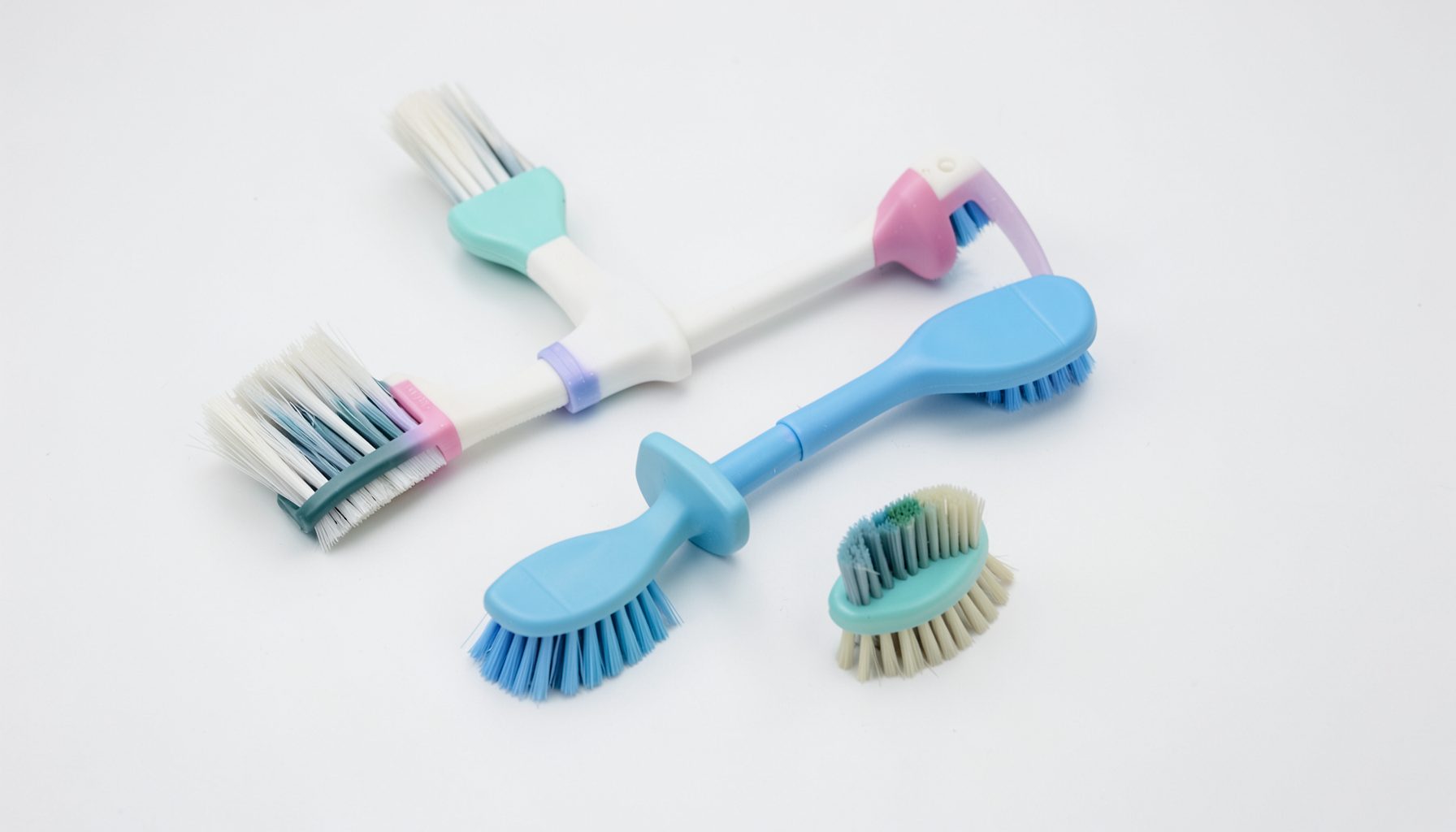
Switch nostrils and repeat. After use, rinse the bottle and let it air dry. Use ResQRinse Premium Cleaning Brushes for thorough cleaning.
Nasal irrigation for CPAP users in Australia
CPAP therapy delivers pressurised air through a mask while you sleep, and a blocked nose can make that air feel harder to breathe through. Nasal congestion, post-nasal drip and allergy symptoms may also disrupt the seal around a nasal or full-face mask. Nasal irrigation with saline can flush mucus and irritants from the nasal passages, helping the airway feel more comfortable before the machine starts.
It is important to separate nasal comfort from sleep-apnoea treatment. A rinse may ease blockage, dryness or a heavy feeling in the face, but it does not correct an obstructed airway or replace prescribed CPAP therapy. Persistent congestion deserves a review from a GP, sleep physician or ear, nose and throat specialist, especially when it changes mask fit or leaves you gasping during the night.
Australian conditions can make this routine especially relevant. Melbourne’s spring grass pollen, Sydney’s summer allergens and storm-driven pollen, bushfire smoke across eastern Australia, and air-conditioned rooms in hot inland areas can all irritate the nasal lining. Air-conditioning cools the room but does not automatically add moisture, so some CPAP users combine a heated humidifier with careful nasal care.
A rinse is simple, yet comfort and hygiene determine whether people continue. Squeeze bottles are often easier to manage than a traditional neti pot, while disposable saline packets remove guesswork from mixing. ResQRinse makes bottles, children’s systems, complete kits, brushes, saline sachets and nasal mist, giving CPAP users several ways to build a routine that suits their household and travel.
Why a blocked nose changes CPAP comfort
CPAP machines condition incoming air, but the humidifier cannot clear mucus or reverse inflammation caused by pollen, smoke or infection. A person may breathe comfortably through the mouth yet remain congested, or notice that the same pressure feels more difficult after a cold. Nasal passages can also swell overnight, changing the position of a nasal mask and causing leaks that disturb both sleep and the machine’s pressure delivery.
Watch the pattern rather than the single symptom. Air escaping around a nasal mask, a dry mouth, morning headache, unusual snoring or louder breathing can all point to poor nasal airflow. A full-face mask may reduce the need to breathe through the nose, but it does not make persistent symptoms harmless. Ask the sleep clinic to reassess the mask, humidifier setting and pressure prescription before assuming the equipment is faulty.
How saline irrigation supports clearer breathing
Saline irrigation works by washing loose mucus, pollen particles and crusts from the nose with a balanced salt solution. The brief flow of liquid may also soothe an irritated nasal lining, while reducing the sensation of blockage that can make CPAP difficult to tolerate. It is most useful when symptoms are mechanical or inflammatory, such as post-nasal drip, seasonal rhinitis or mucus buildup associated with sinusitis.
The effect is usually temporary, so it complements rather than replaces other care. A clinician may recommend a steroid nasal spray for persistent inflammation, or investigate a deviated septum, nasal polyps or chronic sinus disease when simple rinsing is not enough. Saline does not treat sleep apnoea itself, and a medicated nasal mist should not be mixed into a rinse unless its instructions specifically allow it.
Choosing a rinse system that fits
A neti pot relies on gravity and pouring, whereas a squeeze bottle lets the user control the flow with a steady hand. For people who dislike a hard stream or work while travelling, that difference can be important. The Nasal Lock design explains how one of ResQRinse’s squeeze-bottle systems is intended to deliver a controlled rinse with less mess.
Capacity, grip, tube length and ease of cleaning matter more than an elaborate promise. Look for a system that separates the bottle, lid and tube sufficiently for thorough washing, and check whether replacement saline packets are sold in the quantity you need. A compact bottle may suit a bedside table, while a larger complete kit may be better for family use or travel. Children’s versions should still be used with adult supervision.
Extra equipment deserves the same thought. A drying rack helps a bottle drain without touching a bathroom bench, and a soft brush can clean narrow parts. For broader ideas about useful personal technology and gear, Things of Geek offers a practical browse beyond the rinse itself. ResQRinse products are also sold through Walmart and Amazon, so Australian shoppers should compare the total price in Australian dollars, delivery time, replacement-part availability and the seller’s return arrangements.
Fitting irrigation into your CPAP routine
Many users find a rinse before bed helpful: it clears accumulated mucus, then the nasal passages have time to settle before mask placement. Other people rinse after waking, especially when pollen or dust has collected overnight. Either timing can work, provided the nose is not actively bleeding and the machine and mask are handled according to their manufacturers’ instructions. Never add nasal mist or rinse solution to a CPAP humidifier unless the equipment manual specifically permits it.
Keep the technique gentle. Lean over a sink, breathe through the mouth, insert the nozzle only as far as comfortable and allow the solution to drain naturally. Stop if there is pain, forceful bleeding or persistent ringing in the ears. People with ear tubes, recent ear surgery or a history of ear infections should ask their clinician before irrigating. After rinsing, wait until dripping has stopped before applying the mask or starting therapy.
Cleaning, comfort and warning signs
Clean equipment is essential because a rinse bottle can harbour bacteria if water is left inside. Wash the components after each use, rinse away residual salt, and let them air-dry fully in an open, ventilated place. Replace saline packets according to the packet instructions, and never share a bottle or tube. The latest product updates are a useful place to check for revised care guidance and replacement accessories.
Use sterile water or water that has been boiled and cooled according to current public-health advice for nasal-rinse devices. Do not use untreated tank water or make highly concentrated homemade salt solutions. In Australia, a local chemist can advise on ready-made saline products and general nasal care, while a GP can arrange referral when symptoms are ongoing. Public Medicare funding generally focuses on the diagnostic pathway rather than supplying a CPAP machine, while private insurance may help with sleep-study and CPAP costs. Exact subsidies and rental arrangements vary.
Seek prompt medical advice for one-sided blockage, frequent nosebleeds, severe facial pain, fever, pus-coloured discharge or symptoms that continue despite treatment. Loud snoring, witnessed pauses, choking or persistent daytime sleepiness need attention from the sleep team; do not stop CPAP while waiting for a review. Sudden breathing difficulty, chest pain or confusion requires urgent medical care. Nasal irrigation can support comfort, but it should never delay assessment of a more serious problem.
A practical plan for calmer nights
A workable plan is modest and repeatable: check that the humidifier is filled correctly, rinse the nose with clean lukewarm fluid, let the nose settle, refit the mask and then start CPAP. Keep the rinse bottle beside the machine so both steps become part of one routine. Record congestion, leaks and sleep quality for a couple of weeks, then bring those notes to the sleep clinic. A small bedside organiser can keep saline packets, cleaning tools and CPAP accessories together.
When you are ready to compare options, browse the ResQRinse range to find the bottle, packets, cleaning brush, kit or nasal mist that suits your needs, and follow the instructions supplied with each product. Start with one small change, give it several nights, and involve your clinician if symptoms remain troublesome. Clear nasal passages, a secure mask seal and consistent pressure delivery can work together to make the CPAP routine easier to sustain.