ResQRinse is the nasal irrigation squeeze bottle that eliminates head-tilting and awkward neck positions. Using proprietary Nasal Lock™ technology, it delivers a comfortable, gag-free sinus cleanse — no more saline dripping down your throat.

Relief From Fall Sneezes
Now sold on Walmart.com. Free shipping on orders $30+. Try ResQRinse today with your everyday purchases.
Shop at WalmartWhy ResQRinse?
Nasal rinsing helps relieve congestion from colds, allergies, sinusitis, hay fever, and environmental pollutants. ResQRinse makes it comfortable enough to become a daily habit.
Nasal Lock™ Technology
Isolates sinuses from the throat using natural choanal occlusion — like inflating a balloon — so saline stays where it belongs.
Learn more →
Drug-Free Relief
Uses premixed saline packets with distilled water. No medications, no preservatives — just a natural cleanse for your nasal passages.
How to rinse →
For Kids Too
ResQRinse for Kids features a comfort nasal tip right-sized for smaller nostril openings, making rinsing gentle and easy for children.
Shop kids' version →
Breath-Controlled Flow
You control the saline flow with your own breath pressure — high volume, low pressure irrigation that's comfortable and effective.
Watch how-to videos →
Better Compliance
Designed to overcome the gagging and discomfort that cause people to abandon traditional neti pots and nasal rinse systems.
Our story →
Complete Kits Available
From the basic ResQRinse Nasal Rinse System ($19.99) to 90-day complete kits, saline packets, cleaning brushes, and Sinoptim Nasal Mist.
Browse all products →Get Started with ResQRinse
Ready to experience a better nasal rinse? Fill out the form below and we'll help you find the right product — or follow the simple steps to begin rinsing today.
Request More Information
How to Use ResQRinse
Fill the Bottle
Fill the ResQRinse squeeze bottle with distilled or previously boiled water and add one premixed saline packet.
Position the Tip
Place the comfort tip gently against one nostril. No head-tilting or awkward neck angles needed.
Squeeze & Breathe
Squeeze the bottle gently while breathing through your mouth. Nasal Lock™ keeps saline in your nasal passages and out of your throat.
Repeat & Clean
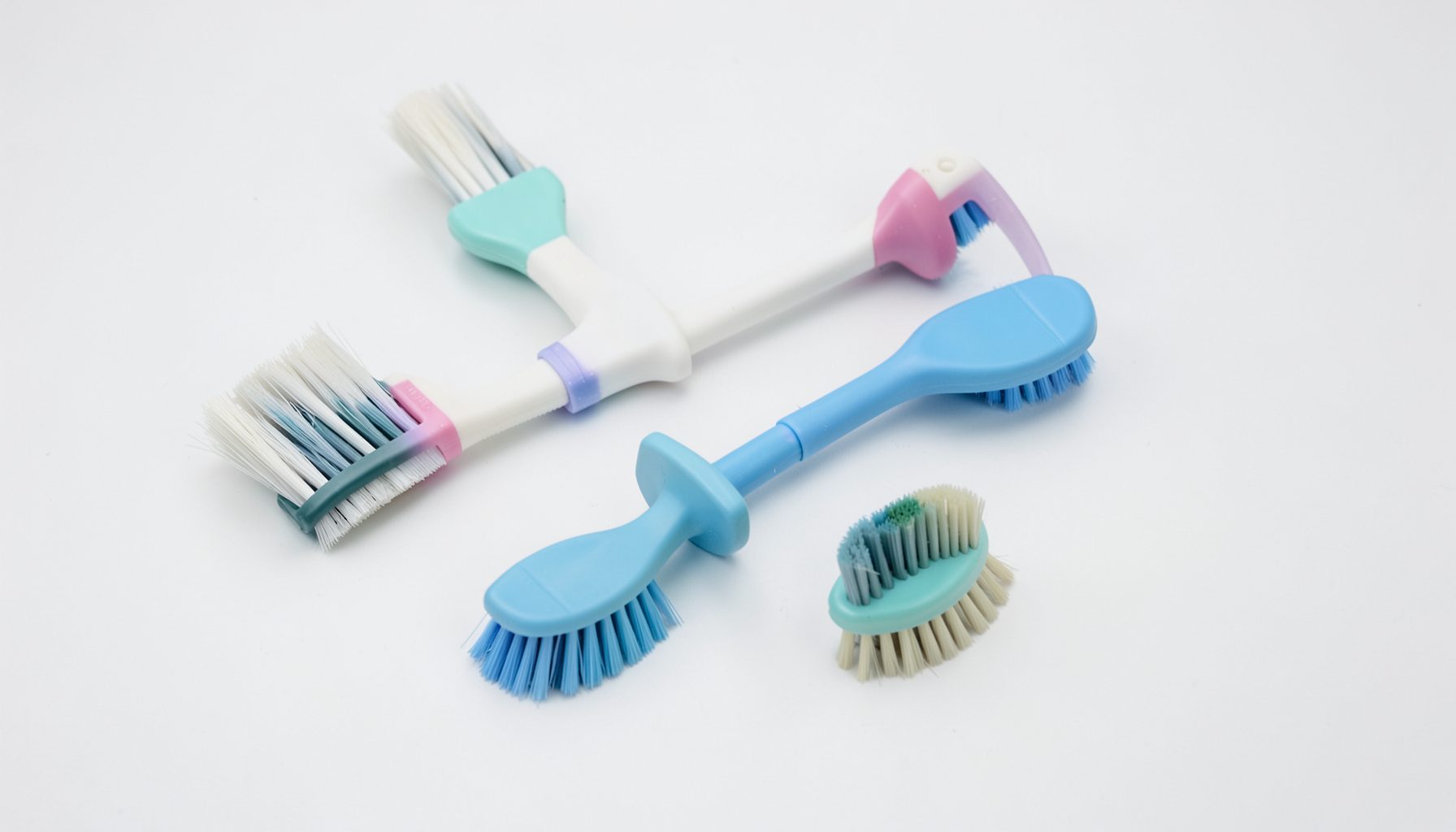
Switch nostrils and repeat. After use, rinse the bottle and let it air dry. Use ResQRinse Premium Cleaning Brushes for thorough cleaning.
Nasal Irrigation for Exercisers Who Get Stuffy Noses After Workouts
A blocked nose after a run, gym session or weekend cycle can make recovery feel harder than it should. Exercise increases airflow through the nasal passages, while sweat, dust, pollen, dry air and changes in temperature may irritate the lining of the nose. Some people also experience exercise-induced rhinitis, where the nose becomes congested or drippy without an infection being present.
A gentle saline rinse can help wash away mucus and airborne irritants after training. For Australian exercisers, the right routine may be especially useful during spring pollen season, humid coastal weather or smoky conditions caused by bushfires. Used correctly, nasal irrigation can become a simple part of post-workout hygiene rather than an occasional response to severe congestion.
Why Exercise Can Leave Your Nose Blocked
During physical activity, you breathe more rapidly and draw a larger volume of air through your nose and mouth. That extra airflow can dry or irritate nasal tissue, particularly during a long run, intense interval session or outdoor ride. The body may respond by producing more mucus, leaving you with a blocked, runny or tickly nose once you slow down.
A sudden change in temperature can have a similar effect. Moving from an air-conditioned gym into warm outdoor air, or exercising on a cold morning, may cause the blood vessels inside the nose to swell. Chlorinated pool air, chalk dust in a weights room and particles from a trail can add to the irritation.
Congestion after exercise is not always a sign of a cold. If you also have fever, facial pain, thick discoloured mucus, wheezing or symptoms that persist for many days, a healthcare professional can help identify the cause. Repeated breathing difficulty during exercise also deserves medical attention rather than being managed only with a nasal rinse.
Triggers That Matter In Australia
Outdoor training conditions vary widely across Australia. A runner in Melbourne may encounter grass pollen on a dry spring morning, while someone exercising around Brisbane or the Gold Coast may contend with high humidity and mould spores. In Sydney, traffic pollution can irritate the nose along busy roads, and dusty paths around Perth or Adelaide may leave fine particles in the nasal passages.
Seasonal allergies are another common trigger. Eucalyptus, grasses and other airborne pollens can affect people training in parks, on ovals and along coastal paths. When hay fever is behind your post-workout stuffiness, this summer hay fever advice explains how saline irrigation may fit into a broader approach to seasonal symptoms.
Smoke requires extra care. During a bushfire period, it is sensible to check local air-quality information and move training indoors or postpone it when conditions are poor. A rinse may remove some particles that have settled in the nose, but it cannot make smoky air safe to breathe or replace a properly fitted mask and public health guidance.
How A Saline Rinse Helps
Nasal irrigation uses a salt-water solution to flush mucus, pollen, dust and other irritants from the nasal passages. The fluid travels through one nostril and out through the other, helping loosen material that may otherwise remain after a workout. It can also add moisture when the nasal lining feels dry or tight.
A squeeze-bottle system gives you control over the flow and pressure, which can be useful when your nose feels congested after training. ResQRinse products use a Nasal Lock design intended to create a comfortable seal around the nostril and help direct the saline solution through the nasal passages with less mess.
The aim is comfortable cleansing, not force. Saline should flow steadily without sharp pressure or pain. If your ears feel blocked, you develop significant discomfort or the solution does not pass through easily, stop and reassess your technique. Severe congestion may need treatment from a pharmacist or doctor before irrigation is comfortable.
When And How To Rinse Safely
Use a saline packet mixed with the correct amount of safe water rather than plain tap water. In Australia, this generally means distilled or sterile water, or tap water that has been boiled and allowed to cool. Follow the instructions supplied with the device, since the correct concentration and volume help prevent burning or stinging.
Many exercisers prefer to rinse after cooling down and showering, when sweat and outdoor particles have been removed from the face. Lean over a sink, breathe through your mouth and keep the bottle opening gently sealed against the nostril. A light squeeze is usually enough; pushing harder does not make the rinse more effective.
Clean the bottle after every use, then allow it to air-dry fully. A cleaning brush can help reach the inside of the container and narrow parts of the system. Replace components according to the manufacturer’s directions, and do not share a nasal irrigation bottle, even with a family member. Children should use an age-appropriate product with supervision.
Choosing A System For Training Days
A squeeze bottle is often practical for people who need a quick nasal wash after a commute, football session or early-morning run. It is compact, easy to refill and simple to use at home after training. A complete kit with saline sachets and cleaning accessories can make the routine easier to maintain because each item is stored together.
Traditional neti pots can work for some users, but they require careful head positioning and a steady pour. A bottle may feel more familiar to an active person who wants to control the speed of the rinse. Nasal mist is another option for light moisture during the day, although it generally does not flush the passages as thoroughly as a full-volume irrigation system.
Consider where you exercise and how often symptoms occur. A cyclist who trains outdoors most days may value spare saline packets and a dedicated cleaning brush. Someone who mainly uses an indoor gym may need only a basic bottle for occasional dryness or congestion. For children involved in swimming, school sport or weekend activities, choose a child-specific system and supervise every use.
Building It Into Recovery
A nasal rinse can sit alongside ordinary recovery habits such as drinking water, changing out of sweaty clothing and washing your face after outdoor exercise. Using it consistently during a predictable allergy season may be more useful than waiting until congestion is severe. Many people find that rinsing in the evening also removes particles collected during the day.
Avoid irrigating immediately after hard exertion if you are breathing heavily or feeling light-headed. Let your heart rate settle first, and postpone the rinse if your nose is actively bleeding. Do not use a saline system as a substitute for prescribed allergy treatment, asthma care or medical advice.
Keep track of patterns for a couple of weeks. Note whether symptoms follow trail running, pool sessions, particular parks, windy days or indoor classes. This can help distinguish pollen exposure from dry air, infection or another cause, and gives your pharmacist or doctor useful information if the congestion continues.
A clean, correctly prepared saline rinse can be a convenient addition to an Australian training routine. ResQRinse systems, saline packets, nasal mist and accessories are available online through Walmart and Amazon, making it easier to keep a suitable option at home or ready for the next workout. Choose the system that matches your activity, follow the water-safety instructions and make gentle nasal care part of your recovery routine.