ResQRinse is the nasal irrigation squeeze bottle that eliminates head-tilting and awkward neck positions. Using proprietary Nasal Lock™ technology, it delivers a comfortable, gag-free sinus cleanse — no more saline dripping down your throat.

Relief From Fall Sneezes
Now sold on Walmart.com. Free shipping on orders $30+. Try ResQRinse today with your everyday purchases.
Shop at WalmartWhy ResQRinse?
Nasal rinsing helps relieve congestion from colds, allergies, sinusitis, hay fever, and environmental pollutants. ResQRinse makes it comfortable enough to become a daily habit.
Nasal Lock™ Technology
Isolates sinuses from the throat using natural choanal occlusion — like inflating a balloon — so saline stays where it belongs.
Learn more →
Drug-Free Relief
Uses premixed saline packets with distilled water. No medications, no preservatives — just a natural cleanse for your nasal passages.
How to rinse →
For Kids Too
ResQRinse for Kids features a comfort nasal tip right-sized for smaller nostril openings, making rinsing gentle and easy for children.
Shop kids' version →
Breath-Controlled Flow
You control the saline flow with your own breath pressure — high volume, low pressure irrigation that's comfortable and effective.
Watch how-to videos →
Better Compliance
Designed to overcome the gagging and discomfort that cause people to abandon traditional neti pots and nasal rinse systems.
Our story →
Complete Kits Available
From the basic ResQRinse Nasal Rinse System ($19.99) to 90-day complete kits, saline packets, cleaning brushes, and Sinoptim Nasal Mist.
Browse all products →Get Started with ResQRinse
Ready to experience a better nasal rinse? Fill out the form below and we'll help you find the right product — or follow the simple steps to begin rinsing today.
Request More Information
How to Use ResQRinse
Fill the Bottle
Fill the ResQRinse squeeze bottle with distilled or previously boiled water and add one premixed saline packet.
Position the Tip
Place the comfort tip gently against one nostril. No head-tilting or awkward neck angles needed.
Squeeze & Breathe
Squeeze the bottle gently while breathing through your mouth. Nasal Lock™ keeps saline in your nasal passages and out of your throat.
Repeat & Clean
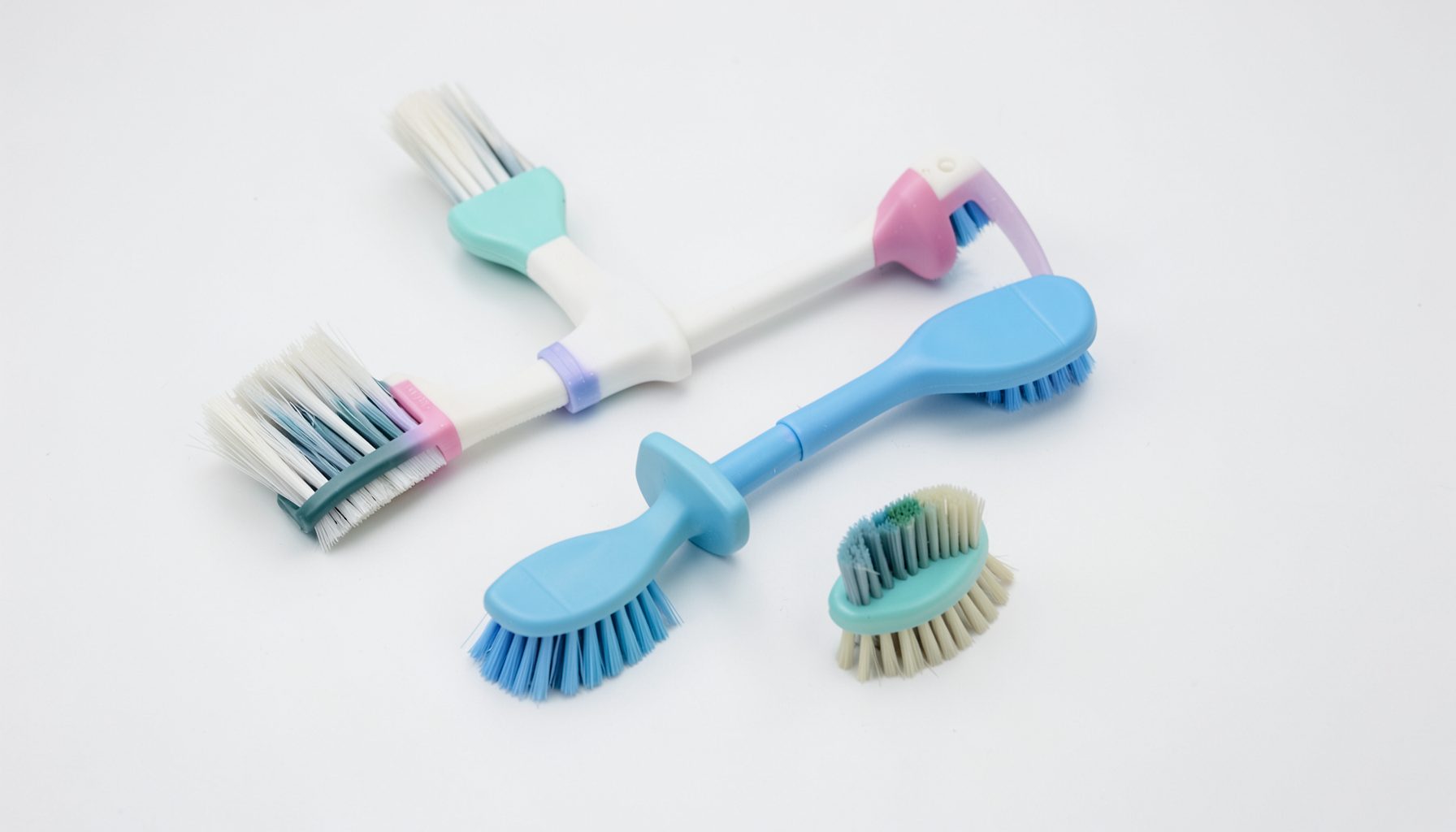
Switch nostrils and repeat. After use, rinse the bottle and let it air dry. Use ResQRinse Premium Cleaning Brushes for thorough cleaning.
How to Use a Nasal Rinse Kit With a Cold or Nose Sore
A nasal rinse can wash away mucus, allergens and irritants when a cold has left your nose blocked. However, a cold sore on the lip, a cracked nostril and a sore inside the nose need a little extra care. The aim is to relieve congestion without rubbing, soaking or contaminating an irritated area.
Cold sores are usually caused by the herpes simplex virus and commonly appear around the lips, although a lesion can develop near the nostril. A “nose sore” may also be dry, chafed skin, a small cut, an inflamed hair follicle or a bacterial infection. The safest way to use a nasal irrigation kit depends on the location and condition of the sore.
This guide explains when to rinse, how to prepare saline safely and how to clean a squeeze bottle afterwards. It is general health information, not a diagnosis. If the sore is severe, spreading or not healing, speak with a pharmacist or doctor in Australia before irrigating.
Check What Kind Of Sore You Have
A cold sore on the outer lip usually does not prevent nasal irrigation. You can rinse if you feel well enough, provided the bottle nozzle does not touch the blister or surrounding skin. Keep the equipment away from the lesion because fluid, hands and the nozzle can transfer germs between surfaces.
A sore just inside the nostril requires more caution. Do not force the nozzle past the tender area, press it against a scab or use strong pressure to push saline through. Stop if the rinse causes sharp pain, fresh bleeding or pronounced burning. A dry, cracked nose may benefit from gentle humidity, but an infected sore may need medical treatment rather than repeated flushing.
Decide Whether Today Is The Right Day
Postpone nasal irrigation during an active nosebleed, after nasal surgery unless your clinician has approved it, or when one side is completely blocked. Severe earache, a feeling of fluid in the ears, facial swelling, high fever or intense sinus pain also warrants professional advice. Children should use a suitable paediatric product with adult supervision.
People with weakened immunity, significant facial skin infection or recurrent sores should ask a GP or pharmacist first. In Australia, pharmacists at local pharmacies can often assess a minor cold sore or nasal irritation and advise whether home care is appropriate. Seek urgent care if redness spreads towards the eye, the eye becomes painful, or you develop difficulty breathing or swallowing.
Prepare Safe Saline And Water
Wash your hands, then make the rinse using the sachet and the volume of water stated in the product instructions. Use sterile or distilled water, or tap water that has been boiled and cooled. Australian tap water is treated, but it should still be boiled and cooled for nasal irrigation unless the manufacturer or a healthcare professional clearly advises otherwise. Never use untreated rainwater, dam water, pool water or ordinary bottled drinking water unless it is labelled sterile or suitable for nasal use.
Do not improvise with a concentrated mixture of table salt. Too much salt can sting damaged tissue, while too little can feel irritating and increase swelling. Pre-measured saline packets are convenient for busy households and help maintain the correct concentration. If a prepared solution looks cloudy, has been stored too long or contains particles, discard it and make a fresh batch.
Use Gentle Technique Around A Lesion
Lean over a sink and tilt your head slightly forward and to the side, keeping your mouth open so you can breathe. Place the clean nozzle at the nostril entrance without pushing it into a sore. If the design creates a seal, use only light contact around the opening. Products with Nasal Lock technology are designed to support a controlled fit, but the seal should never be made by pressing painfully against broken skin.
Squeeze slowly so the saline flows through the nasal passage and out of the other nostril or mouth. Do not force the bottle when the passage feels sealed. Use less pressure around a scabbed or tender nostril, and stop if the lesion starts bleeding. Let the nose drain naturally, then blow gently one side at a time rather than blowing hard through both nostrils.
Keep A Cold Sore From Spreading
A cold sore can spread through contact with saliva, fluid from the blister or contaminated hands. Wash your hands before handling the kit and again after touching your face. Do not share the bottle with family members, even if everyone has cold symptoms. Give children their own clearly labelled device and keep it out of reach between uses.
Rinse the bottle and nozzle according to the manufacturer’s instructions, wash removable parts with clean water and allow everything to air-dry fully. Replace parts when they become cracked, cloudy or difficult to clean. Avoid wiping the nozzle on a towel used by other household members. If the bottle touches a weeping lesion, clean it promptly and follow the product’s care instructions before using it again.
Support Healing After Irrigation
After rinsing, pat the outside of the nose dry with a clean, soft towel. Avoid picking scabs, scratching a blister or applying strong antiseptics inside the nostril. Fragrance-free cleansing can be kinder to irritated skin; this gentle cleansing guide offers useful background on reducing irritation during everyday washing.
A humidifier may help when indoor heating or air conditioning dries the nose, but it must be cleaned carefully. In Australia, hot, dry weather in Adelaide or inland New South Wales can worsen crusting, while winter heating in Melbourne or Canberra may leave nasal tissue dry. During bushfire smoke or dusty conditions, stay indoors where possible, use approved air filtration and rinse only when the nasal lining is comfortable enough to tolerate it.
Know When To Get Medical Advice
Arrange a medical review if the sore lasts longer than expected, repeatedly returns, produces pus, develops a yellow crust or becomes increasingly painful. A sore at the nostril entrance can be nasal vestibulitis, while a blister on the lip may need antiviral advice, particularly when treatment starts early. A pharmacist can recommend suitable over-the-counter options, but avoid putting lip cold-sore cream deep inside the nose unless the label or a clinician specifically says it is safe.
Australian consumers should follow the directions and warnings on the packaging and check that a therapeutic product is legally supplied for its stated purpose. The Therapeutic Goods Administration regulates therapeutic goods in Australia, although the regulatory status of a nasal rinse kit can vary according to its ingredients and claims. When buying through Amazon Australia, a pharmacy or another online seller, check the supplier, instructions, expiry date and included saline packets rather than choosing only by price. You can also review customer experiences while remembering that testimonials cannot replace individual medical advice.
A nasal rinse may make a congested cold more manageable, but it should never be a test of endurance. Use sterile or correctly prepared water, gentle pressure and clean equipment; stop if the sore worsens. If you are unsure whether the lesion is a cold sore, cracked skin or an infection, ask an Australian pharmacist or GP before continuing. Choose a suitable ResQRinse kit, follow its instructions carefully and make safe nasal care part of your recovery routine.