ResQRinse is the nasal irrigation squeeze bottle that eliminates head-tilting and awkward neck positions. Using proprietary Nasal Lock™ technology, it delivers a comfortable, gag-free sinus cleanse — no more saline dripping down your throat.

Relief From Fall Sneezes
Now sold on Walmart.com. Free shipping on orders $30+. Try ResQRinse today with your everyday purchases.
Shop at WalmartWhy ResQRinse?
Nasal rinsing helps relieve congestion from colds, allergies, sinusitis, hay fever, and environmental pollutants. ResQRinse makes it comfortable enough to become a daily habit.
Nasal Lock™ Technology
Isolates sinuses from the throat using natural choanal occlusion — like inflating a balloon — so saline stays where it belongs.
Learn more →
Drug-Free Relief
Uses premixed saline packets with distilled water. No medications, no preservatives — just a natural cleanse for your nasal passages.
How to rinse →
For Kids Too
ResQRinse for Kids features a comfort nasal tip right-sized for smaller nostril openings, making rinsing gentle and easy for children.
Shop kids' version →
Breath-Controlled Flow
You control the saline flow with your own breath pressure — high volume, low pressure irrigation that's comfortable and effective.
Watch how-to videos →
Better Compliance
Designed to overcome the gagging and discomfort that cause people to abandon traditional neti pots and nasal rinse systems.
Our story →
Complete Kits Available
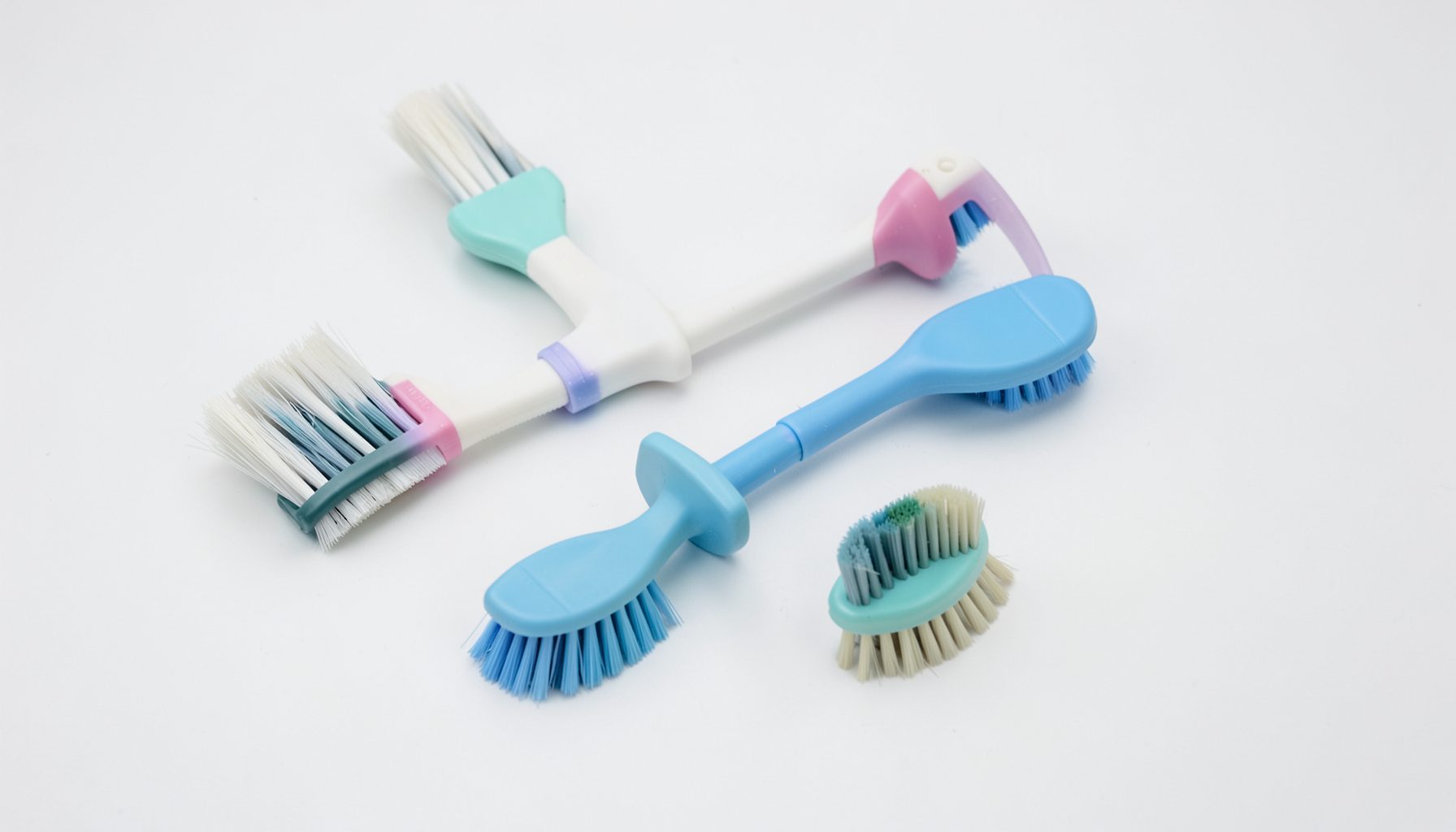
From the basic ResQRinse Nasal Rinse System ($19.99) to 90-day complete kits, saline packets, cleaning brushes, and Sinoptim Nasal Mist.
Browse all products →Get Started with ResQRinse
Ready to experience a better nasal rinse? Fill out the form below and we'll help you find the right product — or follow the simple steps to begin rinsing today.
Request More Information
How to Use ResQRinse
Fill the Bottle
Fill the ResQRinse squeeze bottle with distilled or previously boiled water and add one premixed saline packet.
Position the Tip
Place the comfort tip gently against one nostril. No head-tilting or awkward neck angles needed.
Squeeze & Breathe
Squeeze the bottle gently while breathing through your mouth. Nasal Lock™ keeps saline in your nasal passages and out of your throat.
Repeat & Clean
Switch nostrils and repeat. After use, rinse the bottle and let it air dry. Use ResQRinse Premium Cleaning Brushes for thorough cleaning.
Using a Nasal Rinse Kit Safely When You Have Chronic Nosebleeds
Chronic nosebleeds make even simple routines feel risky. The dry westerlies through Adelaide, the furnace heat of a Pilbara summer, or the crisp winter air in Canberra all strip moisture from the nasal lining, leaving fragile capillaries exposed. Australians who have dealt with repeated epistaxis often worry that introducing water could trigger another bleed.
Careful, low-pressure nasal irrigation can support healing by clearing crusts and irritants that inflame the mucosa. The challenge lies in technique. A rinse that is too forceful, too salty, or too hot can aggravate the tissue you are trying to soothe. For anyone managing chronic bleeding, the routine matters more than the brand.
ResQRinse built its squeeze-bottle system with Nasal Lock technology to address these concerns. The valve controls flow so saline reaches every corner of the cavity without forcing the user to blow hard or tip their head awkwardly. Each kit includes pre-measured saline packets, a soft-tip applicator, and a cleaning brush.
Used thoughtfully, a nasal rinse becomes a daily habit rather than a medical event. The guidance below covers preparation, technique, solution strength, and aftercare, along with when to pause and when to see a GP.
Why Chronic Nosebleeds Change the Rinsing Equation
The mucosal lining inside the nose is paper-thin, laced with tiny vessels sitting just beneath the surface. When they dry out, crack, or get knocked by a fingernail, they bleed. People in Perth or Mildura feel this acutely because indoor heating in winter and ceiling fans in summer reduce humidity to uncomfortable levels.
Recurrent bleeders usually have contributing factors: crusting from allergic rhinitis, scarring from cautery, blood-thinning medication, or conditions such as hereditary haemorrhagic telangiectasia. Each makes the lining more delicate than average. Standard advice still applies, but the margin for error shrinks.
A squeeze-bottle system offers more control than a neti pot, which relies on gravity. Gravity-fed flow can feel unpredictable for someone prone to bleeding, especially when saline is lukewarm and the user is concentrating on keeping the chin tucked. Pressure-controlled bottles let you feel saline moving, then stop the moment the sensation changes. That feedback is the difference between a calming rinse and a dash for tissues.
Choosing the Right Equipment and Solution
Sterile or distilled water is non-negotiable. Tap water in major Australian cities is safe to drink but contains organisms the gut handles easily and the nose does not. Boiling tap water for three to five minutes, then cooling, is the simplest workaround when distilled water is not on hand. A 0.2-micron absolute filter meets the Therapeutic Goods Administration standard for nasal rinsing devices.
Saline concentration is the next decision. Isotonic solutions match the body's own fluid saltiness and generally feel the gentlest. Hypertonic packets pull more fluid out of swollen tissue and can sting along compromised mucosa, so they are best avoided until the nose has been stable for weeks. Pre-measured sachets from a complete kit remove the guesswork. Patients at the Royal Adelaide Hospital's ENT clinic often start with half-strength isotonic sachets when the lining is raw, building up as tissue recovers.
ResQRinse's squeeze bottle fits in one hand, and the soft tip reduces the chance of scraping the septum. Keep a cleaning brush by the sink so the valve stays free of dried salt. A labelled caddy keeps the device separated from toothbrushes when the bathroom is shared.
A Gentle Step-by-Step Rinse
Lean forward over a sink until the forehead is roughly parallel to the basin. The chin should sit slightly lower than the forehead so saline flows out the nearer nostril rather than down the throat. Breathe steadily through the mouth throughout.
Press the bottle against one nostril, sealing the opening without forcing the tip inside. Begin a slow, steady squeeze. The saline should travel across the septum and exit the opposite nostril within seconds. If stinging or pinching appears, release the pressure and pause. People prone to bleeding often feel a faint tingling before any visible blood, and that signal is your cue to back off.
After roughly half the bottle has been used on one side, switch nostrils. Never tilt the head back, as this lets saline pool in the sinuses and can promote post-nasal irritation. When finished, blow the nose very gently into a soft tissue. Pinching both nostrils and exhaling through the mouth sometimes clears residual droplets without any blowing at all.
Saline Strength, Temperature, and Water Quality
Temperature matters more than most realise. Saline hot enough to feel warm in the hand will feel scalding inside the nose. Aim for lukewarm, between 32 and 36 degrees, roughly skin temperature. Cold saline can trigger dizziness in sensitive users, particularly older adults.
Concentration determines whether the rinse hydrates or dries the tissue. A 0.9% isotonic solution mirrors the body's salt balance and supports the moisture barrier. Anything stronger draws water out of the mucosa, feeling clearing at the moment but leaving the lining drier an hour later. For chronic bleeders, drier tissue a few hours after a rinse is a warning sign.
Water quality stays the foundation. Households on tank water in rural Tasmania or the Top End should treat it first, either by boiling, filtering, or buying distilled bottles from Chemist Warehouse. Hard bore water leaves residue in the bottle and roughens the lining, so an extra rinse of the device with cooled, boiled water at the end of each session keeps things in order.
Aftercare and Rebuilding the Nasal Lining
Once the rinse finishes, recovery begins. Pat the nostrils gently with a soft cloth rather than rubbing. Resist cotton buds or twisted tissues inside the nose, both of which reopen healing capillaries. A thin layer of preservative-free ointment applied with a clean fingertip just inside each nostril locks in moisture against overnight dryness, particularly during the dry winter months in Ballarat or Bendigo.
Humidifiers make a real difference for chronic bleeders. A cool-mist humidifier running in the bedroom from May through September in southern Australia, or year-round in arid zones, keeps ambient humidity above 40%. A bowl of water on the radiator is a low-tech alternative in older houses without modern climate control.
Schedule rinsing for a consistent time each day. Many Australian ENT specialists suggest a morning rinse twenty minutes before the first coffee or brekkie, then a second in the early evening. This clears overnight crusting without leaving the lining damp during sleep, and helps with seasonal allergens such as rye grass pollen across Melbourne in spring, or the dust storms that drift across inland NSW during a dry summer.
When to Pause and When to See a GP
A rinse should never produce fresh blood. If even a tinge of pink appears in the saline or on the tissue afterwards, stop and re-evaluate. Pressure, concentration, water temperature, or technique may need adjusting. Most minor bleeding settles within five to ten minutes when the head tilts slightly forward and soft pressure is applied just below the bridge of the nose.
Pause rinsing entirely during active infection, after recent nasal surgery, or while on high-dose anticoagulants. People with granulomatosis or immune thrombocytopenia should clear irrigation with their specialist first. A bleed lasting longer than twenty minutes, or one recurring more than four times in a fortnight, needs medical review, particularly after a head injury or a new medication.
Australians can book a longer GP consultation under a standard Medicare appointment, or arrange a telehealth review through services listed on the latest product news page. Pharmacists at Priceline or TerryWhite Chemmart can advise on adjunct products such as daytime saline sprays, prescription barrier creams, or referral pathways when home care is not enough.
Looking after a nose prone to bleeding is a long game, and a dependable rinse system makes the daily work feel manageable. Browse the full range of kits, refills, and accessories at ResQRinse and treat yourself or a family member to gentler mornings and clearer afternoons. For readers interested in broader wellness routines, Cheffy BD offers a quiet corner of the internet worth a visit. Start with one gentle rinse tonight, log how the lining responds over the coming week, and adjust with confidence.