ResQRinse is the nasal irrigation squeeze bottle that eliminates head-tilting and awkward neck positions. Using proprietary Nasal Lock™ technology, it delivers a comfortable, gag-free sinus cleanse — no more saline dripping down your throat.

Relief From Fall Sneezes
Now sold on Walmart.com. Free shipping on orders $30+. Try ResQRinse today with your everyday purchases.
Shop at WalmartWhy ResQRinse?
Nasal rinsing helps relieve congestion from colds, allergies, sinusitis, hay fever, and environmental pollutants. ResQRinse makes it comfortable enough to become a daily habit.
Nasal Lock™ Technology
Isolates sinuses from the throat using natural choanal occlusion — like inflating a balloon — so saline stays where it belongs.
Learn more →
Drug-Free Relief
Uses premixed saline packets with distilled water. No medications, no preservatives — just a natural cleanse for your nasal passages.
How to rinse →
For Kids Too
ResQRinse for Kids features a comfort nasal tip right-sized for smaller nostril openings, making rinsing gentle and easy for children.
Shop kids' version →
Breath-Controlled Flow
You control the saline flow with your own breath pressure — high volume, low pressure irrigation that's comfortable and effective.
Watch how-to videos →
Better Compliance
Designed to overcome the gagging and discomfort that cause people to abandon traditional neti pots and nasal rinse systems.
Our story →
Complete Kits Available
From the basic ResQRinse Nasal Rinse System ($19.99) to 90-day complete kits, saline packets, cleaning brushes, and Sinoptim Nasal Mist.
Browse all products →Get Started with ResQRinse
Ready to experience a better nasal rinse? Fill out the form below and we'll help you find the right product — or follow the simple steps to begin rinsing today.
Request More Information
How to Use ResQRinse
Fill the Bottle
Fill the ResQRinse squeeze bottle with distilled or previously boiled water and add one premixed saline packet.
Position the Tip
Place the comfort tip gently against one nostril. No head-tilting or awkward neck angles needed.
Squeeze & Breathe
Squeeze the bottle gently while breathing through your mouth. Nasal Lock™ keeps saline in your nasal passages and out of your throat.
Repeat & Clean
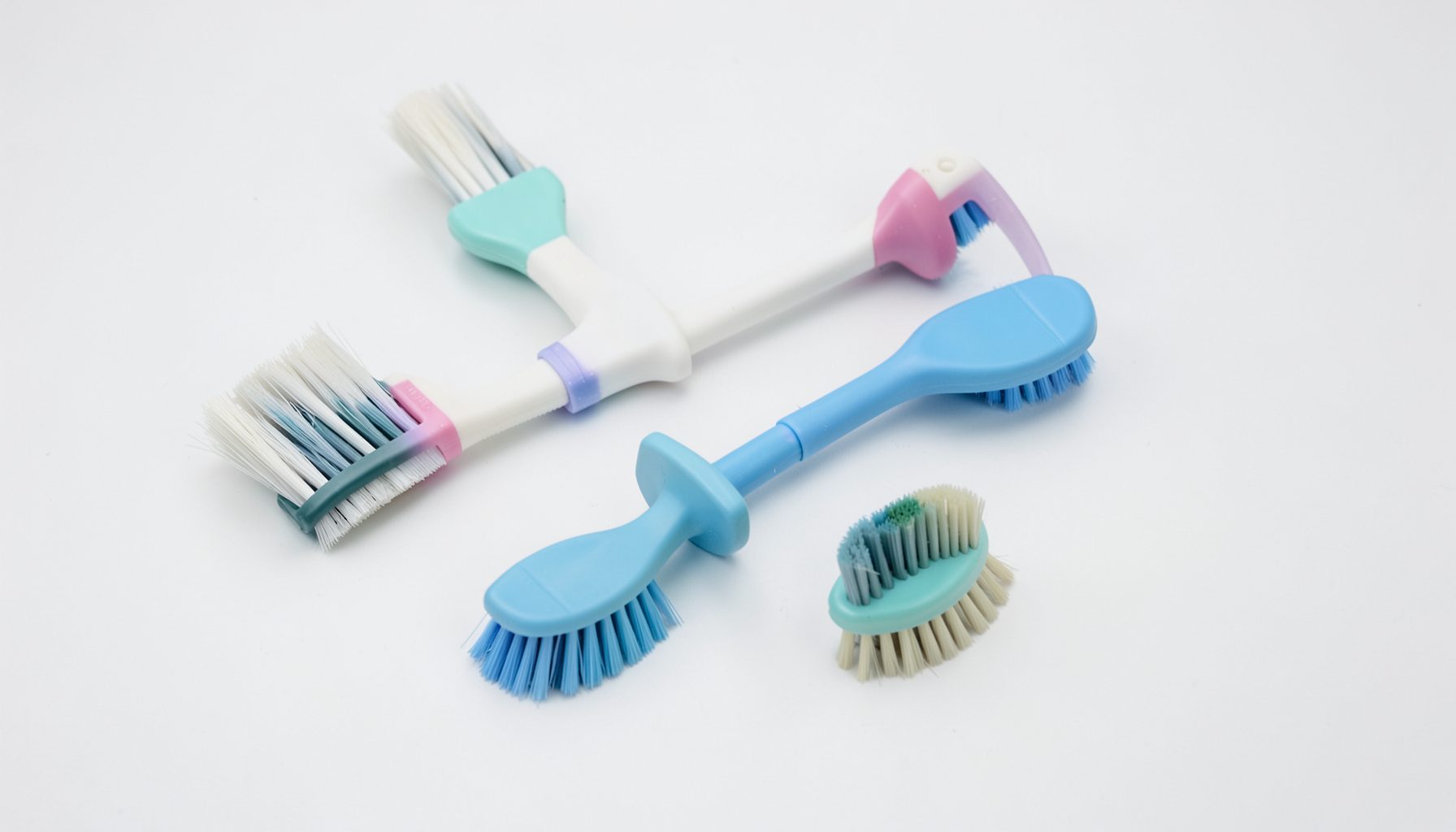
Switch nostrils and repeat. After use, rinse the bottle and let it air dry. Use ResQRinse Premium Cleaning Brushes for thorough cleaning.
Layering Saline Mist and a Nasal Rinse for Lasting Hydration
When the inside of your nose feels parched, scratchy, or crusted over, a single spritz of saline often isn't enough to restore comfort. Many Australians who live through long stretches of dry inland heat, air-conditioned offices, or spring pollen surges in cities like Melbourne and Canberra have found that pairing a fine saline mist with a fuller nasal rinse leaves the sinuses genuinely soothed rather than just temporarily damp. The idea is straightforward: the mist loosens debris and pre-hydrates delicate tissue, and the rinse that follows washes everything away in one calm motion.
The technique borrows from the way dermatologists think about skin prep. Just as a moisturiser sinks in better after a light misting, the nasal mucosa absorbs isotonic solution more evenly once the surface has already been wetted. People with hay fever, dust sensitivity, or chronic sinus pressure often notice that a quick spray alone leaves residue behind, while a rinse alone can feel harsh on inflamed passages.
In Australia, where pollen counts in rural Victoria and parts of Tasmania climb sharply between September and November, layering is particularly useful first thing in the morning before stepping out for the arvo walk. It also helps during summer heatwaves in Adelaide or Perth, when air-conditioning strips moisture from indoor air for hours at a stretch.
This guide walks through what each step does, when to use it, how to handle the gear hygienically, and where to source supplies locally. It also covers common missteps, including timing and water temperature, that can turn a soothing routine into an uncomfortable one.
Why a Two-Step Approach Works
Saline mist and a saline rinse do related but distinct jobs. The mist is an aerosol of tiny droplets that settles broadly across the vestibule and front of the nasal cavity, coating the mucous membranes like dew. A rinse pushes a larger volume of liquid through the entire passage, reaching the deeper turbinates and the back of the throat where mucus tends to pool.
When the mist goes first, it softens dried crusts and loosens pollen grains, dust mite residue, and other allergens stuck to the lining. The rinse that follows then carries that loosened material out through the opposite nostril or down the throat, leaving the cavity cleaner than either step could manage alone. There is also a comfort angle: the mist acts like a primer, reducing the sharp sensation that can come from squeezing a full rinse into already irritated tissue.
When Australian Conditions Make This Routine Useful
Australia throws a few specific challenges at the sinuses. Spring thunderstorm asthma events in Melbourne, the wattle pollen wave that sweeps the eastern states, and the dust carried on dry summer winds across the Riverina all leave their mark on the upper airways. Even people who live near the coast in Sydney or Brisbane deal with salt air that can dry out the front of the nose during windy days.
Air-conditioning is another factor worth naming. Offices in CBD towers from Perth to Brisbane tend to run cold and dry for eight hours a day, and the same applies to many newer homes built with sealed insulation. People who commute on the Sydney or Melbourne train networks often find their nasal lining parched by evening, which is when a quick spray alone stops feeling like enough.
Choosing the Right Mist Before You Rinse
Not every saline spray is suited as a primer for a rinse. The best options are isotonic, preservative-free, and dispensed as a fine mist rather than a coarse jet. A pure sodium chloride solution at 0.9 percent mirrors the body's own salinity, which means it won't sting when it hits inflamed tissue. Preservative-free formulas also reduce irritation with daily use.
Bottles vary in droplet size, and that matters more than people realise. A truly fine mist settles across a wide area, while a stream tends to pool in one spot and run straight back down the throat. Small, recyclable bottles that fit into a handbag or work backpack suit commuters who want to use the spray at the station and complete the rinse once they reach home.
Preparing for the Rinse Step
Before reaching for the rinse bottle, a few small preparations make the whole process more comfortable. The saline solution should be mixed fresh, using either pre-measured sachets or a clean measuring spoon, and dissolved in lukewarm water that has been previously boiled or filtered. Cold water can cause a brief headache-like sensation, while water that's too warm can scald the delicate lining.
A short checklist helps keep things consistent from one session to the next:
- A clean squeeze bottle in good condition, with no cloudiness or stale smell
- Freshly mixed isotonic solution at body temperature
- A soft cloth or paper towel for patting the face dry afterwards
- A few minutes set aside without rushing off to the next task
Position matters as well. Standing over a sink with the head tilted slightly forward and the mouth open allows the solution to flow through one nostril and exit the other without pooling in the throat.
Step-by-Step Method at the Sink
A relaxed, unhurried approach makes the routine feel almost meditative once it becomes familiar. The first step is a gentle blow of the nose to clear loose mucus, followed by two or three sprays of mist into each nostril while standing upright. Waiting around thirty seconds lets the mist settle and start softening any dried material.
Then comes the rinse. With the bottle filled to the recommended line and the tip seated snugly against one nostril, a slow steady squeeze sends the solution up and across. Breathing through the mouth keeps the soft palate closed and prevents the liquid from entering the throat. The flow exits the opposite nostril into the sink, taking debris with it. After the first half-bottle is used, the process is repeated on the other side. A final gentle blow clears any remaining liquid, and the face is patted dry.
A few practical points worth remembering during the actual rinse:
- Keep the bottle upright so the solution stays in contact with the mixing chamber
- Breathe calmly through the mouth, releasing pressure on the bottle if a pause is needed
- Switch sides halfway through so neither nostril receives too much volume
- Avoid forceful squeezing, which can push solution toward the ears
Common Mistakes and How to Avoid Them
The most frequent error is rushing the mist step. One quick spray rarely pre-hydrates the tissue enough, and jumping straight to the rinse can feel abrasive. Spending a few extra seconds on the priming spray pays back in comfort, especially during peak pollen weeks in Melbourne or Canberra.
Another common slip is using tap water straight from the tap without boiling or filtering it first. Australian mains water is generally safe to drink, but the nasal passages are more delicate than the gut, and authorities recommend previously boiled, distilled, or filtered water for any sinus rinse. Bottled water from the supermarket is also acceptable for those without easy access to a kettle.
People also reuse the same bottle for too long. Most manufacturers suggest replacing squeeze bottles every three to six months, especially with daily use. Brushes designed for cleaning the inside of the bottle should be run through after each session and replaced when the bristles fray.
Caring for Your Equipment Between Uses
Hygiene keeps the routine safe and effective. After each rinse, the bottle should be flushed with clean water, then partially filled, shaken, and emptied again. Leaving the bottle open and upside down on a clean paper towel allows it to air-dry fully. Caps and tips should be washed separately and dried in the same way.
Once a week, a deeper clean using a few drops of dishwashing liquid or a sterilising solution designed for baby bottles helps remove any biofilm that might be forming inside. The dedicated cleaning brush bundled with most kits is the easiest way to reach the base of the bottle and around the valve. For anyone curious about the science behind the design, the About Res-Q Rinse page has a straightforward overview of how the Nasal Lock technology works.
Storage matters too. Bathrooms in older Australian homes can be humid, especially in coastal Queensland or northern NSW, and that environment encourages mould on damp equipment. Keeping the bottle in a bedroom cupboard rather than next to the shower extends its life and keeps things fresher.
Ready to give layered hydration a go? Pick up a starter kit through the Res-Q Rinse online store, or grab one from the chemist aisle at Chemist Warehouse or Priceline, and try the spray-then-rinse method on the next high-pollen morning to feel the difference for yourself.