ResQRinse is the nasal irrigation squeeze bottle that eliminates head-tilting and awkward neck positions. Using proprietary Nasal Lock™ technology, it delivers a comfortable, gag-free sinus cleanse — no more saline dripping down your throat.

Relief From Fall Sneezes
Now sold on Walmart.com. Free shipping on orders $30+. Try ResQRinse today with your everyday purchases.
Shop at WalmartWhy ResQRinse?
Nasal rinsing helps relieve congestion from colds, allergies, sinusitis, hay fever, and environmental pollutants. ResQRinse makes it comfortable enough to become a daily habit.
Nasal Lock™ Technology
Isolates sinuses from the throat using natural choanal occlusion — like inflating a balloon — so saline stays where it belongs.
Learn more →
Drug-Free Relief
Uses premixed saline packets with distilled water. No medications, no preservatives — just a natural cleanse for your nasal passages.
How to rinse →
For Kids Too
ResQRinse for Kids features a comfort nasal tip right-sized for smaller nostril openings, making rinsing gentle and easy for children.
Shop kids' version →
Breath-Controlled Flow
You control the saline flow with your own breath pressure — high volume, low pressure irrigation that's comfortable and effective.
Watch how-to videos →
Better Compliance
Designed to overcome the gagging and discomfort that cause people to abandon traditional neti pots and nasal rinse systems.
Our story →
Complete Kits Available
From the basic ResQRinse Nasal Rinse System ($19.99) to 90-day complete kits, saline packets, cleaning brushes, and Sinoptim Nasal Mist.
Browse all products →Get Started with ResQRinse
Ready to experience a better nasal rinse? Fill out the form below and we'll help you find the right product — or follow the simple steps to begin rinsing today.
Request More Information
How to Use ResQRinse
Fill the Bottle
Fill the ResQRinse squeeze bottle with distilled or previously boiled water and add one premixed saline packet.
Position the Tip
Place the comfort tip gently against one nostril. No head-tilting or awkward neck angles needed.
Squeeze & Breathe
Squeeze the bottle gently while breathing through your mouth. Nasal Lock™ keeps saline in your nasal passages and out of your throat.
Repeat & Clean
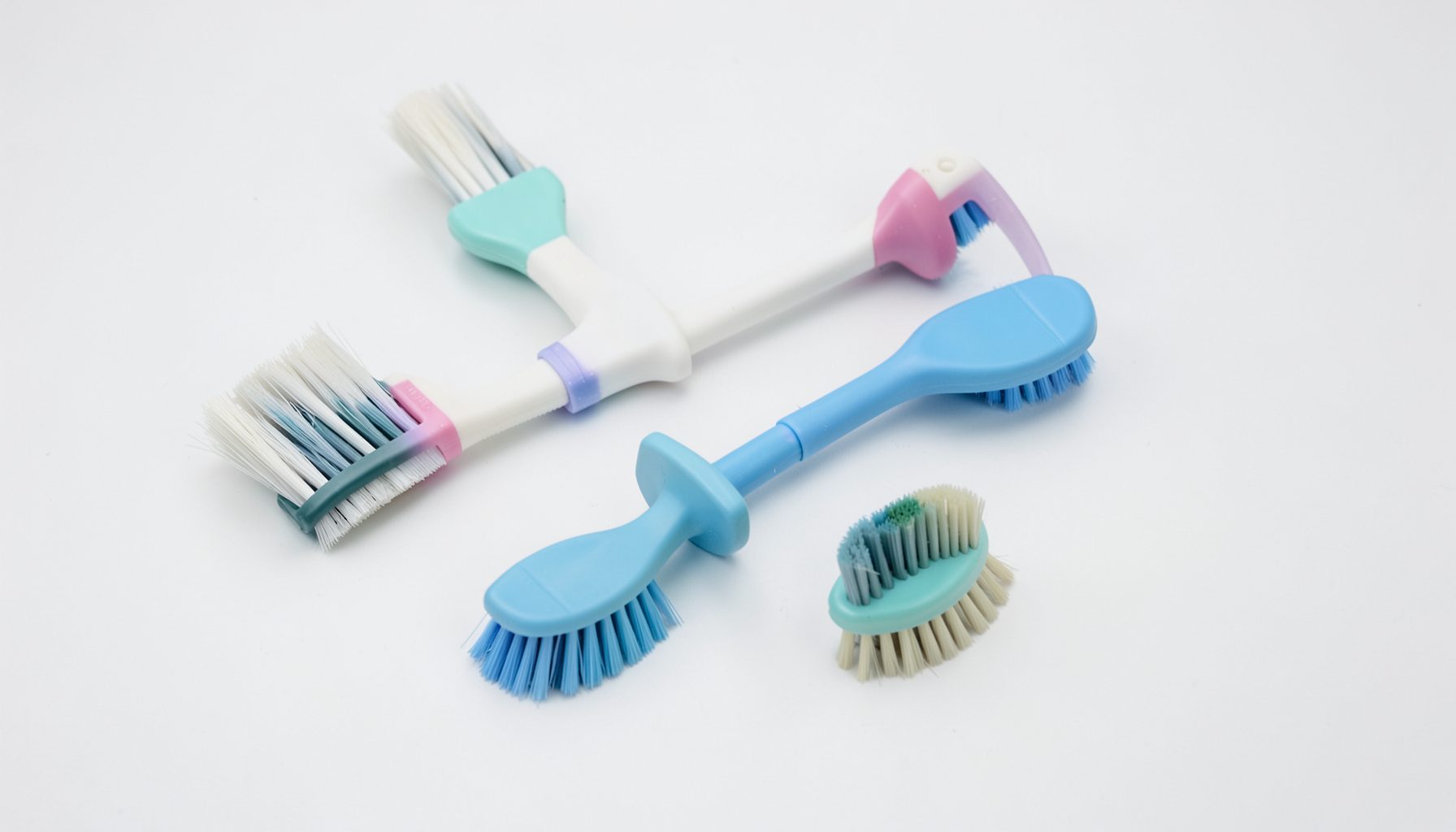
Switch nostrils and repeat. After use, rinse the bottle and let it air dry. Use ResQRinse Premium Cleaning Brushes for thorough cleaning.
Keeping your squeeze bottle spotless with a cleaning brush
Australia's spring brings pollen counts through the roof in Melbourne and Sydney, leaving plenty of locals reaching for a saline rinse to clear blocked sinuses. Whether you've spent a long weekend trudging through red dust at the Parkes Elvis festival or copped smoke drifting in from a wet-season bushfire on the east coast, your squeeze bottle does the hard yakka. To keep it working properly and stop bacteria from building up, a quick scrub with a dedicated cleaning brush is a non-negotiable part of the routine.
A clean bottle isn't just about looks — it affects how the saline feels inside your nose and how long the bottle itself lasts. Hard tap water, sticky saline residue, and warm bathroom humidity create the perfect breeding ground for bacteria. Adding a five-minute clean to your weekly schedule keeps everything hygienic and saves you from buying replacement gear sooner than necessary.
Why a hygienic rinse bottle matters in the Aussie climate
From Perth's dry heat to Brisbane's subtropical humidity, the conditions across the country put nasal rinse gear through the wringer. Findings shared by the Therapeutic Goods Administration show that contaminated irrigation devices can introduce pathogens straight back into the sinuses, undoing the very relief you're chasing. In coastal towns like Cairns and Townsville, salt-laden air can even crystallise on bottle surfaces, leaving gritty residue in the neck and lid.
Hay fever season alone can stretch from September through January, with thunderstorm asthma events hitting Melbourne every few years. If you're flushing your nasal passages daily during that stretch, the bottle gets used hard and cleaned less often than it should. A proper brush-down breaks down the biofilm that forms along the inside walls, especially around the silicone seal and the angled tip that points toward your nostril.
Tools you'll need for the job
Setting up your workspace before you start makes the whole process quicker and less messy. Most of these items are easy to grab from your local Chemist Warehouse or any big-box supermarket down the road. Keep them together in a small caddy on the laundry bench so you can wipe down your bottle straight after a rinse.
Essentials for a thorough scrub:
- A flexible-bristle cleaning brush sized for the bottle's neck
- Warm tap water (cooler if you plan to follow up with boiling water)
- A mild, fragrance-free dishwashing liquid
- White vinegar or a hospital-grade disinfectant spray
Lay everything out on a clean chopping board or sheet of paper towel so grit from the sink doesn't transfer onto freshly washed parts during the scrub-down. Having a dedicated tea towel for this job stops lint from clogging the silicone components later.
Taking your squeeze bottle apart safely
Before you start scrubbing, give the bottle a quick visual once-over on the kitchen bench. The squeeze bottle system usually comes apart into four pieces — the bottle body, the cap, the silicone gasket, and the angled nozzle. Lay them out on a clean tea towel away from where the kids are running amok during Saturday arvo sport on the telly.
The silicone gasket is the small ring that sits inside the cap and creates the seal. It often gets overlooked and can harden or warp if cleaned with harsh chemicals. Pop it out gently with a clean fingernail or the blunt end of a teaspoon. Once everything is separated, you're ready to tackle the inside properly.
Scrubbing the inside with a cleaning brush
Here's where the dedicated brush really earns its keep. Dip it in warm soapy water and feed it gently through the bottle's neck, working it in a slow circular motion against the inside walls. Don't force it — the bristles are designed to flex around curves and into the rounded base where residue pools over time.
Pay attention to three high-traffic spots: the threaded neck where the cap screws on, the angled tip that goes near your nose, and the dimpled base that touches the bench when you set the bottle down. Each of these collects a thin film of saline that hardens into scale if left alone. The bristles lift that film without scratching the plastic, which keeps the bottle's walls smooth and easy to rinse clean afterwards.
Disinfecting after the scrub
Once the loose grime is gone, you want to nuke anything that survived the brushwork. The simplest Aussie-approved method is a short soak in white vinegar mixed half-and-half with water for around ten minutes. Vinegar is cheap, food-safe, and easy to rinse out afterwards.
For a deeper clean during cold and flu season, pour boiling water from the kettle over the bottle and all disassembled parts. The heat kills lingering bacteria without leaving chemical residue behind. Specialists at the allergy and asthma hub suggest keeping rinse gear disinfected twice a week if you're recovering from a sinus infection, since reinfection is one of the most common relapses they see in clinic throughout the year.
Drying and storing your bottle in local conditions
Drying matters more than most people realise, especially if you live somewhere like Darwin or the Gold Coast where the air stays muggy year-round. After rinsing away soap or vinegar, shake off the excess water and stand the bottle upside down on a clean dry towel in a spot with good airflow. Skip the cupboard straight away — trapped moisture turns the interior into a petri dish faster than you'd think.
Once everything is completely dry to the touch, reassemble the gasket, cap, and nozzle, then store the bottle in a cool, ventilated spot rather than wedging it in a damp bathroom cabinet if possible. If your bathroom doesn't have a window or extraction fan, pop the gear on the kitchen bench during the day and put it away at night.
Slip-ups worth skipping
It's easy to fall into habits that feel like they're cleaning but actually aren't doing the job. Steering clear of these mistakes keeps your bottle safer and extends its life considerably.
Common mistakes that compromise hygiene:
- Rinsing with cold water only and assuming that's enough
- Reaching for bleach or methylated spirits on plastic parts
- Storing the bottle assembled while still damp inside
- Skipping the brush because the bottle "looks clean"
Bleach and methylated spirits are pantry staples in plenty of Aussie homes, but they can degrade silicone gaskets and leave fumes that irritate the very sinuses you're trying to soothe. A brush plus warm soapy water, followed by a vinegar or hot-water rinse, does the heavy lifting without the risks.
For the full rundown on bottle care and other nasal hygiene tips, pop over to news for the latest updates and seasonal allergy alerts, or browse the ResQRinse blog for step-by-step guides on saline routines, kids' versions, and how the Nasal Lock system compares to a traditional neti pot. Your sinuses will thank you next time Brisbane's pollen count climbs past the danger mark.