ResQRinse is the nasal irrigation squeeze bottle that eliminates head-tilting and awkward neck positions. Using proprietary Nasal Lock™ technology, it delivers a comfortable, gag-free sinus cleanse — no more saline dripping down your throat.

Relief From Fall Sneezes
Now sold on Walmart.com. Free shipping on orders $30+. Try ResQRinse today with your everyday purchases.
Shop at WalmartWhy ResQRinse?
Nasal rinsing helps relieve congestion from colds, allergies, sinusitis, hay fever, and environmental pollutants. ResQRinse makes it comfortable enough to become a daily habit.
Nasal Lock™ Technology
Isolates sinuses from the throat using natural choanal occlusion — like inflating a balloon — so saline stays where it belongs.
Learn more →
Drug-Free Relief
Uses premixed saline packets with distilled water. No medications, no preservatives — just a natural cleanse for your nasal passages.
How to rinse →
For Kids Too
ResQRinse for Kids features a comfort nasal tip right-sized for smaller nostril openings, making rinsing gentle and easy for children.
Shop kids' version →
Breath-Controlled Flow
You control the saline flow with your own breath pressure — high volume, low pressure irrigation that's comfortable and effective.
Watch how-to videos →
Better Compliance
Designed to overcome the gagging and discomfort that cause people to abandon traditional neti pots and nasal rinse systems.
Our story →
Complete Kits Available
From the basic ResQRinse Nasal Rinse System ($19.99) to 90-day complete kits, saline packets, cleaning brushes, and Sinoptim Nasal Mist.
Browse all products →Get Started with ResQRinse
Ready to experience a better nasal rinse? Fill out the form below and we'll help you find the right product — or follow the simple steps to begin rinsing today.
Request More Information
How to Use ResQRinse
Fill the Bottle
Fill the ResQRinse squeeze bottle with distilled or previously boiled water and add one premixed saline packet.
Position the Tip
Place the comfort tip gently against one nostril. No head-tilting or awkward neck angles needed.
Squeeze & Breathe
Squeeze the bottle gently while breathing through your mouth. Nasal Lock™ keeps saline in your nasal passages and out of your throat.
Repeat & Clean
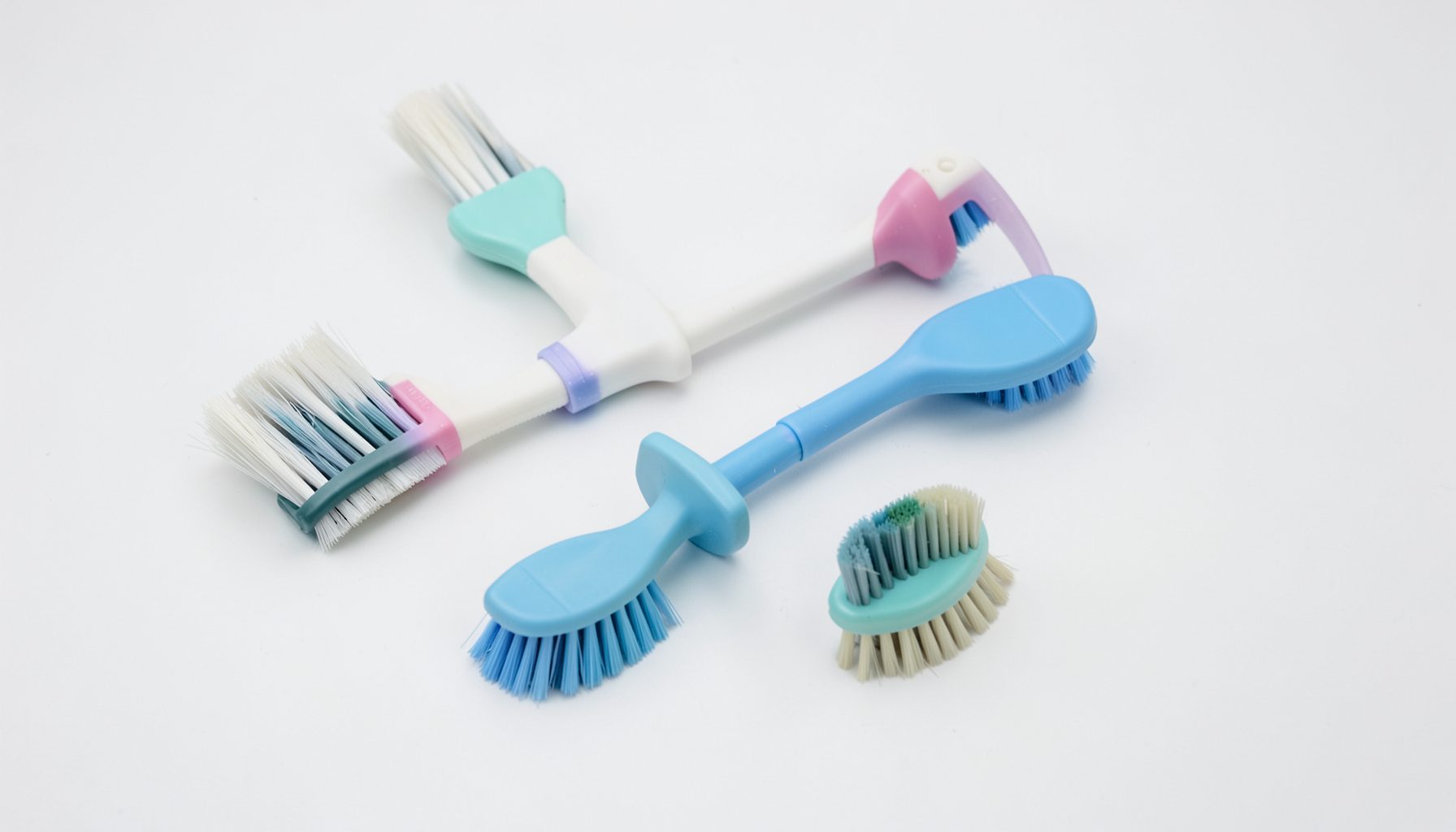
Switch nostrils and repeat. After use, rinse the bottle and let it air dry. Use ResQRinse Premium Cleaning Brushes for thorough cleaning.
Pack Saline Packets For Clean, Leak-Free Travel
A portable nasal rinse can be useful during flights, road trips, hotel stays, and allergy-heavy destinations. Saline packets are especially convenient because they contain a measured blend of salt and buffering ingredients, eliminating the need to carry a container of loose powder. Their small size also makes it easy to keep a few doses in a carry-on, toiletry bag, or family travel kit.
The main concern is protecting the packets from moisture and preventing small tears from spreading through your luggage. A simple packing routine helps keep the powder dry, the packet seams intact, and your supplies ready when congestion or nasal irritation appears.
Safe preparation matters as much as careful storage. Nasal irrigation should use distilled, sterile, or appropriately boiled and cooled water, along with clean equipment. Saline packets are designed to be mixed with the correct amount of water, so do not prepare a rinse in advance unless you have a suitable clean, sealed container and can follow the product instructions.
Choose The Right Packets For Your Trip
Start with commercially sealed saline packets made for nasal irrigation. Avoid carrying loose salt in an unmarked bag, since it can absorb moisture, spill easily, and be difficult to identify during travel. Original packets also provide useful information about the ingredients, expiration date, and intended water volume.
Inspect each packet before packing it. Do not use packets with open corners, pinholes, damp patches, clumping, or damaged seams. A packet that feels unusually soft may have absorbed humidity, especially if it has been stored in a bathroom or a warm vehicle. Replace questionable packets rather than relying on a damaged seal.
Pack enough for the full journey, plus a few extras for delays or unexpected symptoms. For a short trip, several individual doses may be sufficient. Longer travel may call for a small reserve, particularly when you are visiting a dry, dusty, pollen-heavy, or high-altitude location.
Build A Moisture-Resistant Travel Kit
The best protection is a two-layer system. Place the individual packets inside a small resealable plastic pouch, then put that pouch inside your toiletry bag or carry-on. The inner pouch contains powder if a packet tears, while the outer bag shields the supplies from shampoo, sunscreen, wet clothing, and accidental splashes.
Keep saline packets away from liquids and from items that may become damp. Do not store them beside a wet toothbrush, an open water bottle, used tissues, or a reusable rinse bottle that has not fully dried. If you carry a cleaning brush, place it in a separate ventilated compartment after washing and drying it.
For a clearer look at how a rinse system is assembled and used, review the nasal rinse videos before leaving home. Familiarity with the bottle, cap, and packet helps prevent rushed handling in an airport restroom or unfamiliar hotel bathroom.
Keep Dry Powder Separate From Water
Saline packets should remain dry until you are ready to make a rinse. Water inside a luggage compartment, cabin bag, or toiletry pouch can weaken paper or foil packaging and cause powder to cake. Even a small amount of moisture may make a packet difficult to open cleanly.
Carry an empty, clean rinse bottle when practical, then fill it with safe water at your destination. Use distilled or sterile water, or use tap water that has been boiled and cooled according to public health guidance. Never use water from an uncertain source simply because it looks clear. A sealed bottled water product labeled distilled or sterile may be a convenient travel option, although ordinary bottled drinking water is not automatically suitable for nasal irrigation.
| Travel Situation | Best Way To Carry Saline | Important Precaution |
|---|---|---|
| Airplane carry-on | Packets in a sealed inner pouch inside your toiletry bag | Keep them separate from liquid containers |
| Checked luggage | Use a rigid pouch or small container inside a zip bag | Avoid heat, crushing, and prolonged humidity |
| Road trip | Store in the cabin rather than a hot trunk | Do not leave packets in direct sunlight |
| Hotel stay | Keep packets on a dry shelf or in a sealed pouch | Use safe water and a clean bottle |
| Family travel | Give each person a labeled supply pouch | Keep children’s products separate from adult items |
If you carry premixed saline, use a clean, leak-resistant container specifically intended for that purpose and follow the product’s storage guidance. In most cases, transporting dry packets and mixing a fresh solution when needed is simpler and less prone to leakage.
Handle Packets Carefully In Transit
Repeated bending is a common cause of small leaks. Store packets flat or in a rigid organizer so they do not fold around chargers, keys, or toiletry bottles. Avoid stuffing them into a crowded pocket where zippers and sharp corners can scrape the packaging.
When opening a packet, tear along the marked edge over the rinse bottle or a clean surface. Do not use scissors, a pocketknife, or your teeth, since these methods can create jagged edges or introduce contaminants. Pour the entire contents into the recommended amount of water and follow the instructions for your irrigation system.
If a packet does leak, discard the powder rather than trying to salvage it. Wipe the surrounding pouch with a clean, dry tissue, inspect the remaining packets, and move them into a fresh bag if necessary. A spare resealable pouch takes up little room and can prevent one damaged packet from affecting the rest of your travel supplies.
Match The Supply To Your Rinse System
Saline packets are formulated for a specific volume of water and a particular type of nasal rinse. Check that the packet size matches your bottle. Using too little water can create a solution that feels overly salty or irritating, while using too much water produces a weaker mixture that may not provide the intended comfort.
A complete travel setup may include the bottle, saline packets, a small cleaning brush, and a carrying pouch. Choose a compact system that can be rinsed and dried easily between uses. Squeeze-bottle designs may be simpler to pack than a traditional neti pot because the bottle, cap, and packet can stay together in one organized kit.
For current options, compare the available travel rinse kits with the bottle size and number of saline doses you expect to need. A children’s version may be appropriate for younger users, but children should use nasal irrigation only with suitable supervision and according to the product directions.
Follow A Simple Arrival Routine
After reaching your destination, inspect the packets before placing them in the bathroom. Move them to a dry location away from the shower and sink. If the room is humid, keep the sealed pouch inside your luggage or a drawer rather than leaving it exposed on a counter.
Wash your hands before preparing a rinse. Clean the bottle and its components as directed, use the correct water, and mix one dose at a time. After use, empty any remaining solution, rinse the equipment, and allow it to air-dry completely. Do not store a wet bottle closed inside a travel bag.
A rinse may help relieve nasal congestion, allergy-related irritation, or sinus pressure for some people, but it should not replace medical care for severe or persistent symptoms. Stop if the process causes significant pain, nosebleeds, or worsening discomfort, and seek professional advice when symptoms are unusual, intense, or long-lasting.
Pack A Reliable Saline Travel Kit
Use this checklist before placing your health supplies in a suitcase or carry-on:
- Inspect every packet for tears, dampness, clumping, and an in-date label.
- Place the packets in a resealable inner pouch and keep that pouch away from liquids.
- Carry a clean, dry rinse bottle that matches the packet’s recommended water volume.
- Bring enough doses for the trip, with a few extras for delays or changes in schedule.
- Pack a separate pouch or container for cleaning supplies and wet equipment.
A small amount of organization protects the powder from leaks, moisture, heat, and crushing. Keeping saline packets dry until use also makes it easier to prepare a fresh rinse safely wherever your itinerary takes you.
Before departure, assemble the complete kit and test how the packets, bottle, and cleaning supplies fit together. Then place the sealed kit in an accessible part of your carry-on so it remains protected and easy to reach when nasal symptoms interrupt your travel.