ResQRinse is the nasal irrigation squeeze bottle that eliminates head-tilting and awkward neck positions. Using proprietary Nasal Lock™ technology, it delivers a comfortable, gag-free sinus cleanse — no more saline dripping down your throat.

Relief From Fall Sneezes
Now sold on Walmart.com. Free shipping on orders $30+. Try ResQRinse today with your everyday purchases.
Shop at WalmartWhy ResQRinse?
Nasal rinsing helps relieve congestion from colds, allergies, sinusitis, hay fever, and environmental pollutants. ResQRinse makes it comfortable enough to become a daily habit.
Nasal Lock™ Technology
Isolates sinuses from the throat using natural choanal occlusion — like inflating a balloon — so saline stays where it belongs.
Learn more →
Drug-Free Relief
Uses premixed saline packets with distilled water. No medications, no preservatives — just a natural cleanse for your nasal passages.
How to rinse →
For Kids Too
ResQRinse for Kids features a comfort nasal tip right-sized for smaller nostril openings, making rinsing gentle and easy for children.
Shop kids' version →
Breath-Controlled Flow
You control the saline flow with your own breath pressure — high volume, low pressure irrigation that's comfortable and effective.
Watch how-to videos →
Better Compliance
Designed to overcome the gagging and discomfort that cause people to abandon traditional neti pots and nasal rinse systems.
Our story →
Complete Kits Available
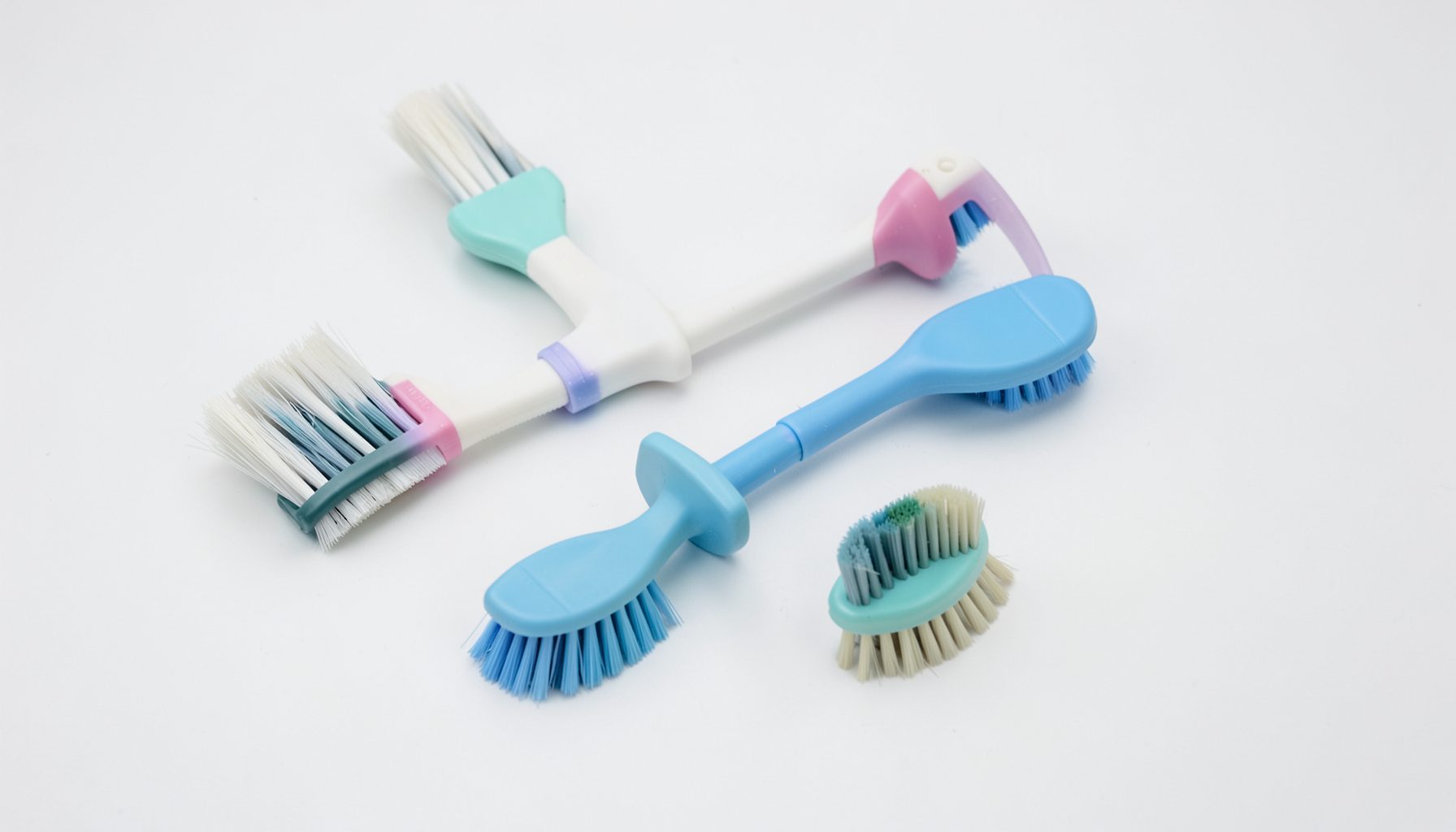
From the basic ResQRinse Nasal Rinse System ($19.99) to 90-day complete kits, saline packets, cleaning brushes, and Sinoptim Nasal Mist.
Browse all products →Get Started with ResQRinse
Ready to experience a better nasal rinse? Fill out the form below and we'll help you find the right product — or follow the simple steps to begin rinsing today.
Request More Information
How to Use ResQRinse
Fill the Bottle
Fill the ResQRinse squeeze bottle with distilled or previously boiled water and add one premixed saline packet.
Position the Tip
Place the comfort tip gently against one nostril. No head-tilting or awkward neck angles needed.
Squeeze & Breathe
Squeeze the bottle gently while breathing through your mouth. Nasal Lock™ keeps saline in your nasal passages and out of your throat.
Repeat & Clean
Switch nostrils and repeat. After use, rinse the bottle and let it air dry. Use ResQRinse Premium Cleaning Brushes for thorough cleaning.
Helping a Reluctant Child Embrace Nasal Rinsing
Every year, when the wattle starts blooming across the eastern seaboard, Australian households reach for the tissues. Spring in Sydney, Adelaide, and the suburbs ringing Brisbane brings wave after wave of pollen, and countless kids wake up with stuffy noses, itchy eyes, and the kind of grogginess that makes school drop-offs feel longer than they are. Parents often search for a remedy that actually works without resorting to medications every time congestion flares. A simple saline wash can clear thick mucus, flush out allergens, and help a child breathe more comfortably through the day.
For many families, however, the very idea of pouring water through a child's nose feels intimidating. Children can be surprisingly firm in their refusal, especially if they have tried a traditional neti pot or a forceful rinse in the past and found the sensation strange or unpleasant. The good news is that a modern paediatric rinse system can turn this chore into a calm, even pleasant, part of the morning routine. With the right technique, a little patience, and tools designed for small faces, a toddler or school-aged child can learn to welcome the process rather than dread it.
Below is a practical roadmap for caregivers who want to introduce sinus flushing to a child who has been resistant, fearful, or simply uninterested. Each step focuses on comfort, trust, and small wins, drawing on approaches familiar to early childhood educators and child health nurses across the country.
Understanding Why Children Resist the Rinse
Resistance to nasal washing usually comes from one of three places: a fear of water near the face, a memory of a previous uncomfortable experience, or simply not understanding what is happening. A child who squirmed during a past attempt may associate the squeeze bottle with pressure or stinging. Another may have watched a sibling flinch and decided the whole thing looks risky. Recognising the source of the pushback is the first step in turning it around.
Australian homes also present specific environmental triggers. During the dry winter months in inland areas like Toowoomba or parts of regional South Australia, indoor heating can leave nasal passages parched and extra sensitive. When the air inside the house is dry, a sudden splash of water can feel shocking rather than soothing. Understanding these local conditions helps parents adjust water temperature, room humidity, and timing to suit their child's comfort.
For kids with autism, sensory processing differences, or strong reactions to new textures, the unfamiliar sensation of saline flowing through the nostrils can feel overwhelming. Rather than forcing the issue, a gradual desensitisation plan works best. Let the child hold the empty device, play with it during bath time, and grow used to its shape before any liquid enters the picture. Patience here pays off in the long run, because a child who feels in control of the process is far more willing to cooperate when the actual rinse begins.
Making the Experience Sensory-Friendly
Temperature matters more than most parents realise. Lukewarm water, close to body temperature, feels far gentler than something cool from the tap. During chilly Melbourne mornings, warming the saline solution slightly can prevent the sharp jolt that triggers a wince. A simple rule is to test the water on the inside of the wrist, just as one would with a baby's bottle. If it feels neutral on skin, it will feel neutral inside the nose.
Pressure is the second comfort lever. A gentle squeeze that lets saline trickle rather than blast is often the difference between cooperation and tears. Devices engineered with a controlled flow, soft seals, and ergonomic grips allow caregivers to regulate how much solution moves at a time. When a child senses that the stream is calm and predictable, the body relaxes and breathing through the mouth becomes easier.
Surroundings also shape the experience. A bright bathroom with echoing tiles can feel clinical, while a cosy bedroom or a quiet spot near a window often works better for first attempts. Dim lighting, a favourite stuffed animal nearby, and a calm voice all lower the stakes. Once the rinse is finished, a soft towel and a moment of praise close the moment gently, leaving a positive memory for next time.
Turning Rinse Time into a Playful Routine
Children learn fastest through play, and Australian early childhood frameworks have long championed this approach. Turning nasal irrigation into a short game or a character-driven ritual can transform reluctance into anticipation. A pirate who needs to wash the sea out of his snout, a superhero clearing out kryptonite pollen, or a bear cub preparing for winter are all imaginative hooks that give the activity meaning beyond medicine.
Visual aids also work well. A simple chart on the fridge with stickers for each successful rinse gives young children a tangible sense of progress. After a full week of cooperation, a small reward such as picking the weekend breakfast or choosing a story at bedtime reinforces the habit. The aim is to associate the rinse with accomplishment, not endurance.
Storytelling during the rinse itself can distract from any mild discomfort. Telling a tale about a fish swimming upstream, or counting how many seconds the gentle stream takes to flow, keeps the mind engaged. Over time, the child starts to own the routine, grabbing the bottle themselves and reminding parents that it is rinse time. That shift, from being told to do it to choosing to do it, is the real milestone.
Choosing the Right Tools for Smaller Hands
Adult-sized neti pots and rigid syringes are poorly suited to children. The angle of the spout, the force required, and the overall weight can all contribute to a negative experience. Purpose-built paediatric systems feature softer tips, smaller reservoirs, and bottles that fit comfortably in a parent's palm while still allowing precise control. When the tool feels right, the rest of the routine often falls into place.
Saline packets designed to dissolve quickly in measured water remove another variable. Pre-mixed or single-serve sachets take the guesswork out of concentration, which matters because too salty or too weak a solution can sting. Those exploring the available kids nasal rinse kits will find options sized for smaller nostrils, with cleaning brushes included and gentle flow rates suited to first-time users.
Availability through major Australian retailers, including Chemist Warehouse shelves and Amazon Australia, makes it easy to keep a steady supply of saline sachets on hand. Having a spare bottle for the school bag or the family holiday kit also reduces friction, because a missed rinse session does not have to mean a missed day. Stocking up once and refilling as needed keeps the routine uninterrupted across busy weeks and travel.
Building Confidence with Patience and Praise
Praise, when specific and sincere, goes a long way. Telling a child "you stayed so still" or "you breathed through your mouth just like we practised" acknowledges the effort rather than just the outcome. Avoid comparing siblings or mentioning previous failures; every attempt is a fresh start. Parents who model the behaviour themselves, rinsing their own nose while the child watches, often find that imitation follows naturally within a few days.
Consistency matters too. Choosing the same time each day, perhaps after the evening bath or first thing in the morning before breakfast, builds a rhythm that children come to expect. The brain treats predictable actions as safe, and what once felt strange gradually becomes ordinary. For families dealing with chronic congestion linked to allergies, sinus flare-ups, or recurrent colds, this daily rhythm can reduce sick days and pharmacy visits across the year.
There will be setbacks. A child who happily rinsed for two weeks may suddenly refuse on day fifteen, especially when unwell or tired. Treat those moments with the same calm energy used on day one, and avoid turning the rinse into a battle of wills. Reading through the family wellness guides can help parents reset their approach when the routine needs refreshing.
If your child is dealing with persistent congestion from allergies, sinusitis, or the dry air that drifts through many Australian homes, a comfortable nasal rinse system can change daily life for the better. Start with a kit designed for children, set aside a few calm minutes each day, and let the routine grow at your child's pace. Visit the ResQRinse shop to find a gentle squeeze bottle, paediatric saline packets, and accessories that make the process easier from the very first try. Small steps taken today often lead to clearer breathing, calmer mornings, and a child who eventually reaches for the rinse bottle all on their own.