ResQRinse is the nasal irrigation squeeze bottle that eliminates head-tilting and awkward neck positions. Using proprietary Nasal Lock™ technology, it delivers a comfortable, gag-free sinus cleanse — no more saline dripping down your throat.

Relief From Fall Sneezes
Now sold on Walmart.com. Free shipping on orders $30+. Try ResQRinse today with your everyday purchases.
Shop at WalmartWhy ResQRinse?
Nasal rinsing helps relieve congestion from colds, allergies, sinusitis, hay fever, and environmental pollutants. ResQRinse makes it comfortable enough to become a daily habit.
Nasal Lock™ Technology
Isolates sinuses from the throat using natural choanal occlusion — like inflating a balloon — so saline stays where it belongs.
Learn more →
Drug-Free Relief
Uses premixed saline packets with distilled water. No medications, no preservatives — just a natural cleanse for your nasal passages.
How to rinse →
For Kids Too
ResQRinse for Kids features a comfort nasal tip right-sized for smaller nostril openings, making rinsing gentle and easy for children.
Shop kids' version →
Breath-Controlled Flow
You control the saline flow with your own breath pressure — high volume, low pressure irrigation that's comfortable and effective.
Watch how-to videos →
Better Compliance
Designed to overcome the gagging and discomfort that cause people to abandon traditional neti pots and nasal rinse systems.
Our story →
Complete Kits Available
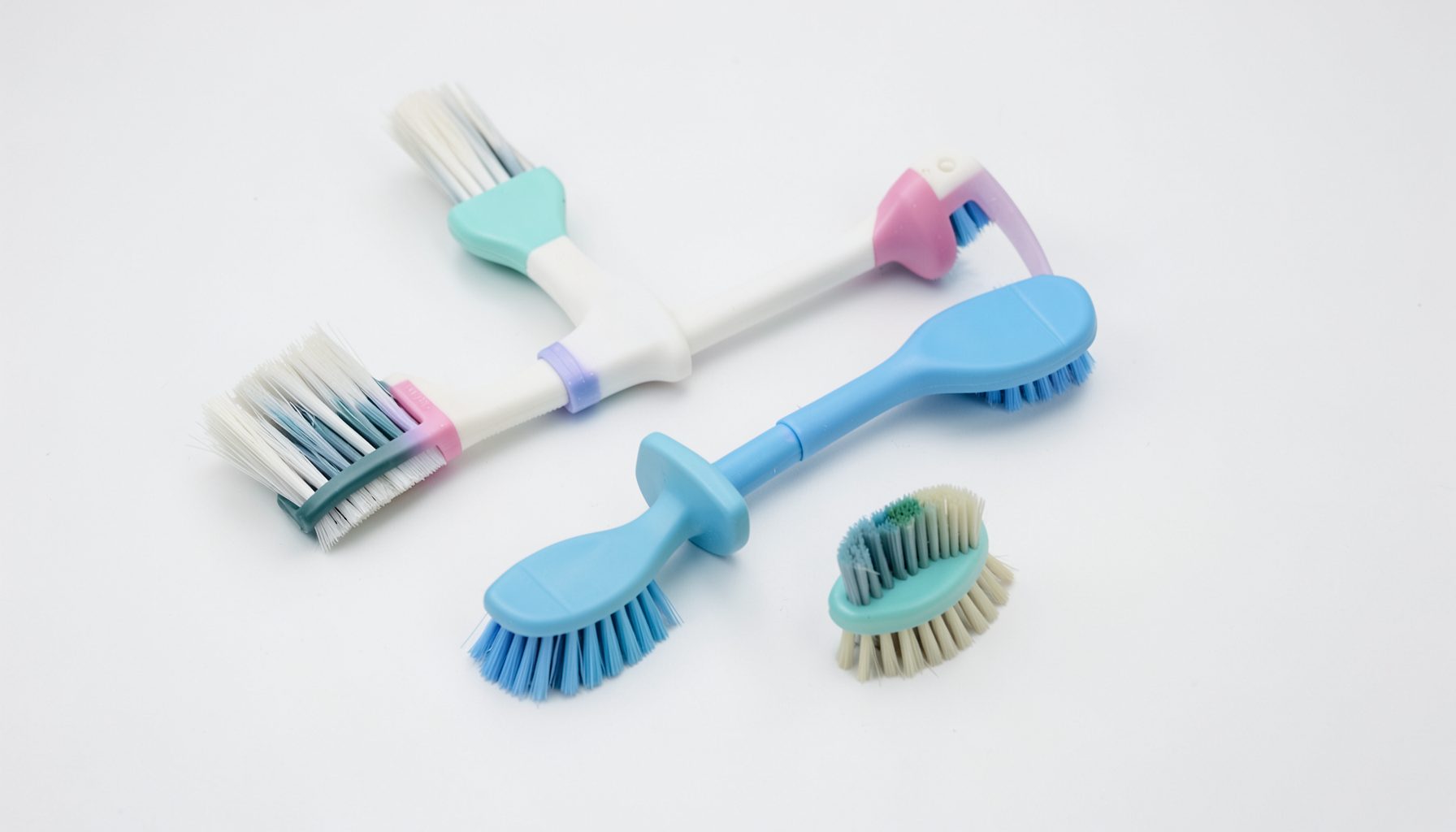
From the basic ResQRinse Nasal Rinse System ($19.99) to 90-day complete kits, saline packets, cleaning brushes, and Sinoptim Nasal Mist.
Browse all products →Get Started with ResQRinse
Ready to experience a better nasal rinse? Fill out the form below and we'll help you find the right product — or follow the simple steps to begin rinsing today.
Request More Information
How to Use ResQRinse
Fill the Bottle
Fill the ResQRinse squeeze bottle with distilled or previously boiled water and add one premixed saline packet.
Position the Tip
Place the comfort tip gently against one nostril. No head-tilting or awkward neck angles needed.
Squeeze & Breathe
Squeeze the bottle gently while breathing through your mouth. Nasal Lock™ keeps saline in your nasal passages and out of your throat.
Repeat & Clean
Switch nostrils and repeat. After use, rinse the bottle and let it air dry. Use ResQRinse Premium Cleaning Brushes for thorough cleaning.
How to Teach an Older Child to Use a Squeeze Bottle Safely
Nasal irrigation can be a useful way to loosen mucus and wash away allergens when an older child has a blocked nose, seasonal allergies or sinus discomfort. A squeeze bottle gives the child more control than a traditional neti pot, but safe technique matters: the water must be suitable, the bottle must be clean, and the flow should always feel gentle rather than forced. Learn more about Lifta 20 Mg Kullanirken Bas Agrisi Neden Olur Ve Nasil Gecer.
The best teaching approach is calm, practical and gradual. Show the process first, let your child handle the equipment while it is empty, and then guide the first rinse yourself. Families in Australia may use a nasal rinse during Melbourne’s spring pollen season, after dusty outdoor days in Adelaide, or when winter congestion spreads through a school in Sydney or Brisbane. A simple routine can make the experience less intimidating.
Choose the right time and equipment
Start when your child is relatively calm and can follow several instructions in sequence. An older child may be ready to participate independently, but an adult should supervise until they can prepare the rinse, position their head and clean the system correctly every time. Avoid introducing it when the child is distressed, rushing to school or already struggling to breathe through the nose.
Use a child-appropriate squeeze bottle with a comfortable tip and clearly measured saline sachets. A system with Nasal Lock technology can help create a controlled seal at the nostril, reducing leakage when the bottle is positioned correctly. Check the product age guidance and read the manufacturer’s directions before the first use. The ResQRinse story also explains the brand’s approach to nasal irrigation products and their intended use.
Water safety deserves special attention in Australia. Do not fill the bottle with untreated tap water, even if the water looks clean. Use sterile or distilled water, or tap water that has been boiled and allowed to cool according to health advice. Store prepared water safely, and never use water that has been sitting in the bottle from an earlier rinse.
Demonstrate the routine without pressure
Before adding saline, let your child examine the bottle, cap and nozzle. Explain that the solution travels in through one nostril and out through the other, or sometimes through the mouth. It should not be swallowed deliberately, although a small amount reaching the throat is usually manageable. Demonstrate the process on yourself first if you are comfortable doing so.
Prepare the saline solution exactly as directed. Using too little or too much salt can cause stinging, so avoid mixing by guesswork or substituting table salt. Ask your child to lean over a sink, keep the mouth open and breathe through it. The head should tilt slightly forward and to one side, not sharply backwards. These small adjustments help the fluid drain into the sink rather than down the throat.
Keep your language reassuring and specific. Say, “Gentle pressure,” “Relax your shoulders,” and “Let it flow out,” rather than telling the child to squeeze hard. If the first attempt produces only a few drops, that is acceptable. The aim is to build confidence and correct positioning, not to complete a full bottle immediately.
Teach the squeeze and breathing technique
Have the child place the nozzle comfortably against one nostril without pushing it deeply inside. The mouth stays open while the child takes slow, easy breaths. A gentle squeeze sends saline through the nasal passages; strong pressure is unnecessary and may cause discomfort around the ears or sinuses.
If the solution does not pass through, stop squeezing and check the position. The child may be holding their breath, leaning too far back or pressing the nostril closed. Ask them to relax, breathe through the mouth and try again with less pressure. Never use force to overcome resistance. A blocked nose may need time to soften, and some children may tolerate a small amount better than a complete rinse.
After one side, encourage the child to blow their nose gently, one nostril at a time. Blowing hard can create pressure in the ears. The child can then repeat the process on the other side if comfortable. Stop immediately if there is sharp pain, ear pressure, bleeding, dizziness, significant coughing or distress.
Build hygiene into every use
Cleaning is part of safe nasal irrigation, not an optional extra. After each use, empty any remaining solution, rinse the bottle and nozzle with safe water, and allow all parts to air-dry completely. Follow the product instructions for disassembly and washing. A cleaning brush can help reach the inside of the bottle, where moisture may otherwise remain.
Do not share a nasal rinse bottle between siblings, even when they have similar symptoms. Keep the system in a clean, dry place rather than beside a wet shower or a crowded bathroom sink. Replace the bottle or parts at the interval recommended by the manufacturer, and discard components that become cracked, cloudy or difficult to clean.
Saline packets should remain sealed until needed and should never be stretched across multiple rinses. Prepare a fresh solution for every session. If you are uncertain about water preparation, storage or cleaning, consult the product’s common questions and follow advice from an Australian pharmacist, nurse or GP.
Make the habit comfortable and age-appropriate
An older child is more likely to cooperate when they understand the purpose and have some control. Let them choose whether to rinse before breakfast, after school or before bed, provided the timing suits the instructions and their symptoms. In a dry inland climate, a child may find the routine useful after exposure to dust; during Canberra or Melbourne allergy seasons, rinsing may help wash away outdoor irritants after returning home.
Keep the first few sessions short and predictable. Place a towel over the child’s shoulders, use a mirror if it helps with positioning, and allow them to pause between sides. Praise safe actions such as keeping the mouth open, using light pressure and cleaning the bottle. Avoid framing the rinse as a punishment for refusing to blow their nose or as a test they must pass.
Nasal irrigation should support comfort, not replace medical assessment. If congestion persists, symptoms are severe, or the child has recurring sinus problems, fever, facial swelling, breathing difficulty or ear pain, arrange advice from a GP. A pharmacist at a local Chemist Warehouse or community pharmacy can help with general product questions, while a doctor can assess symptoms that need more than saline care.
Know when supervision can be reduced
Independence should develop in stages. At first, the adult can prepare the water and saline, position the bottle and guide the child’s hand. Later, the child can perform the rinse while the adult watches. Only consider less direct supervision when the child consistently follows the water-safety, hygiene and pressure instructions without reminders.
A useful checklist is simple: clean hands, correct water, correctly mixed saline, open mouth, gentle pressure, no deep insertion and thorough cleaning afterwards. Keep the checklist near the sink if needed. Children who are old enough to use the bottle themselves should still know when to stop and tell an adult about pain, bleeding, ear fullness or worsening symptoms.
Do not encourage a child to use leftover solution, share equipment or continue rinsing through significant discomfort. Certain medical conditions, recent nasal surgery or frequent nosebleeds may require individual advice before irrigation. A healthcare professional can confirm whether a squeeze bottle is suitable and explain any modifications.
Teach the routine as a calm health skill rather than a complicated treatment. With safe water, measured saline, patient coaching and consistent cleaning, many older children can learn to use a squeeze bottle confidently. Choose a suitable ResQRinse system, practise the steps together and supervise each session until safe habits become automatic.