ResQRinse is the nasal irrigation squeeze bottle that eliminates head-tilting and awkward neck positions. Using proprietary Nasal Lock™ technology, it delivers a comfortable, gag-free sinus cleanse — no more saline dripping down your throat.

Relief From Fall Sneezes
Now sold on Walmart.com. Free shipping on orders $30+. Try ResQRinse today with your everyday purchases.
Shop at WalmartWhy ResQRinse?
Nasal rinsing helps relieve congestion from colds, allergies, sinusitis, hay fever, and environmental pollutants. ResQRinse makes it comfortable enough to become a daily habit.
Nasal Lock™ Technology
Isolates sinuses from the throat using natural choanal occlusion — like inflating a balloon — so saline stays where it belongs.
Learn more →
Drug-Free Relief
Uses premixed saline packets with distilled water. No medications, no preservatives — just a natural cleanse for your nasal passages.
How to rinse →
For Kids Too
ResQRinse for Kids features a comfort nasal tip right-sized for smaller nostril openings, making rinsing gentle and easy for children.
Shop kids' version →
Breath-Controlled Flow
You control the saline flow with your own breath pressure — high volume, low pressure irrigation that's comfortable and effective.
Watch how-to videos →
Better Compliance
Designed to overcome the gagging and discomfort that cause people to abandon traditional neti pots and nasal rinse systems.
Our story →
Complete Kits Available
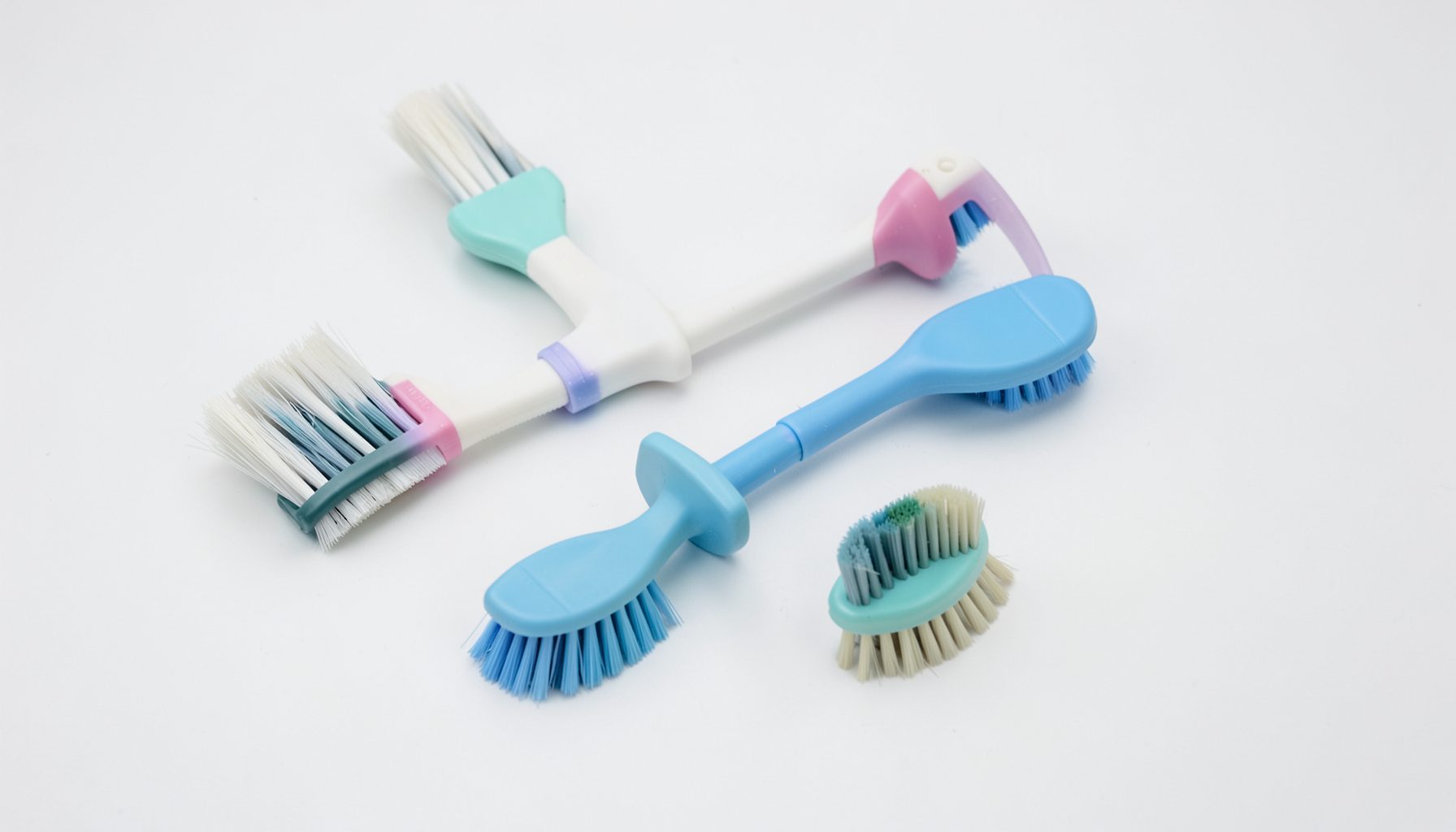
From the basic ResQRinse Nasal Rinse System ($19.99) to 90-day complete kits, saline packets, cleaning brushes, and Sinoptim Nasal Mist.
Browse all products →Get Started with ResQRinse
Ready to experience a better nasal rinse? Fill out the form below and we'll help you find the right product — or follow the simple steps to begin rinsing today.
Request More Information
How to Use ResQRinse
Fill the Bottle
Fill the ResQRinse squeeze bottle with distilled or previously boiled water and add one premixed saline packet.
Position the Tip
Place the comfort tip gently against one nostril. No head-tilting or awkward neck angles needed.
Squeeze & Breathe
Squeeze the bottle gently while breathing through your mouth. Nasal Lock™ keeps saline in your nasal passages and out of your throat.
Repeat & Clean
Switch nostrils and repeat. After use, rinse the bottle and let it air dry. Use ResQRinse Premium Cleaning Brushes for thorough cleaning.
How to rinse your nose after swimming in chlorinated pools
Swimming in chlorinated pools is part of everyday life for many Australians, from dawn laps at Sydney's Cook + Phillip Park Aquatic Centre to family weekends at Brisbane's Chermside Pool, or training sessions before a surf lifesaving carnival on the Gold Coast. Chlorine keeps the water hygienic by neutralising bacteria and organic matter, yet the same chemical that protects swimmers often leaves behind stinging, dryness, and congestion in the nose.
A gentle nasal rinse after your swim washes away residual chlorine, chloramines, and any small particles the water has carried into your sinuses. Doing so quickly restores moisture to the mucosa, supports clearer breathing, and reduces the lingering chemical smell many pool-goers notice hours after they have left the water.
Why chlorinated pool water irritates your nasal passages
Chlorine is added to Australian pools under strict state health guidelines to maintain safe disinfectant levels, typically between one and three parts per million. When this chlorine reacts with sweat, urine, and skin cells brought into the pool, it forms chloramines, the compounds responsible for that sharp "pool smell" and the eye-stinging sensation familiar to anyone who has spent a morning doing laps at an aquatic centre in Melbourne or Perth.
Your nasal passages are lined with a thin, moist membrane that traps particles and warms incoming air. Chlorine and chloramines strip moisture from this lining, disrupting the mucus layer that normally catches dust, pollen, and microbes. The result is a tight, dry feeling inside the nose, occasional nosebleeds, and a heightened sense of congestion that can linger long after you have stepped out of the change room.
For swimmers who train frequently, repeated exposure can lead to chronic inflammation known as swimmer's rhinitis. Children learning to swim at indoor heated pools during the colder months are particularly susceptible, as the warm water and enclosed air intensify chlorine vapour concentrations. Hay fever sufferers, of whom Australia has one of the highest rates in the world, often find their usual symptoms flare after a long session in heavily chlorinated water.
Best time to rinse after a swim
The ideal window to rinse your nose is within fifteen to thirty minutes of leaving the pool, before chlorine residues dry and crystallise on the mucosa. Many swimmers in Adelaide's year-round outdoor pools and Brisbane's heated leisure centres rinse in the change room before showering, then repeat the process once they are home.
If you are heading straight from training to work or school, rinsing in the car park or at the next stop is far better than waiting several hours. The longer chlorine remains in contact with your nasal tissues, the more irritation it tends to cause. Rinsing on arrival home, after a shower and a change of clothes, is the second-best option for those who cannot manage a rinse at the venue.
Avoid lying down for a long nap right after swimming, particularly during Australian summer afternoons when the heat encourages a quick rest. Gravity allows residual pool water to drip deeper into the sinuses, which can prolong discomfort and increase the risk of secondary infection. A short upright rest with a cool drink is a safer choice while you wait to rinse.
Step-by-step nasal rinse technique
A proper nasal rinse uses a sterile squeeze bottle, distilled or filtered water, and a measured saline packet to deliver a gentle stream through each nostril. Begin by washing your hands thoroughly and leaning forward over a basin with your mouth open and your head tilted slightly downward, rather than backwards.
Insert the nozzle into one nostril, gently squeeze the bottle, and allow the solution to flow through the nasal cavity and out the other side. Breathe through your mouth throughout the process to prevent the solution from running down your throat. Repeat on the opposite side, then blow your nose softly into a tissue to clear any remaining liquid. The ResQRinse squeeze-bottle system is designed with a soft, ergonomic shape suited to adult and paediatric hands alike. More detail on the company's design philosophy is available on the About ResQRinse page.
Refrain from tilting your head back, as this can send solution toward your throat and ears rather than clearing the nasal passages. Use approximately half a bottle per nostril for a thorough rinse, and finish by gently patting dry around your nose rather than rubbing the skin. The whole process should take no more than two or three minutes and can become a calm part of your post-swim routine.
Common mistakes to avoid when rinsing
Tap water straight from the faucet should never be used for nasal irrigation, especially in regions where household plumbing may carry trace contaminants. Australian guidelines recommend using cooled boiled water, distilled water, or water passed through a filter with a pore size of one micron or smaller. Skipping this step introduces unnecessary risk and can undo the benefits of rinsing altogether.
Another frequent error is forcing the solution at high pressure. A steady, gentle stream is far more effective and far less likely to push water into the sinuses or ear canals. If you feel pain, stinging, or pressure behind your eyes, ease off and adjust your head angle. Reusing the same bottle without proper cleaning is another common slip that undermines hygiene, particularly when bottles are stored in damp bathroom bags.
Over-rinsing can also become counterproductive. Once or twice daily is plenty for most people after pool exposure. Rinsing more than four times in twenty-four hours may dry out the mucosa and slow recovery, particularly during the dry inland air common across much of the Australian continent in spring and early summer. Listen to your body and pause if you notice increasing irritation.
Saline solutions and water quality considerations
The saline packets sold with nasal rinse kits are formulated to match the salt concentration of the human body, typically a 0.9 percent isotonic solution. This balance prevents the stinging that occurs with plain water and supports the natural ciliary function of the nasal lining. Hypertonic mixtures, which contain a higher salt content, are sometimes recommended for severe congestion but should be used only under guidance from a healthcare professional.
In Australia, over-the-counter saline products intended for nasal use are regulated by the Therapeutic Goods Administration, which sets standards for sterility and labelling. When choosing refill packets, look for products listed with the Australian Register of Therapeutic Goods to confirm they meet local safety requirements. This small step protects your family from contamination and ensures the powder dissolves cleanly in your rinse water.
For families with young children, isotonic mixtures are usually the best starting point, as they are gentle on sensitive tissues and reduce the chance of irritation. Detailed instructions, replacement schedules, and compatible accessories are listed on the ResQRinse website.
When to see a healthcare professional
A short bout of irritation after pool exposure usually settles within a day or two of regular rinsing. If congestion persists beyond a week, is accompanied by facial pain, fever, or coloured discharge, it is worth booking an appointment with a local GP. These symptoms may indicate sinusitis or a secondary infection that needs targeted treatment.
People who suffer from hay fever, asthma, or chronic rhinitis should be especially attentive to changes after swimming. Chlorine can amplify underlying allergic inflammation, and a tailored management strategy often helps. Referral to an ear, nose, and throat specialist may be useful for swimmers who train daily and experience ongoing symptoms, especially those preparing for open-water events around Sydney Harbour or the Mornington Peninsula.
Children who complain of frequent nosebleeds after swimming lessons, or who develop a persistent cough, deserve a clinical review as well. Early assessment prevents minor irritation from developing into a recurring issue that interferes with their enjoyment of the water and their confidence in the pool.
For a comfortable, well-designed rinse system suitable for the whole family, browse the full range of squeeze bottles, paediatric kits, and replacement saline packets and bring post-swim relief into your daily routine today. Stocking a rinse bottle in your pool bag means you can clear your nose the moment you climb out, leaving chlorine behind and getting on with the rest of your Australian summer.