ResQRinse is the nasal irrigation squeeze bottle that eliminates head-tilting and awkward neck positions. Using proprietary Nasal Lock™ technology, it delivers a comfortable, gag-free sinus cleanse — no more saline dripping down your throat.

Relief From Fall Sneezes
Now sold on Walmart.com. Free shipping on orders $30+. Try ResQRinse today with your everyday purchases.
Shop at WalmartWhy ResQRinse?
Nasal rinsing helps relieve congestion from colds, allergies, sinusitis, hay fever, and environmental pollutants. ResQRinse makes it comfortable enough to become a daily habit.
Nasal Lock™ Technology
Isolates sinuses from the throat using natural choanal occlusion — like inflating a balloon — so saline stays where it belongs.
Learn more →
Drug-Free Relief
Uses premixed saline packets with distilled water. No medications, no preservatives — just a natural cleanse for your nasal passages.
How to rinse →
For Kids Too
ResQRinse for Kids features a comfort nasal tip right-sized for smaller nostril openings, making rinsing gentle and easy for children.
Shop kids' version →
Breath-Controlled Flow
You control the saline flow with your own breath pressure — high volume, low pressure irrigation that's comfortable and effective.
Watch how-to videos →
Better Compliance
Designed to overcome the gagging and discomfort that cause people to abandon traditional neti pots and nasal rinse systems.
Our story →
Complete Kits Available
From the basic ResQRinse Nasal Rinse System ($19.99) to 90-day complete kits, saline packets, cleaning brushes, and Sinoptim Nasal Mist.
Browse all products →Get Started with ResQRinse
Ready to experience a better nasal rinse? Fill out the form below and we'll help you find the right product — or follow the simple steps to begin rinsing today.
Request More Information
How to Use ResQRinse
Fill the Bottle
Fill the ResQRinse squeeze bottle with distilled or previously boiled water and add one premixed saline packet.
Position the Tip
Place the comfort tip gently against one nostril. No head-tilting or awkward neck angles needed.
Squeeze & Breathe
Squeeze the bottle gently while breathing through your mouth. Nasal Lock™ keeps saline in your nasal passages and out of your throat.
Repeat & Clean
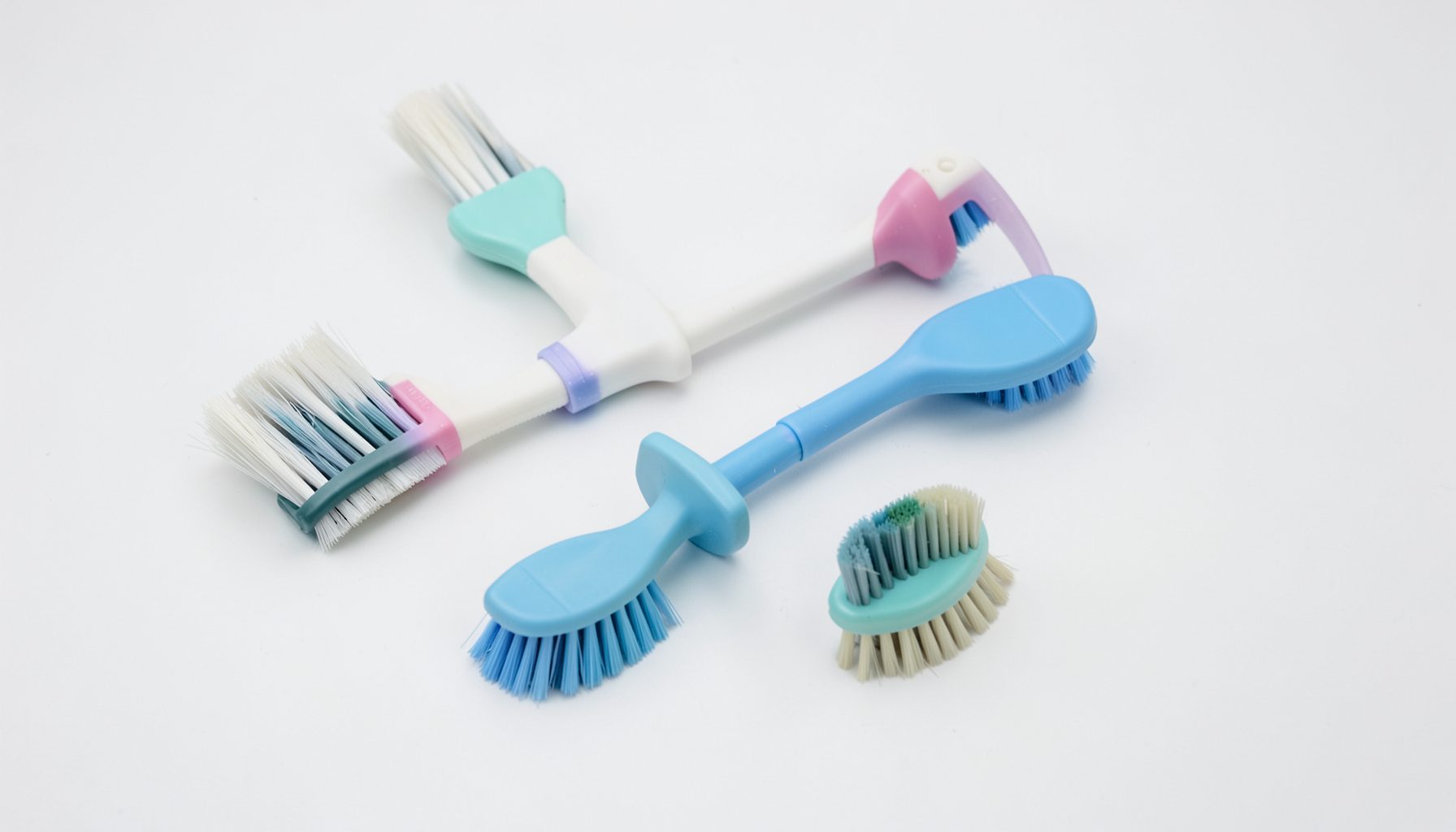
Switch nostrils and repeat. After use, rinse the bottle and let it air dry. Use ResQRinse Premium Cleaning Brushes for thorough cleaning.
How to rinse with a partial sinus blockage without causing pain
A partially blocked nose can make sinus irrigation feel intimidating. When one nasal passage is narrowed by swelling, thick mucus, allergies or a mild sinus infection, forcing saline through it may create pressure rather than relief. The aim is a gentle rinse that loosens mucus without pushing fluid hard against inflamed tissue.
Nasal irrigation can help wash away allergens, dust and excess mucus, especially during pollen season or after exposure to smoke. In Australia, dry weather in Adelaide and Perth, grass pollen around Melbourne, and bushfire smoke in several states can all irritate the nasal lining. A careful routine matters more when the nose is already tender.
The safest approach combines the right fluid, a low-pressure technique and patience. A squeeze-bottle system with a soft nasal tip can be easier to control than a traditional neti pot, provided it is used according to the product directions. Stop if pain develops, and seek medical advice when blockage is severe, one-sided or persistent.
Check whether irrigation is suitable
A partial blockage usually means some air can still move through the affected nostril. You may notice congestion that changes sides, reduced smell, facial fullness or mucus that is difficult to clear. These symptoms can sometimes respond well to a saline rinse, but a completely sealed passage should not be treated by increasing pressure.
Do not rinse if you have intense facial pain, frequent nosebleeds, recent nasal or sinus surgery, an ear infection, or a condition that makes pressure changes unsafe unless a doctor has advised you to do so. Children need close supervision and an age-appropriate product. For babies and very young children, ask a GP or pharmacist about safer options rather than improvising with an adult irrigation bottle.
Pause and arrange medical care if symptoms include swelling around the eyes, vision changes, a high fever, severe headache, neck stiffness or rapidly worsening illness. Green or yellow mucus by itself does not always mean antibiotics are needed, but symptoms that continue or deteriorate deserve assessment.
Prepare safe saline and water
Use the correct saline packet mixed with the volume of water stated on the label. The solution should be comfortably lukewarm, not hot or cold. Water that is too salty may sting, while water that is too weak can feel irritating and may increase nasal swelling. If a packet is unavailable, follow a reliable medical recipe rather than guessing at the amounts of salt and bicarbonate.
Tap water may be treated for drinking, yet it is not sterile. For sinus rinsing, use distilled or sterile water, or boil tap water and allow it to cool before mixing the saline. The water safety guidance explains why ordinary untreated water should not go directly into a nasal irrigation device.
Australia’s water quality varies by local supply and conditions, and household plumbing can affect what comes from the tap. A boil-water notice must always be followed. Keep distilled water sealed until needed, and never use water from a rainwater tank, dam, creek or drinking bottle that has been opened and stored for an unknown period.
Open the nose before rinsing
Trying to rinse immediately after walking into cold air or during a severe allergy flare can make the process uncomfortable. Sit in a warm bathroom for a few minutes, breathe gently through the mouth and blow the nose softly. A warm shower may loosen surface mucus, although very hot steam can irritate the lining or worsen light-headedness.
If your doctor or pharmacist has recommended a nasal steroid spray or another treatment, use it as directed rather than adding extra doses before irrigation. Many people find that rinsing first and using a prescribed spray afterward helps the medicine contact the nasal lining, but the correct timing depends on the product and your condition.
Tilt your head slightly forward over a sink, keeping the forehead level with or a little higher than the chin. Turn the head only a little to the side. Leaning too far back can send saline towards the throat, while twisting sharply may increase pressure around the ears.
Use gentle pressure and stop early
Place the nozzle just inside the more open nostril without forcing it into place. Keep your mouth open and breathe through it. Squeeze slowly with steady, light pressure, allowing saline to flow through the nasal passages and out of the other nostril or mouth. It is normal for some fluid to travel backwards, but it should not feel as if it is being driven forcefully into the face.
With a partial blockage, begin with a small amount rather than trying to empty the whole bottle. If the flow stops, release the squeeze, remove the nozzle and wait. Blow gently afterwards, one nostril at a time. Hard nose blowing can irritate swollen tissue and send pressure towards the ears.
Pain, sharp pressure, ear fullness, dizziness or a burning sensation means the rinse should stop. Mild tingling may occur with an irritated lining, but persistent stinging suggests that the saline concentration or temperature is wrong. Do not compensate for poor flow by squeezing harder; a blocked passage may need time, medical treatment or examination.
Choose equipment you can control
A squeeze-bottle rinse system gives the user direct control over speed and pressure. That can be useful when one side is narrowed, because the flow can be stopped immediately. A traditional neti pot relies more on gravity and head position, which some people prefer, although it may be harder to manage when congestion prevents a smooth passage.
Products designed for children generally use smaller volumes and different handling instructions. Do not share a bottle, nozzle or nasal tip between family members. In a household in Sydney or Brisbane, where several people may have seasonal allergies at the same time, each person should have a clean, individually assigned device.
After each use, empty the bottle, wash it with clean water and detergent as directed, and allow every part to air-dry fully. Use the supplied cleaning brush when appropriate, replace worn components and follow the manufacturer’s instructions. The ResQRinse approach includes systems and accessories intended to make nasal care easier to perform consistently.
Australian consumers can compare nasal rinse kits through major online marketplaces such as Amazon Australia and other local retailers, while some pharmacies stock saline sprays and packets. Check the packaging, intended age range and care instructions before buying. Medical devices and therapeutic products sold in Australia should be used in line with their label and any advice from a healthcare professional.
Adjust the routine for allergies and infections
For allergy-related congestion, a rinse may be most useful after outdoor exposure, gardening or time in a dusty room. This can be particularly relevant during grass pollen periods in Canberra and Melbourne, or after windy days in inland areas. Change clothes, wash the face and keep windows closed when local pollen or smoke levels are high if those measures are part of your allergy plan.
When mucus is thick, one gentle rinse may be enough to soften it. Repeating the process immediately can leave the lining sore. Follow the product directions for frequency, and reduce or pause use if dryness, bleeding or worsening irritation develops. Saline mist can be a milder option between irrigations, although it does not flush mucus as thoroughly as a rinse.
Congestion caused by a cold often improves over several days. Sinus symptoms lasting more than about ten days, symptoms that improve and then become worse, recurrent one-sided blockage, or repeated facial pain should be discussed with a GP. A pharmacist in Australia can provide advice for minor symptoms, but decongestant sprays should not be used longer than directed because overuse can cause rebound congestion.
A partial blockage should be approached with less force, not more. Use safe water and correctly mixed saline, start on the clearer side, keep the head slightly forward, and let the solution move at its own pace. If the passage will not open gently or the rinse causes pain, stop and obtain medical advice rather than continuing to push through it.
Choose a nasal irrigation system that is easy to hold, clean and control, and keep sterile or boiled-and-cooled water available for the next rinse. Follow the label, supervise children closely and speak with a GP or pharmacist when symptoms are severe, prolonged or unusual.