ResQRinse is the nasal irrigation squeeze bottle that eliminates head-tilting and awkward neck positions. Using proprietary Nasal Lock™ technology, it delivers a comfortable, gag-free sinus cleanse — no more saline dripping down your throat.

Relief From Fall Sneezes
Now sold on Walmart.com. Free shipping on orders $30+. Try ResQRinse today with your everyday purchases.
Shop at WalmartWhy ResQRinse?
Nasal rinsing helps relieve congestion from colds, allergies, sinusitis, hay fever, and environmental pollutants. ResQRinse makes it comfortable enough to become a daily habit.
Nasal Lock™ Technology
Isolates sinuses from the throat using natural choanal occlusion — like inflating a balloon — so saline stays where it belongs.
Learn more →
Drug-Free Relief
Uses premixed saline packets with distilled water. No medications, no preservatives — just a natural cleanse for your nasal passages.
How to rinse →
For Kids Too
ResQRinse for Kids features a comfort nasal tip right-sized for smaller nostril openings, making rinsing gentle and easy for children.
Shop kids' version →
Breath-Controlled Flow
You control the saline flow with your own breath pressure — high volume, low pressure irrigation that's comfortable and effective.
Watch how-to videos →
Better Compliance
Designed to overcome the gagging and discomfort that cause people to abandon traditional neti pots and nasal rinse systems.
Our story →
Complete Kits Available
From the basic ResQRinse Nasal Rinse System ($19.99) to 90-day complete kits, saline packets, cleaning brushes, and Sinoptim Nasal Mist.
Browse all products →Get Started with ResQRinse
Ready to experience a better nasal rinse? Fill out the form below and we'll help you find the right product — or follow the simple steps to begin rinsing today.
Request More Information
How to Use ResQRinse
Fill the Bottle
Fill the ResQRinse squeeze bottle with distilled or previously boiled water and add one premixed saline packet.
Position the Tip
Place the comfort tip gently against one nostril. No head-tilting or awkward neck angles needed.
Squeeze & Breathe
Squeeze the bottle gently while breathing through your mouth. Nasal Lock™ keeps saline in your nasal passages and out of your throat.
Repeat & Clean
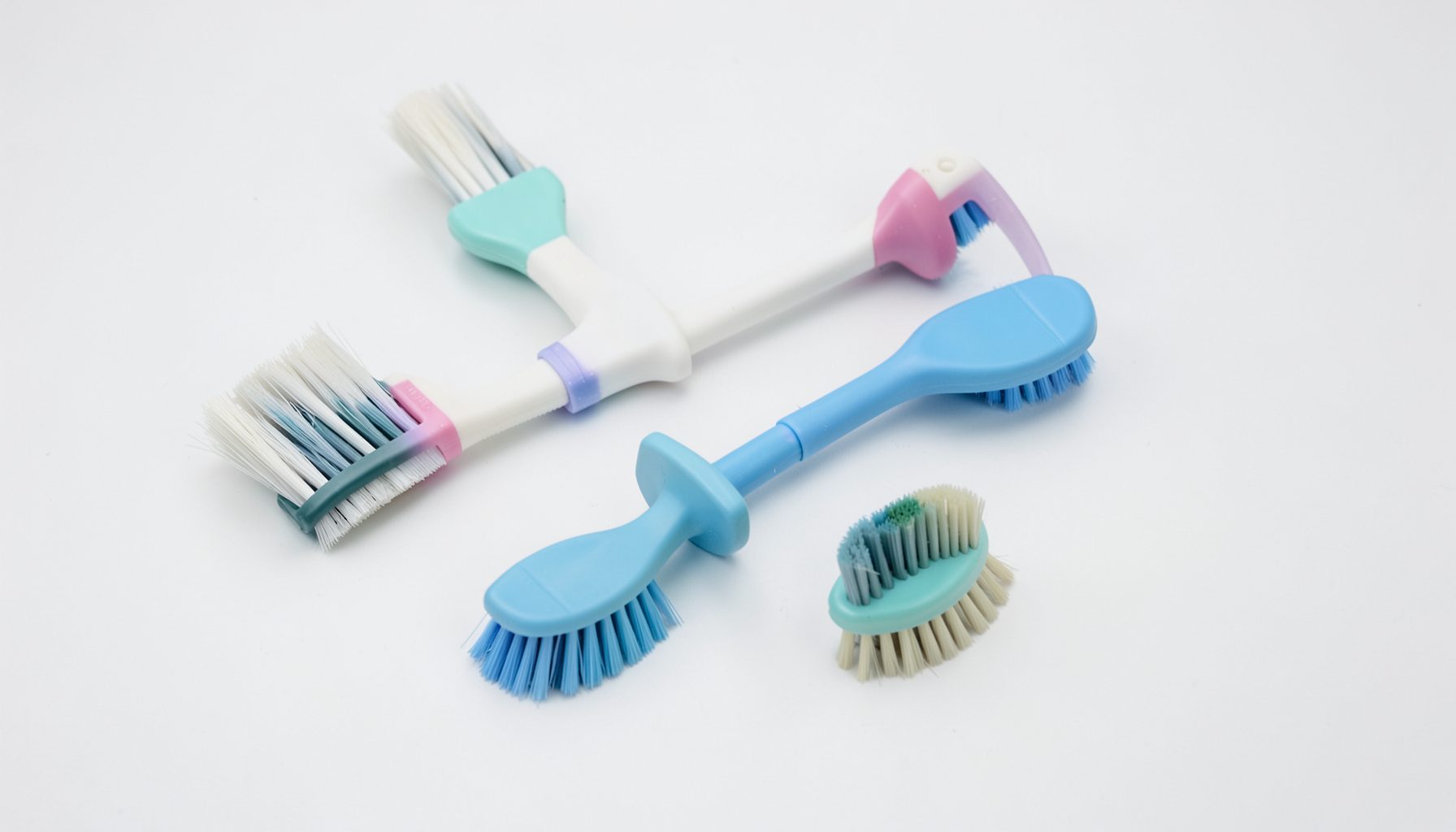
Switch nostrils and repeat. After use, rinse the bottle and let it air dry. Use ResQRinse Premium Cleaning Brushes for thorough cleaning.
How to Rinse After Second-Hand Smoke at Social Events
A smoky evening can leave your nose feeling dry, blocked, itchy or unusually runny. This may happen after sitting near smokers outside a pub, spending time around a barbecue, or attending a footy, cricket or music event where smoke drifts through the crowd. Second-hand smoke contains particles and chemicals that can irritate the lining of the nose and upper airways.
A saline nasal rinse can help wash away mucus, dust and some irritant particles after exposure. It does not reverse the effects of inhaled smoke or prevent every respiratory problem, but it may make your nose feel cleaner and more comfortable. Rinsing is especially useful when smoke exposure is combined with pollen, dry air or seasonal allergies.
The safest approach is gentle and hygienic. Use the correct saline mixture, choose safe water, clean the device after each use and stop if you experience pain or bleeding. A rinse should feel soothing rather than forceful. If your symptoms involve breathing difficulty, chest tightness or persistent coughing, nasal irrigation is not a substitute for medical care.
For Australian households, ready-made saline sachets and nasal irrigation kits are commonly found online and through pharmacies such as Chemist Warehouse or Priceline, while product availability can vary by state and retailer. A squeeze-bottle system such as ResQRinse nasal care can be kept at home for use after smoky social occasions, provided the instructions are followed carefully.
Why Smoke Can Irritate Your Nose
Tobacco smoke can inflame the delicate tissues inside the nose. The result may be congestion, sneezing, a scratchy throat, excess mucus or a sensation that your sinuses are “full”. Smoke can also dry the nasal passages, making existing hay fever or sinus symptoms feel more noticeable.
Outdoor areas are not automatically smoke-free. At an alfresco table in Melbourne, near a designated smoking area outside a Brisbane venue, or along a crowded festival entry line in Sydney, smoke can move unpredictably with the breeze. Even a short exposure may bother people who have asthma, allergic rhinitis or sensitive airways.
A saline rinse works through physical cleansing and moisture. It can loosen thick mucus and help clear irritants from the nasal passages, but it cannot remove smoke from the lungs. People who have been exposed to heavy smoke, including bushfire smoke across parts of Australia, should also reduce further exposure and monitor their breathing.
Rinsing should wait until you are in a clean, comfortable place. Doing it immediately beside a smoky beer garden or in a venue bathroom may be unpleasant and makes it harder to prepare the solution hygienically.
Prepare Safely Before Rinsing
Wash your hands first and inspect the bottle, nozzle or nasal cup. Use a saline sachet designed for nasal irrigation, rather than plain tap water. Plain water can sting because it does not match the salt concentration of nasal fluids. Follow the packet directions and do not add extra salt, essential oils, antiseptics or other ingredients.
Water safety matters. Use sterile or distilled water, or tap water that has been boiled and allowed to cool according to Australian health guidance. Do not use hot water, water from an untreated tank, or water collected from a rainwater system unless it has been made safe for nasal use. When travelling through regional areas or camping near the coast, bring suitable water with you instead of relying on an uncertain source.
Prepare the rinse when you are ready to use it and check that the temperature is lukewarm. A solution that feels hot can injure irritated tissue, while cold water may cause discomfort. If the mixture burns sharply, stop, empty the device and prepare a fresh solution with the correct proportions.
People with a completely blocked nose may find that fluid does not pass comfortably. A rinse should also be delayed after recent nasal surgery unless the treating specialist has approved it. Children need close supervision and an age-appropriate product.
Use a Gentle Technique
Lean over a sink and tilt your head slightly to one side while keeping your mouth open and breathing through it. Place the nozzle gently against the upper nostril without pushing it deeply inside. Squeeze slowly so the saline flows through the nasal passage and drains from the other nostril or mouth.
Some systems use a Nasal Lock design to help create a comfortable seal around the nostril. This can make the process easier for beginners than balancing and tipping a traditional neti pot. The goal is controlled flow, not pressure. If your ears feel full, your face hurts or the solution will not pass, stop squeezing and reassess your position.
Repeat on the other side with the remaining solution. You may need to blow your nose softly afterwards, one nostril at a time. Avoid forceful nose blowing, which can increase pressure around the ears and sinuses. A gentle rinse after returning from a smoky gathering is generally enough; repeated rinsing throughout the night can add to dryness.
For children, use a product made for their age and supervise every step. A child may be more comfortable with a smaller bottle and a slower flow. Never force a rinse when a child is frightened, coughing or resisting, and seek advice from a pharmacist or GP if symptoms continue.
Practical Aftercare Steps
Rinsing removes mucus and particles, but the device itself also needs attention. Empty leftover solution, wash the bottle and nozzle as directed, and allow all parts to air-dry completely. Moisture left inside a closed bottle can encourage microbial growth. Replace worn, cracked or cloudy parts rather than continuing to use them.
If your nose feels dry after exposure to smoke, focus on hydration and cleaner air rather than increasing the frequency or strength of rinses. A saline mist may be more suitable between full irrigations. Keep away from smoke for the rest of the evening where possible, and change clothes or shower if smoke odour and residue remain on your skin and hair.
Useful habits after a smoky social event include:
- Rinse when you are home and away from the source of irritation.
- Use a fresh saline mixture every time and discard unused solution.
- Wash and air-dry the device after each use.
- Keep saline sachets and safe water available when travelling.
- Avoid vaping, cigarette smoke and strong fragranced sprays while your nose settles.
If you are comparing products, read the cleaning instructions and check whether replacement sachets are easy to obtain in Australia. The ResQRinse product information explains the system’s intended use and features, while a pharmacist can help you choose between a full irrigation bottle, children’s version or saline mist.
Know When to Seek Medical Advice
A mild blocked or irritated nose should usually settle after leaving the smoky environment and using supportive care. Seek urgent help if you develop difficulty breathing, wheezing, chest pain, confusion, faintness or blue lips. In Australia, call Triple Zero (000) for severe or rapidly worsening symptoms. People with asthma should follow their personal action plan and use prescribed medication as directed.
Arrange medical advice if congestion, facial pain, fever, thick discharge, recurrent nosebleeds or a reduced sense of smell persists. Smoke can aggravate asthma, chronic sinusitis and allergic rhinitis, so repeated symptoms after pub nights, barbecues or sporting events deserve attention rather than constant self-treatment.
Tell your GP or pharmacist about regular medicines and health conditions before adding products to your routine. This includes treatment for asthma, allergies, high blood pressure or sexual health concerns; for unrelated online material, treat sites such as sexual health information cautiously and rely on a qualified Australian clinician or pharmacist for medicine advice.
Nasal irrigation is a practical comfort measure, not a way to make smoky environments safe. Choose smoke-free seating when possible, move away from drifting fumes and support venues that follow Australian smoke-free laws. After the event, a clean saline rinse, safe water and careful device hygiene can help your nose recover without adding further irritation.