ResQRinse is the nasal irrigation squeeze bottle that eliminates head-tilting and awkward neck positions. Using proprietary Nasal Lock™ technology, it delivers a comfortable, gag-free sinus cleanse — no more saline dripping down your throat.

Relief From Fall Sneezes
Now sold on Walmart.com. Free shipping on orders $30+. Try ResQRinse today with your everyday purchases.
Shop at WalmartWhy ResQRinse?
Nasal rinsing helps relieve congestion from colds, allergies, sinusitis, hay fever, and environmental pollutants. ResQRinse makes it comfortable enough to become a daily habit.
Nasal Lock™ Technology
Isolates sinuses from the throat using natural choanal occlusion — like inflating a balloon — so saline stays where it belongs.
Learn more →
Drug-Free Relief
Uses premixed saline packets with distilled water. No medications, no preservatives — just a natural cleanse for your nasal passages.
How to rinse →
For Kids Too
ResQRinse for Kids features a comfort nasal tip right-sized for smaller nostril openings, making rinsing gentle and easy for children.
Shop kids' version →
Breath-Controlled Flow
You control the saline flow with your own breath pressure — high volume, low pressure irrigation that's comfortable and effective.
Watch how-to videos →
Better Compliance
Designed to overcome the gagging and discomfort that cause people to abandon traditional neti pots and nasal rinse systems.
Our story →
Complete Kits Available
From the basic ResQRinse Nasal Rinse System ($19.99) to 90-day complete kits, saline packets, cleaning brushes, and Sinoptim Nasal Mist.
Browse all products →Get Started with ResQRinse
Ready to experience a better nasal rinse? Fill out the form below and we'll help you find the right product — or follow the simple steps to begin rinsing today.
Request More Information
How to Use ResQRinse
Fill the Bottle
Fill the ResQRinse squeeze bottle with distilled or previously boiled water and add one premixed saline packet.
Position the Tip
Place the comfort tip gently against one nostril. No head-tilting or awkward neck angles needed.
Squeeze & Breathe
Squeeze the bottle gently while breathing through your mouth. Nasal Lock™ keeps saline in your nasal passages and out of your throat.
Repeat & Clean
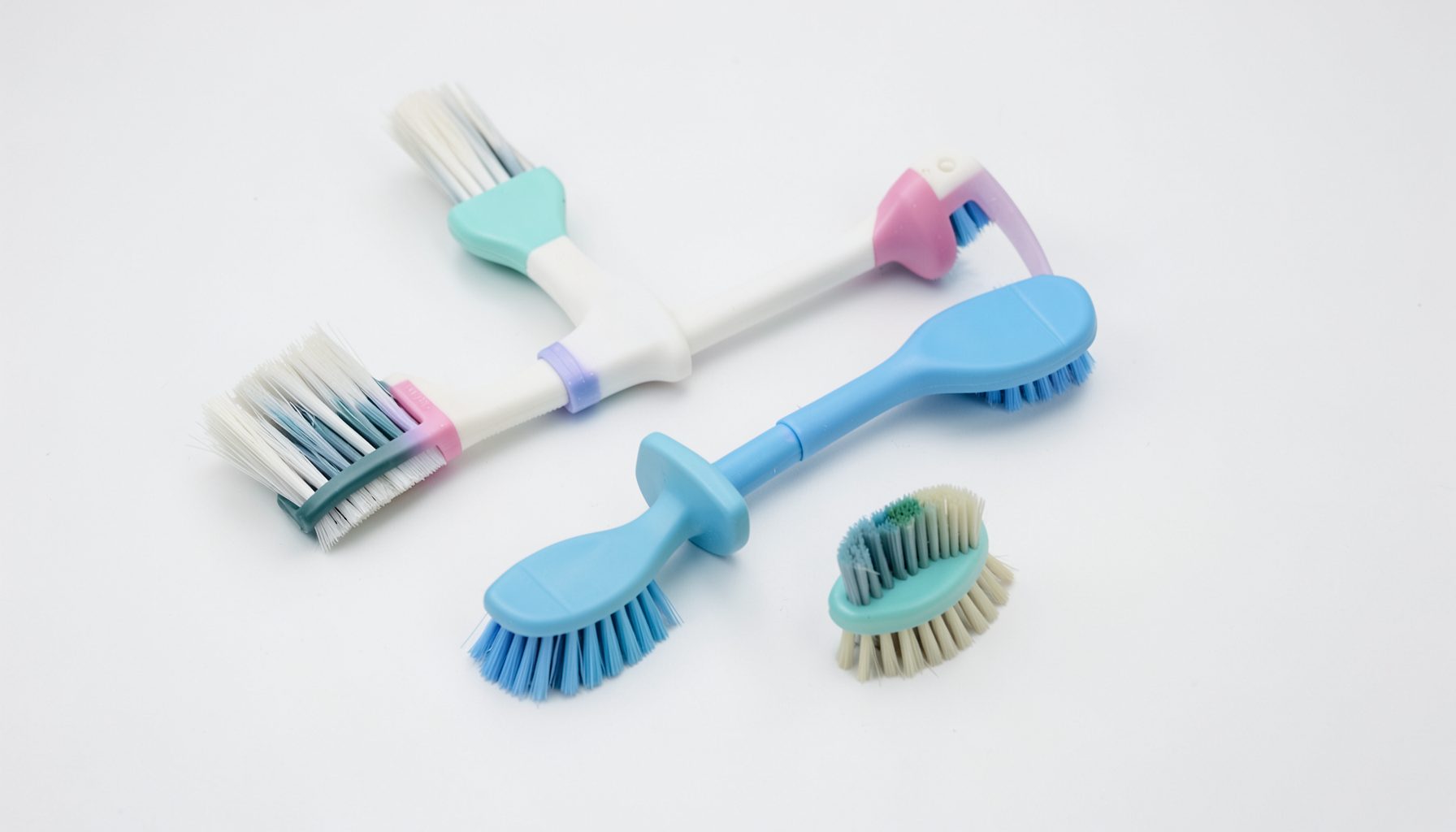
Switch nostrils and repeat. After use, rinse the bottle and let it air dry. Use ResQRinse Premium Cleaning Brushes for thorough cleaning.
How to prevent ear pain when rinsing with a blocked Eustachian tube
The eustachian tube connects the middle ear to the back of the nose and throat. Its job is to let air in and drain fluid out, keeping pressure balanced on both sides of the eardrum. A cold, allergies or sinus inflammation can swell the lining, prevent it opening properly and leave you with ear fullness, popping or pain.
Most problems during nasal irrigation come from rushing or using too much pressure. Gentle flow, the right water and saline solution, and an early pause when your ear feels different are the foundations of comfortable rinsing. If pain is already present or hearing changes, a pharmacist or GP should guide you before you try again.
Why ear pressure can flare up
A blocked eustachian tube is usually an opening problem caused by swollen nasal and throat tissues, rather than a tube that needs to be flushed out. Irrigation may reduce swelling around the nose, but it does not directly clear the tube or treat an established middle-ear infection.
During a rinse, saline passes over the nasal lining towards the nasopharynx, right beside the eustachian openings. Congestion narrows the drainage path, so forceful irrigation can make you feel pressure or cause fluid to irritate the ear opening. A blocked tube may also be unable to equalise pressure created by swallowing or by the rinse itself.
Feeling full after a rinse does not prove that fluid has entered the middle ear. Nevertheless, ongoing pain, especially with fever or hearing changes, needs assessment. The safest way to prevent ear pain is to keep the flow controlled rather than trying to force fluid through a swollen tube.
In children, the signs can be less specific. A child who repeatedly pulls at the ear, has disturbed sleep or develops ear pain after a cold should be assessed, especially if symptoms follow an irrigation session. Treat discomfort during the rinse as a signal to stop, not as proof that the tube has been cleared.
Prepare safely before you rinse
Choose a device that fits the person using it and follow that model’s directions. The ResQRinse range includes squeeze-bottle systems, child-sized versions, saline packets, cleaning brushes, complete kits and nasal mist. Children need an age-appropriate system and adult supervision; do not adapt an adult bottle by improvising with its nozzle.
Use the saline supplied for the device, or another preparation whose label states it is suitable for nasal irrigation, with sterile or distilled water, or water that has been boiled and cooled according to the instructions. Never use untreated tap water. Room-temperature solution is often more comfortable, and adding salt or bicarbonate without the correct measurements can irritate the lining.
Check your ears before starting. If an earache, recent ear infection, drainage, hearing loss or dizziness is present, pause and seek medical advice. An unrelated medication page is not a diagnostic tool: a general page of other medication listings cannot show whether infection, fluid or pressure is responsible. Discuss treatment with a pharmacist, GP or ear, nose and throat specialist rather than applying ear drops or decongestants blindly.
Use a slow controlled flow
Start with a comfortable posture, usually leaning over a sink with the head slightly forward and turned to one side as directed. A squeeze bottle generally gives you more control over the pace of flow than a traditional neti pot. Let fluid leave the nasal passage naturally instead of holding it in the throat, and avoid forcing a seal.
Squeeze the bottle gently enough to create a steady, narrow flow. If you feel pressure, fullness or a pop, stop squeezing and allow your nose to drain. More force is not a sensible way to clear the eustachian tube; it can increase discomfort and make swelling feel worse.
Before and after rinsing, a gentle swallow or yawn may help your ears equalise because both actions open the eustachian tube. Avoid forceful nose-blowing or pushing air against closed nostrils. After the rinse, remain upright briefly if you feel drained, and do not resume until the sensation has settled.
Keep the solution and device hygienic
After each use, empty the bottle, rinse the parts with sterile or distilled water as directed, and let them air-dry in a clean, open space. Do not leave old solution inside or use a cracked bottle or distorted nozzle. ResQRinse describes its Nasal Lock design as helping keep the bottle and nozzle secure during use, so follow the assembly instructions rather than forcing the parts together. The maker’s cap and nozzle care guide explains how to remove residue without damaging the fitting.
Use fresh solution for every rinse and discard any mixture that has stood out or become contaminated. Saline packets should remain dry until use and be used within the stated period. Household salt is not an interchangeable shortcut because the concentration matters; follow the packet quantity and water volume exactly.
Wash your hands, keep the bottle and accessories out of splash zones, and do not share personal nasal equipment. A cleaning brush belongs with one user and should be rinsed and dried after use. For a child, an adult should prepare the solution, supervise the whole rinse and put everything away afterwards.
Pause when your ear needs attention
Stop rinsing and seek medical assessment if you notice any of these symptoms:
- Ear pain that is severe or rapidly worsening, especially after a head injury.
- Sudden hearing loss, severe dizziness or new facial weakness.
- Fever with significant ear pain, marked swelling, blood or pus.
- Persistent fullness, ringing or muffled hearing after a rinse.
Make the next rinse gentler with these basics:
- Use the supplied saline with sterile, distilled or boiled and cooled water.
- Test the bottle’s flow before placing it in your nose.
- Pause for pressure or popping instead of squeezing harder.
- Keep the device clean, dry between uses and out of shared reach.
Australian routines add familiar triggers. Spring pollen in Melbourne and Sydney, dry inland winds, smoky days and air-conditioned city offices can keep the nose congested for weeks. Many families also swim in the ocean or fly domestically while congested. These products are sold through online marketplaces including Amazon and Walmart, while local chemists may stock other nasal-care accessories, so check delivery and Australian labelling. The Therapeutic Goods Administration regulates medical devices here; look for clear instructions, warnings and responsible-person details. Persistent symptoms may need a GP assessment and an ENT referral, with Medicare rebates available for eligible specialist consultations.
Turn prevention into a comfortable routine
Treating the nasal cause can make future rinses easier. If allergies are the trigger, a pharmacist or GP can help you choose a management plan. Nasal irrigation may support management of sinus symptoms, but it does not replace prescribed treatment for a middle-ear infection or persistent eustachian dysfunction. If ear pain is present, get it assessed rather than using irrigation to wash it through.
Plan around activities that change pressure. If you are about to fly, deal with congestion before travel rather than waiting until descent, and ask a clinician about existing ear pain. After swimming, dry the outer ear gently and avoid inserting cotton buds. For children, keep the routine simple, use only the intended age range and stop if the child becomes distressed.
A simple record can help you and your clinician. Note the date, the saline and water used, the approximate flow, and whether pressure or pain appeared immediately or hours later. That pattern can distinguish a device-fit or technique problem from symptoms linked to infection or ongoing allergy. Seek medical review for persistent pain or hearing changes.
Make your next rinse a calm, controlled routine. Explore the ResQRinse range, select the system that suits the person using it, and follow the supplied mixing, rinsing and cleaning instructions. Start with the correct water, the intended saline and a gentle flow.