ResQRinse is the nasal irrigation squeeze bottle that eliminates head-tilting and awkward neck positions. Using proprietary Nasal Lock™ technology, it delivers a comfortable, gag-free sinus cleanse — no more saline dripping down your throat.

Relief From Fall Sneezes
Now sold on Walmart.com. Free shipping on orders $30+. Try ResQRinse today with your everyday purchases.
Shop at WalmartWhy ResQRinse?
Nasal rinsing helps relieve congestion from colds, allergies, sinusitis, hay fever, and environmental pollutants. ResQRinse makes it comfortable enough to become a daily habit.
Nasal Lock™ Technology
Isolates sinuses from the throat using natural choanal occlusion — like inflating a balloon — so saline stays where it belongs.
Learn more →
Drug-Free Relief
Uses premixed saline packets with distilled water. No medications, no preservatives — just a natural cleanse for your nasal passages.
How to rinse →
For Kids Too
ResQRinse for Kids features a comfort nasal tip right-sized for smaller nostril openings, making rinsing gentle and easy for children.
Shop kids' version →
Breath-Controlled Flow
You control the saline flow with your own breath pressure — high volume, low pressure irrigation that's comfortable and effective.
Watch how-to videos →
Better Compliance
Designed to overcome the gagging and discomfort that cause people to abandon traditional neti pots and nasal rinse systems.
Our story →
Complete Kits Available
From the basic ResQRinse Nasal Rinse System ($19.99) to 90-day complete kits, saline packets, cleaning brushes, and Sinoptim Nasal Mist.
Browse all products →Get Started with ResQRinse
Ready to experience a better nasal rinse? Fill out the form below and we'll help you find the right product — or follow the simple steps to begin rinsing today.
Request More Information
How to Use ResQRinse
Fill the Bottle
Fill the ResQRinse squeeze bottle with distilled or previously boiled water and add one premixed saline packet.
Position the Tip
Place the comfort tip gently against one nostril. No head-tilting or awkward neck angles needed.
Squeeze & Breathe
Squeeze the bottle gently while breathing through your mouth. Nasal Lock™ keeps saline in your nasal passages and out of your throat.
Repeat & Clean
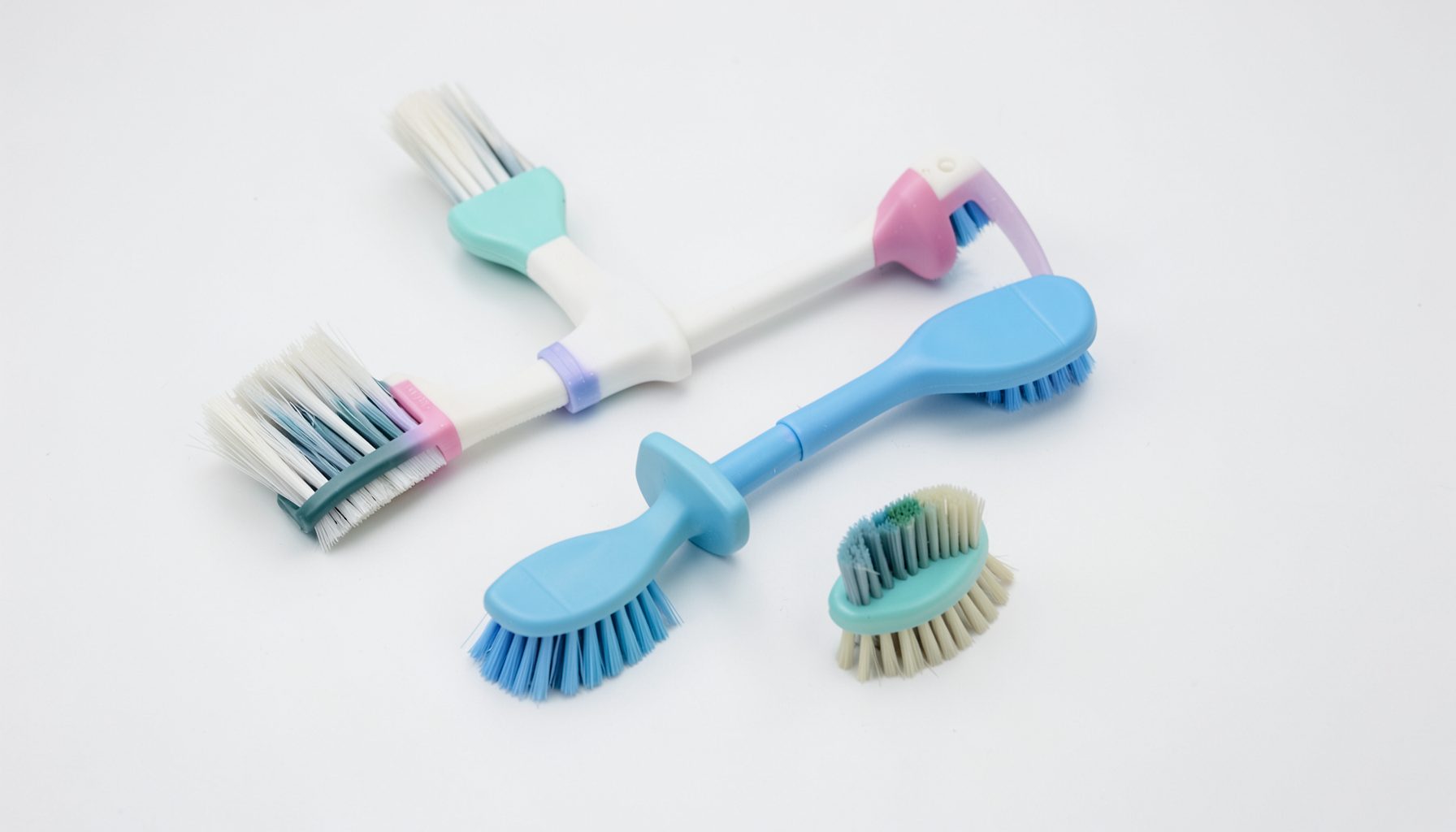
Switch nostrils and repeat. After use, rinse the bottle and let it air dry. Use ResQRinse Premium Cleaning Brushes for thorough cleaning.
How to Position Your Head for Effective Sinus Drainage
Finding the right angle can make a saline nasal rinse feel far more comfortable, especially when congestion, sinus pressure or postnasal drip leave the nasal passages sensitive. A controlled forward lean helps solution move through the rinse rather than immediately running down the throat, giving you a better chance to clear loosened mucus and breathe more freely.
The best position is not extreme bending or a dramatic head tilt. It is a steady, supported posture that keeps the neck relaxed and lets you control the flow. When the angle and technique suit your anatomy, irrigation can rinse allergens, mucus and irritants from the nose without the choking sensation that sometimes accompanies a poor setup.
Sinus drainage depends on more than one movement. Saline consistency, water quality, device fit and the presence of active infection all matter. Head position supports the rinse; it does not replace medical treatment for sinusitis or an assessment when symptoms are persistent or severe.
Why head position matters
The nose is not a straight tube. Its passages curve through the skull, and mucus can collect around the turbinates and deeper nasal openings. Tilting forward gives gravity a clearer route for saline and loosened mucus to move through the lower parts of the nose, while a backward tilt often sends more liquid straight toward the throat.
Keeping your forehead slightly lower than your chin also reduces the pressure of fluid against the back of the throat. This makes it easier to breathe through the mouth and maintain a steady squeeze. It is particularly helpful for beginners, people with sensitive noses and anyone who becomes uncomfortable when liquid runs backward.
Head position cannot remove a blockage or treat an infection by itself. It simply helps you irrigate more evenly and with less leakage. If one nostril remains tightly obstructed, a gentle rinse may soften the mucus first, but forcing saline through the narrow passage can cause pain and swelling.
The best forward-lean position
Stand or sit near a sink and lean your torso forward about 30 to 45 degrees. Tuck your chin gently toward your chest while keeping your neck free of tension. Your forehead should sit slightly lower than your chin, and your face should point diagonally toward the basin rather than straight down.
Seal one nostril with your fingers and place the bottle tip comfortably inside the other nostril. Keep your mouth open and breathe slowly through it. Start with a gentle squeeze, allowing saline to flow through the nose and out through the opposite nostril or the same nostril, depending on the design and your position.
If liquid runs down your throat, raise your head only slightly and reduce the pressure. Pause if needed, let the fluid drain, and then continue. Tilting farther sideways toward one shoulder can help align a nostril more vertically, but avoid extreme angles. The goal is a comfortable forward lean with controlled flow, not the deepest possible position.
Comfort for different routines
Compared with a traditional neti pot, ResQRinse squeeze bottles put flow control in your hand, while the Nasal Lock fitting is designed to help form a comfortable seal around the nose. The squeeze-bottle format allows you to vary the pace and stop immediately if the sensation becomes uncomfortable. Complete kits, saline packets and cleaning brushes make it easier to maintain that routine.
For children, use an age-appropriate system and have an adult assist with placement and pressure. Children may need a smaller bottle or a different approach from adults, so follow the supplied instructions rather than copying an adult technique exactly. Nasal mist can offer a gentler option when full irrigation is not suitable at that moment.
Local conditions can affect how comfortable a rinse feels. Sydney and Melbourne residents may notice more congestion during spring pollen seasons, while Brisbane’s humid summers can make mucus feel persistently thick. Perth’s dry, heated indoor air may leave the nasal lining more delicate. A measured saline rinse may be particularly useful after exposure to dust, smoke or dry air, but stop if it causes stinging or repeated nosebleeds.
A safe rinse routine
Use distilled or sterile water for nasal irrigation. If ordinary tap water is used, boil it for at least three minutes and let it cool before adding it to the device. Untreated tap water should never be used because microorganisms can cause serious infection. This precaution applies even when the water looks clean.
Add saline using the packet supplied with your system, or another product specifically intended for nasal irrigation. Mix it according to the directions and use room-temperature water. Squeeze slowly enough that the solution does not surge into the throat. Most routines can be performed once or twice daily, but follow the product instructions and any advice from your pharmacist or clinician.
Rinse the bottle thoroughly after each use and allow it to air-dry in an open position. A suitable cleaning brush can reach areas that are difficult to see, while single-use packets reduce the risk of contamination. Do not share bottles or tips, and replace a damaged or difficult-to-clean system rather than trying to make it safe through extra force.
When posture is not enough
A correctly positioned rinse may ease symptoms linked to allergies, dust, dry air or a short-term viral cold. It can also support comfort while using other treatments recommended by a healthcare professional. Saline does not remove every irritant, and symptoms caused by structural problems, polyps or chronic inflammation may need a different approach.
Seek medical advice if congestion lasts around 10 days with severe pain or fever, continues beyond about 20 days, or repeatedly returns. Facial swelling, severe headache, confusion or difficulty breathing require prompt assessment. In Australia, healthdirect’s nurse advice line is 1800 022 222, while breathing difficulty or another medical emergency should be reported to 000.
You can ask a pharmacist at Chemist Warehouse or Priceline about suitable sprays and irrigation systems, and compare listings on Amazon.com.au. Check the seller, product description, expiry dates and instructions for sterility. A polished web page is not proof that a seller is authorised, so apply the same checks to online health products and any unfamiliar remedy: confirm the active ingredient, regulatory status and need for professional advice.
Choose a comfortable squeeze bottle, keep the water safe and the pressure gentle, and make the forward-lean rinse a reliable part of your sinus-care routine. Set up beside a clean sink, use fresh saline and stop whenever the sensation becomes painful. Consistent, controlled rinsing offers a better experience than aggressive irrigation and gives your nasal passages the clearest possible path to recovery.