ResQRinse is the nasal irrigation squeeze bottle that eliminates head-tilting and awkward neck positions. Using proprietary Nasal Lock™ technology, it delivers a comfortable, gag-free sinus cleanse — no more saline dripping down your throat.

Relief From Fall Sneezes
Now sold on Walmart.com. Free shipping on orders $30+. Try ResQRinse today with your everyday purchases.
Shop at WalmartWhy ResQRinse?
Nasal rinsing helps relieve congestion from colds, allergies, sinusitis, hay fever, and environmental pollutants. ResQRinse makes it comfortable enough to become a daily habit.
Nasal Lock™ Technology
Isolates sinuses from the throat using natural choanal occlusion — like inflating a balloon — so saline stays where it belongs.
Learn more →
Drug-Free Relief
Uses premixed saline packets with distilled water. No medications, no preservatives — just a natural cleanse for your nasal passages.
How to rinse →
For Kids Too
ResQRinse for Kids features a comfort nasal tip right-sized for smaller nostril openings, making rinsing gentle and easy for children.
Shop kids' version →
Breath-Controlled Flow
You control the saline flow with your own breath pressure — high volume, low pressure irrigation that's comfortable and effective.
Watch how-to videos →
Better Compliance
Designed to overcome the gagging and discomfort that cause people to abandon traditional neti pots and nasal rinse systems.
Our story →
Complete Kits Available
From the basic ResQRinse Nasal Rinse System ($19.99) to 90-day complete kits, saline packets, cleaning brushes, and Sinoptim Nasal Mist.
Browse all products →Get Started with ResQRinse
Ready to experience a better nasal rinse? Fill out the form below and we'll help you find the right product — or follow the simple steps to begin rinsing today.
Request More Information
How to Use ResQRinse
Fill the Bottle
Fill the ResQRinse squeeze bottle with distilled or previously boiled water and add one premixed saline packet.
Position the Tip
Place the comfort tip gently against one nostril. No head-tilting or awkward neck angles needed.
Squeeze & Breathe
Squeeze the bottle gently while breathing through your mouth. Nasal Lock™ keeps saline in your nasal passages and out of your throat.
Repeat & Clean
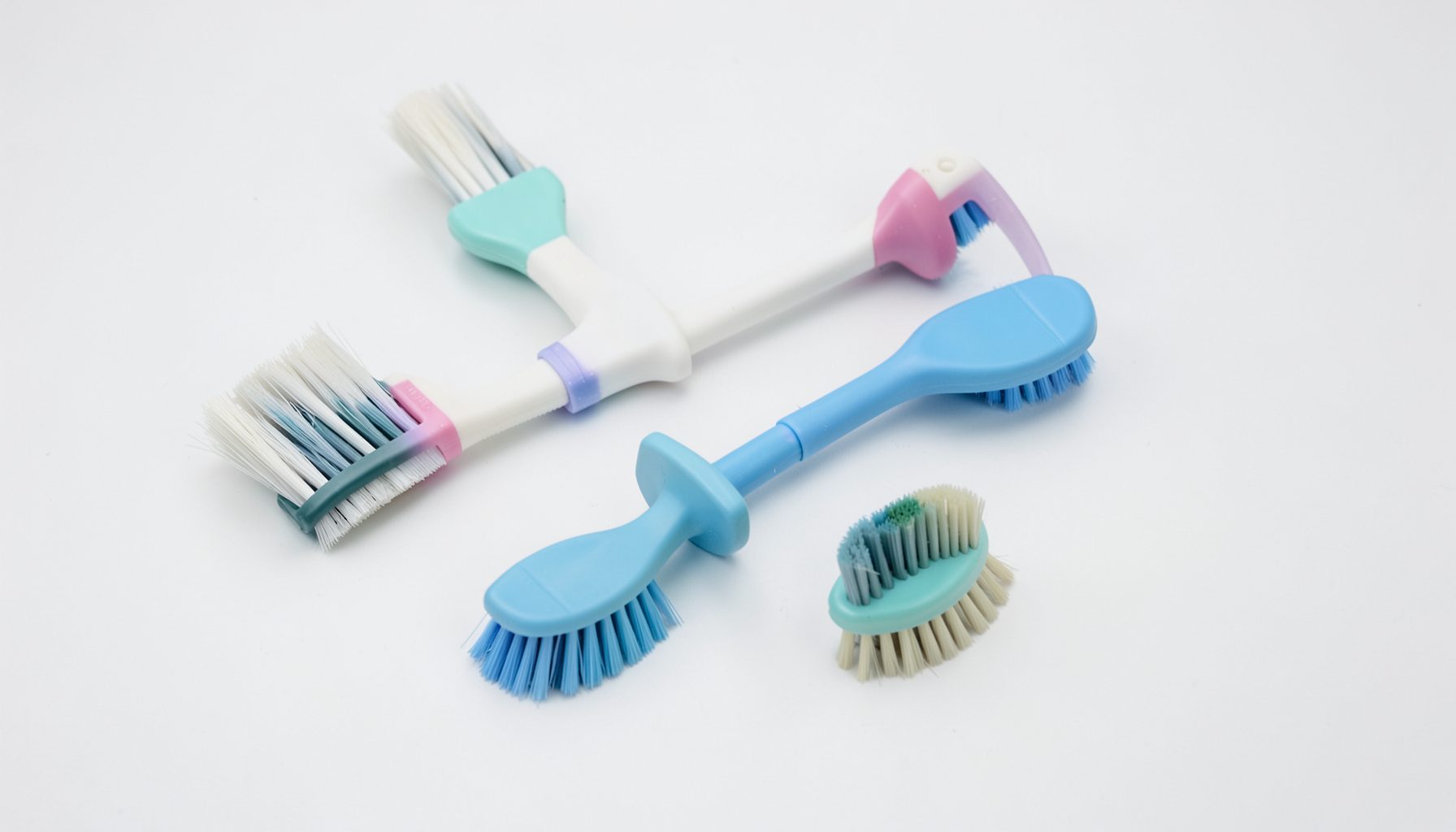
Switch nostrils and repeat. After use, rinse the bottle and let it air dry. Use ResQRinse Premium Cleaning Brushes for thorough cleaning.
Pairing Nasal Irrigation With a Humidifier for Comfortable Relief
Dry indoor air can make a blocked or irritated nose feel even more uncomfortable. Heating during a Melbourne winter, air conditioning in Brisbane, or long periods indoors during a smoky summer can reduce the moisture around your nasal passages and leave mucus feeling thick and difficult to clear.
A nasal rinse and a humidifier address different parts of the problem. Irrigation washes away mucus, pollen and other particles, while a humidifier adds moisture to the surrounding air. Used thoughtfully, the two can form a gentle routine for congestion, seasonal allergies, sinus discomfort and nasal dryness.
The order, timing and cleaning habits matter. A rinse should use safe water and the correct saline concentration, while a humidifier needs frequent emptying and cleaning to prevent the device from spreading unwanted contaminants through the room.
This guide explains how to combine nasal irrigation with humidified air, how to adjust the routine for Australian conditions, and when symptoms indicate that professional medical advice is needed.
Why Moisture Can Make Nasal Care More Comfortable
The nose naturally warms, filters and humidifies each breath. When indoor air is very dry, the nasal lining may become irritated, crusty or more sensitive. Thick mucus can also be harder to move, which may contribute to a sensation of pressure or blockage.
A saline rinse helps by flushing the nasal passages with a balanced solution. It can loosen secretions and remove airborne irritants from the surface of the nose. A humidifier does not wash the passages, but it can make the air more comfortable to breathe, particularly overnight or in rooms affected by heating or cooling.
Moisture is not automatically better at higher levels. Excess humidity can encourage mould and dust mites, which may aggravate allergy symptoms. The aim is comfortable, moderate humidity rather than a steamy room. A simple room hygrometer can help you monitor conditions instead of relying on guesswork.
Set Up the Humidifier Safely
Place the humidifier on a stable, elevated surface where mist cannot wet bedding, carpet, books or electrical equipment. Keep it a short distance from the bed rather than directing mist straight at your face. In a child’s room, position it well beyond reach and avoid warm-mist units that could cause burns if knocked over.
Use the water recommended by the manufacturer. Many cool-mist devices work best with distilled or demineralised water, while some models specify filtered water. In Australia, tap-water mineral content varies between locations, so follow the appliance instructions and watch for white dust or scale around the unit.
Empty the tank each day, rinse it and allow it to dry when possible. Clean the reservoir and other removable parts according to the manufacturer’s schedule. A stale smell, visible film or scale is a sign that the device needs attention before it is used again. Never add essential oils, medicines or saline solution unless the humidifier is specifically designed for them.
Use Nasal Irrigation Before Bedtime
For many people, the most comfortable sequence is to use the nasal rinse first and the humidifier afterwards. Irrigation clears mucus and allergens from the nasal passages, then the humidified room provides gentler air while the nose settles. An evening routine can be especially useful when congestion interferes with sleep.
Prepare the saline solution exactly as directed on the packet. Use sterile, distilled or previously boiled water that has cooled to a safe temperature; do not use untreated tap water in a nasal irrigation device. Wash your hands before preparing the rinse, and do not share the bottle or nozzle with other household members.
A squeeze-bottle system can offer controlled flow and may feel easier to manage than a traditional neti pot. ResQRinse systems use Nasal Lock technology to help create a comfortable seal around the nostrils, although pressure should always remain gentle. Stop if you experience sharp pain, persistent ear pressure, significant bleeding or worsening symptoms.
Build A Routine Around Local Conditions
Australian weather can change the ideal timing of your routine. During a dry winter in Canberra or inland New South Wales, indoor heating may make a bedtime humidifier useful. In tropical or subtropical areas such as Darwin and Brisbane, the air may already be humid, so running a humidifier could add too much moisture. Check the room rather than assuming it needs more.
Pollen exposure also differs by season and location. A rinse after spending time outdoors may help remove particles from the nasal passages, especially during high-pollen periods in cities such as Melbourne or Sydney. For more information about seasonal symptoms, read this summer hay fever advice before changing your allergy routine.
Avoid using a humidifier as a substitute for ventilation or treatment of an underlying condition. If a room feels damp, windows regularly collect condensation, or mould is visible, focus on reducing excess moisture instead. People with asthma, significant allergies or chronic sinus symptoms may benefit from an individual plan from a GP or pharmacist.
Match The Rinse To Your Household
Adults may prefer a larger squeeze bottle for a full rinse, while children need a product designed for their age, size and ability to cooperate. Never force a rinse when a child is distressed. A parent or carer should supervise use, explain the process calmly and follow the product’s age guidance.
A complete kit may be convenient when you want the bottle, saline packets and cleaning accessories together. Replacement saline sachets can also make travel or busy mornings easier, while nasal mist may suit occasions when a full rinse is impractical. Product choice should reflect comfort, frequency of use and the symptoms being managed.
Before purchasing, check delivery options and stock for your location through the ResQRinse rinse systems range. Australian customers ordering online should also check the seller’s instructions, shipping details and water-safety guidance rather than assuming every rinse product is used in the same way.
Practical Habits For Cleaner, Calmer Air
Small habits help the two devices work together without creating extra irritation. Keep the rinse bottle clean and completely dry between uses, replace it when the manufacturer recommends, and store saline packets in a dry place. Do not use a solution that has been left sitting in the bottle.
A humidifier should support your routine, not run continuously by default. Use it when the room is dry, monitor the humidity, and turn it off if condensation develops. If you are uncertain whether a symptom is caused by dryness, allergy, infection or another condition, a pharmacist or GP can help you choose an appropriate approach.
- Rinse with safe, sterile, distilled or cooled boiled water and freshly prepared saline.
- Use the nasal rinse before sleep or after outdoor exposure, rather than immediately after turning on the humidifier.
- Keep indoor humidity moderate and use a hygrometer where practical.
- Empty and clean the humidifier daily, following the appliance manufacturer’s instructions.
- Stop and seek medical advice for severe pain, recurrent nosebleeds, high fever, facial swelling or symptoms that persist or worsen.
A nasal rinse paired with carefully controlled humidified air can make dry, congested periods easier to manage, especially when heating, air conditioning or seasonal pollen is affecting comfort. Start with a gentle rinse, keep both devices clean and adjust the humidifier to the actual conditions in your room.
For reassurance about how other people use nasal care products, you can browse these customer experiences. Then choose a routine that fits your household, local climate and medical needs, using professional advice when symptoms are persistent or severe.