ResQRinse is the nasal irrigation squeeze bottle that eliminates head-tilting and awkward neck positions. Using proprietary Nasal Lock™ technology, it delivers a comfortable, gag-free sinus cleanse — no more saline dripping down your throat.

Relief From Fall Sneezes
Now sold on Walmart.com. Free shipping on orders $30+. Try ResQRinse today with your everyday purchases.
Shop at WalmartWhy ResQRinse?
Nasal rinsing helps relieve congestion from colds, allergies, sinusitis, hay fever, and environmental pollutants. ResQRinse makes it comfortable enough to become a daily habit.
Nasal Lock™ Technology
Isolates sinuses from the throat using natural choanal occlusion — like inflating a balloon — so saline stays where it belongs.
Learn more →
Drug-Free Relief
Uses premixed saline packets with distilled water. No medications, no preservatives — just a natural cleanse for your nasal passages.
How to rinse →
For Kids Too
ResQRinse for Kids features a comfort nasal tip right-sized for smaller nostril openings, making rinsing gentle and easy for children.
Shop kids' version →
Breath-Controlled Flow
You control the saline flow with your own breath pressure — high volume, low pressure irrigation that's comfortable and effective.
Watch how-to videos →
Better Compliance
Designed to overcome the gagging and discomfort that cause people to abandon traditional neti pots and nasal rinse systems.
Our story →
Complete Kits Available
From the basic ResQRinse Nasal Rinse System ($19.99) to 90-day complete kits, saline packets, cleaning brushes, and Sinoptim Nasal Mist.
Browse all products →Get Started with ResQRinse
Ready to experience a better nasal rinse? Fill out the form below and we'll help you find the right product — or follow the simple steps to begin rinsing today.
Request More Information
How to Use ResQRinse
Fill the Bottle
Fill the ResQRinse squeeze bottle with distilled or previously boiled water and add one premixed saline packet.
Position the Tip
Place the comfort tip gently against one nostril. No head-tilting or awkward neck angles needed.
Squeeze & Breathe
Squeeze the bottle gently while breathing through your mouth. Nasal Lock™ keeps saline in your nasal passages and out of your throat.
Repeat & Clean
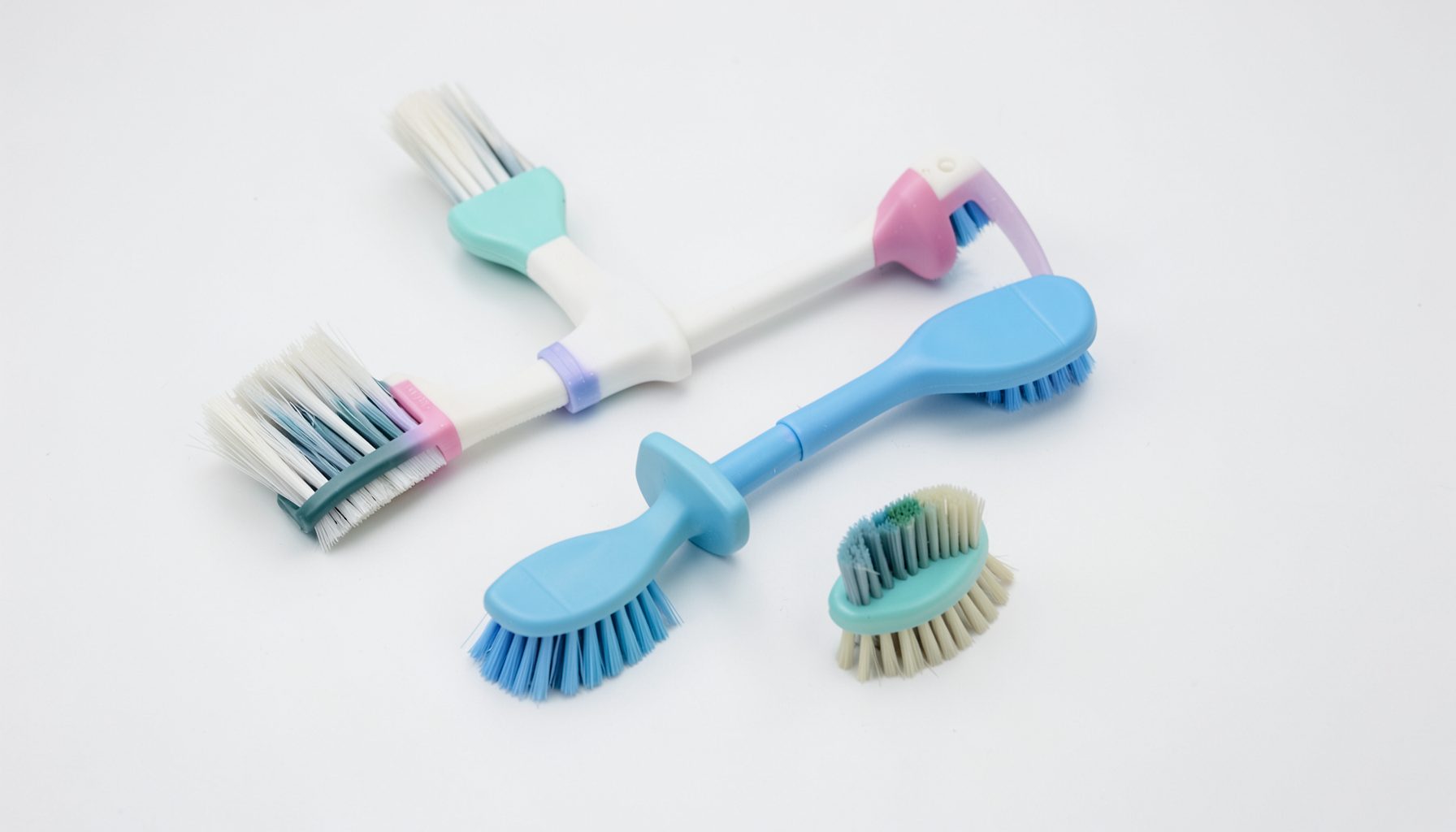
Switch nostrils and repeat. After use, rinse the bottle and let it air dry. Use ResQRinse Premium Cleaning Brushes for thorough cleaning.
A Cleaner Way to Maintain Your Nasal Rinse Kit
A nasal rinse kit works best when every part is clean, dry, and ready for the next use. Regular washing helps remove saline residue, mucus, and moisture that can collect inside a squeeze bottle, nozzle, or cap. It also supports good hygiene when the system is used frequently during allergy season or a cold.
Some nasal irrigation systems can be washed in a dishwasher, but dishwasher safety depends on the specific materials and product design. Heat, strong detergents, and high-pressure water may damage parts that are not intended for machine cleaning. Before you clean your nasal rinse kit in a dishwasher, check the packaging, care instructions, or the manufacturer’s product information.
A dishwasher can simplify cleanup when used correctly. The safest approach is to separate the components, place approved pieces on the top rack, select a suitable cycle, and allow everything to dry completely before storage.
Check The Kit Before Washing
Begin by identifying every removable component. A typical squeeze-bottle rinse system may include the bottle, cap, nasal tip, valve, tube, cleaning brush, and saline packet box. The packet itself is disposable and should never be placed in a dishwasher. Remove labels, packaging, and any loose accessories that are not part of the reusable system.
Look for dishwasher-safe markings on the bottle or packaging. If the manufacturer does not clearly approve dishwasher cleaning, hand-washing is the safer option. This is particularly important for small valves, soft silicone parts, narrow tubes, and pieces with textured seals. A dishwasher-safe bottle does not automatically mean that every attachment in the kit is dishwasher safe.
When product-specific instructions are unclear, the ResQRinse FAQs can help clarify care, use, and safety details. Following the instructions for your exact model is more reliable than assuming that two similarly shaped rinse systems can be cleaned in the same way.
Take Apart Every Reusable Component
Disassemble the kit immediately after use rather than placing it in the dishwasher as one assembled unit. Open the cap, remove the nasal tip, and separate any valve or internal tube that is designed to come out. Water and detergent cannot reliably reach trapped areas when parts remain connected.
Rinse each piece under warm running water first. This preliminary rinse helps loosen dried saline and clears mucus before the dishwasher cycle begins. If residue has hardened, soak the component in warm water for several minutes. Avoid sharp objects that could scratch plastic or enlarge a small opening.
Inspect the pieces as you take them apart. A cracked bottle, warped cap, cloudy valve, or damaged nasal tip should be replaced rather than returned to service. Small imperfections can affect the seal and may make the system harder to clean thoroughly.
Load The Dishwasher Carefully
Place approved parts on the top rack, where the temperature and water pressure are generally lower than on the bottom rack. Keep the bottle open and positioned so water can circulate inside it. Place caps, tips, and other small pieces in a dishwasher basket or secure mesh container to prevent them from falling into the filter or heating area.
Do not place nasal rinse components directly over a heating element. High heat can deform thin plastic, soften seals, or change the shape of a nasal tip. A gentle or normal cycle is usually preferable to a heavy-duty or sanitizing cycle unless the product instructions specifically permit high-temperature cleaning.
Use a mild dishwasher detergent and avoid products that contain aggressive additives, bleach, or strong fragrances. Detergent residue can remain on surfaces that contact the nose or saline solution. Do not mix reusable kit parts with heavily greasy cookware, since oils can cling to plastic and make rinsing more difficult.
| Component | Dishwasher guidance | Care after washing |
|---|---|---|
| Squeeze bottle | Use the top rack only if labeled dishwasher safe | Leave open until fully dry |
| Cap and nasal tip | Place in a basket or secure compartment | Check openings for trapped water |
| Valve or silicone seal | Wash by machine only when approved | Inspect for warping or looseness |
| Narrow tube | Confirm that heat will not deform it | Flush and air-dry separately |
| Cleaning brush | Follow its material-specific instructions | Store dry and replace when worn |
| Saline packets | Do not wash or reuse | Keep sealed and discard after use |
Choose A Safe Drying Method
The cleaning cycle is only part of nasal rinse kit maintenance. After the dishwasher stops, remove the parts and shake out excess water. Separate them again so air can reach the inside of the bottle, cap, tube, and tip. Closing or reassembling damp components can leave moisture trapped in areas that are difficult to inspect.
Place the pieces on a clean drying rack or fresh, lint-free towel. Keep the bottle inverted with its opening uncovered, and position small parts so water can drain from their openings. Allow everything to air-dry completely before reassembly. A warm, well-ventilated area is useful, but direct contact with a hot surface or prolonged exposure to intense sunlight may damage some plastics.
Do not dry the inside of the bottle with a used kitchen towel, cotton swab, or tissue that can leave fibers behind. If a part still contains droplets after an adequate drying period, continue air-drying rather than sealing the kit immediately. Clean storage is easier when every component begins dry.
When Hand-Washing Is Better
Hand-washing is the better choice for components that are not marked dishwasher safe or that contain delicate seals. Use warm water, a small amount of mild dish soap, and a dedicated bottle brush or the cleaning brush supplied with the kit. Work the brush gently through the bottle and any wide openings without scraping the plastic.
Rinse every part thoroughly under clean running water until no soap remains. Narrow tubes and valves may need several flushes. Avoid using boiling water unless the manufacturer specifically recommends it, because high heat can distort plastic and silicone just as a dishwasher can.
Hand-washing is also useful when you need to clean the kit immediately or when the dishwasher load contains strongly scented detergent. After washing, follow the same separate air-drying process used after a dishwasher cycle. A clean kit that is stored while wet still needs attention before its next use.
Recognize Parts That Need Replacement
Cleaning cannot restore a component that has become worn or damaged. Replace the bottle if it develops cracks, deep scratches, persistent cloudiness, or a poor seal. Replace a nasal tip when its surface becomes rough, split, discolored, or difficult to clean. A loose cap or leaking valve can interfere with comfortable, controlled irrigation.
Examine the kit regularly, especially if it is used by more than one person or cleaned often in a dishwasher. Repeated exposure to heat and detergent may shorten the useful life of some plastics. If a part changes shape after a cycle, stop using it until the manufacturer confirms that it remains suitable.
Never share a nasal rinse tip without following the product’s hygiene guidance, and do not use a kit that cannot be cleaned properly. For broader product updates, care information, and nasal wellness education, the ResQRinse latest news provides a useful reference point.
Build A Reliable Cleaning Routine
A simple routine makes nasal irrigation equipment easier to maintain. Rinse and disassemble the system after each use, clean it according to the material and manufacturer instructions, and dry it fully before putting it away. Dishwasher cleaning may be convenient on approved parts, while hand-washing may be more appropriate for delicate or uncertain components.
Keep the kit in a clean, dry location away from bathroom splashes and household dust. Store the bottle and attachments loosely separated when possible so air can circulate. Do not store saline packets inside a damp bottle, and always prepare irrigation solution according to the packet directions.
Use these habits to keep the system ready for comfortable use:
- Confirm dishwasher-safe instructions before placing any component in the machine.
- Rinse away saline and mucus before running a dishwasher cycle.
- Keep approved pieces on the top rack and away from the heating element.
- Dry every part completely before reassembling or storing the kit.
- Inspect bottles, valves, seals, and tips regularly for wear or damage.
A well-maintained nasal rinse system can make daily congestion and allergy care more convenient. Review the care instructions for your specific ResQRinse product, clean approved parts using a gentle dishwasher cycle or wash delicate pieces by hand, and replace anything that no longer looks or functions properly.