ResQRinse is the nasal irrigation squeeze bottle that eliminates head-tilting and awkward neck positions. Using proprietary Nasal Lock™ technology, it delivers a comfortable, gag-free sinus cleanse — no more saline dripping down your throat.

Relief From Fall Sneezes
Now sold on Walmart.com. Free shipping on orders $30+. Try ResQRinse today with your everyday purchases.
Shop at WalmartWhy ResQRinse?
Nasal rinsing helps relieve congestion from colds, allergies, sinusitis, hay fever, and environmental pollutants. ResQRinse makes it comfortable enough to become a daily habit.
Nasal Lock™ Technology
Isolates sinuses from the throat using natural choanal occlusion — like inflating a balloon — so saline stays where it belongs.
Learn more →
Drug-Free Relief
Uses premixed saline packets with distilled water. No medications, no preservatives — just a natural cleanse for your nasal passages.
How to rinse →
For Kids Too
ResQRinse for Kids features a comfort nasal tip right-sized for smaller nostril openings, making rinsing gentle and easy for children.
Shop kids' version →
Breath-Controlled Flow
You control the saline flow with your own breath pressure — high volume, low pressure irrigation that's comfortable and effective.
Watch how-to videos →
Better Compliance
Designed to overcome the gagging and discomfort that cause people to abandon traditional neti pots and nasal rinse systems.
Our story →
Complete Kits Available
From the basic ResQRinse Nasal Rinse System ($19.99) to 90-day complete kits, saline packets, cleaning brushes, and Sinoptim Nasal Mist.
Browse all products →Get Started with ResQRinse
Ready to experience a better nasal rinse? Fill out the form below and we'll help you find the right product — or follow the simple steps to begin rinsing today.
Request More Information
How to Use ResQRinse
Fill the Bottle
Fill the ResQRinse squeeze bottle with distilled or previously boiled water and add one premixed saline packet.
Position the Tip
Place the comfort tip gently against one nostril. No head-tilting or awkward neck angles needed.
Squeeze & Breathe
Squeeze the bottle gently while breathing through your mouth. Nasal Lock™ keeps saline in your nasal passages and out of your throat.
Repeat & Clean
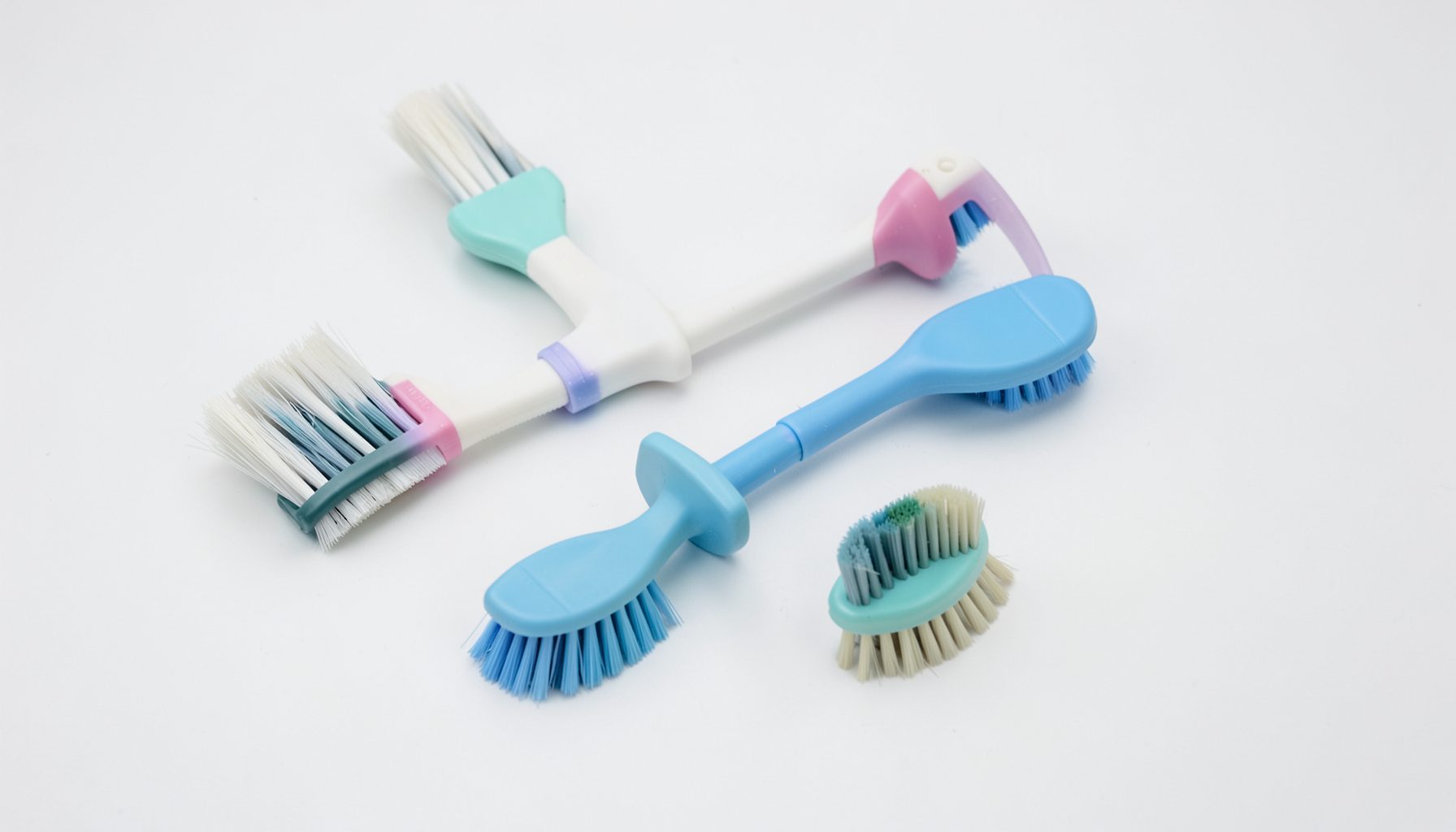
Switch nostrils and repeat. After use, rinse the bottle and let it air dry. Use ResQRinse Premium Cleaning Brushes for thorough cleaning.
How to Clean Your Bathroom Sink After Rinsing Without Stains
Many Australians start the day with a saline nasal rinse or end it by washing their face over the basin, yet few realise how those daily rituals quietly mark the porcelain. Tiny droplets carry dissolved salts, facial oils, and trace minerals that dry onto the surface, leaving a constellation of pale rings or a dull film that seems to appear overnight. Once those deposits set, they bond with the glaze and turn ordinary wiping into a losing battle.
The good news is that a clean sink does not require harsh chemicals or hours of scrubbing. A few changes to your post-rinse routine, combined with the right cleaning agents for your particular basin material, will keep the surface looking new. Brands such as ResQRinse design their squeeze bottles to deliver a controlled flow that minimises splashing, which is the first step toward a stain-free vanity.
Why nasal and facial rinses leave marks on bathroom surfaces
Every time you tip a nasal rinse or splash water across your face, microscopic droplets land on the rim, the tap base, and the inner curve of the bowl. Saline solutions contain sodium chloride, which dries to a fine crystalline film. Skin adds sebum and dead cells, while toothpaste residue or beard hair often joins the mix. Together these ingredients create a sticky layer that traps dust and gradually builds into a visible ring, particularly around the drain.
Australian bathrooms make the problem worse in certain regions. Households in western Sydney and across much of Adelaide draw water from sources rich in calcium and magnesium. When that hard water evaporates, it leaves behind the same chalky residue that builds up inside kettles. The combination of saline from your rinse and minerals from the tap is a perfect recipe for stubborn bathroom sink stains, especially on white or pale coloured porcelain.
The chemistry behind those stubborn water marks
Hard water spots are not simply dirt. They are mineral deposits, mostly calcium carbonate, that precipitate out as water evaporates. When saline from a nasal rinse joins the party, sodium chloride adds to the crust and can actually make the deposit harder to dissolve. Over time, the layer thickens and bonds to microscopic pits in the glaze, which is why an older sink shows marks more readily than a brand new one.
Humidity plays a quiet role too. Bathrooms in coastal suburbs from Brisbane to the Mornington Peninsula tend to stay damp for hours after a shower, giving minerals longer to settle into the surface. In contrast, dry inland climates allow water to flash off quickly, but the residue remains just as firmly attached. Understanding this chemistry is the key to choosing a cleaner that actually shifts the marks instead of just smearing them around.
First-line defence: habits that prevent stains from forming
The single most effective habit is also the easiest. After every nasal rinse or face wash, give the basin a quick rinse with fresh warm water and wipe it dry with a clean microfibre cloth. The cloth lifts droplets before minerals can deposit, and the rinse dilutes any saline that landed on the porcelain. A sixty-second routine saves an hour of scrubbing later.
Position matters as well. Aim the squeeze bottle or neti pot directly into the bowl rather than across the rim, and keep your face centred over the drain. The ResQRinse bottle features a directional nozzle that reduces side-spray, so fewer droplets reach the tap and benchtop in the first place. The technique is straightforward, and the demonstration videos walk through the right angle and finishing wipe. Pair this habit with a small microfibre cloth hanging from a hook beside the mirror, and you have removed the conditions that cause staining in the first place.
Choosing cleaning agents that suit Australian bathrooms
Most stains respond to gentle, acidic cleaners that dissolve mineral deposits without attacking the glaze. White vinegar is the classic choice and costs only a few dollars at any Coles or Woolworths. Warm it slightly, spray it across the marks, and let it sit for five minutes before wiping. For tougher spots, a paste of bicarb soda and a drop of dish soap provides mild abrasion without scratching.
Avoid chlorine bleach on coloured basins, as it can fade matte finishes that have become popular in recent Australian renovations. Stay away from scouring powders and steel wool on ceramic or composite stone, because they leave micro-scratches that attract even more grime next time. If your local Bunnings stocks a dedicated limescale remover for bathrooms, check the label to ensure it is safe for your particular sink material before applying.
Step-by-step deep clean for porcelain, ceramic, and stone
For a standard white porcelain or vitreous china basin, start by rinsing away loose debris. Sprinkle bicarb soda generously over the stained area, then pour on enough white vinegar to create a thick fizz. Let the reaction work for ten minutes, then scrub gently with a soft sponge in circular motions. Rinse thoroughly and buff dry with a fresh cloth. The marks should lift without any need for aggressive scrubbing.
Composite stone and matte coloured basins need a softer touch. Mix a teaspoon of dish liquid into a cup of warm water, and use a microfibre cloth to wash the entire surface. Follow up with a vinegar spray diluted one-to-one with water, leave it for two minutes, and wipe clean. Avoid letting vinegar pool on natural stone such as marble, as acid can etch the surface. Stainless steel bowls respond well to a drop of baby oil on a dry cloth, which restores shine and helps repel new water spots.
Linking sink hygiene to your broader wellness routine
A clean basin is more than a visual treat. Residual bacteria from nasal mucus or skin can survive on a damp sink surface for hours, and the next user ends up exposed to whatever the previous rinse left behind. Wiping the bowl dry after each use cuts the survival time of those microbes and keeps the family bathroom safer for everyone.
ResQRinse builds its products around this same principle. The closed-system bottle prevents backflow, the medical-grade silicone stays easy to sterilise, and the design lets you rinse without splashing the surrounding area. Users regularly mention how much easier their routine becomes once the bottle stops spraying the vanity, and you can read about their experiences in the customer testimonials. This kind of feedback shapes new product features, including the wider base on the latest kit that gives the bottle extra stability on the benchtop.
Everyday habits that keep your sink spotless
A short list of habits is often more useful than a long set of instructions. These few practices, repeated daily, will keep even the busiest family bathroom looking fresh between deeper cleans.
- Rinse the bowl with warm water immediately after every nasal or facial rinse
- Hang a dedicated microfibre cloth within arm's reach of the basin
- Wipe tapware and the rim dry after each use to prevent new spots
- Run a quick vinegar spray around the bowl once a week
- Keep a small caddy of bicarb, vinegar, and dish soap under the vanity
- Schedule a deeper clean every four weeks using the paste method
- Replace cleaning cloths monthly so they do not redeposit grime
A spotless bathroom sink is not a mystery. It is the result of a short daily habit, the right cleaning agent for your basin, and a routine that catches marks before they bond with the glaze. ResQRinse bottles are available through Walmart and Amazon, and each kit includes the cleaning brush and saline packets you need to keep the system itself hygienic. Bring home a starter set, follow the rinse-and-wipe rhythm, and your basin will stay brighter with far less effort than you might expect.