ResQRinse is the nasal irrigation squeeze bottle that eliminates head-tilting and awkward neck positions. Using proprietary Nasal Lock™ technology, it delivers a comfortable, gag-free sinus cleanse — no more saline dripping down your throat.

Relief From Fall Sneezes
Now sold on Walmart.com. Free shipping on orders $30+. Try ResQRinse today with your everyday purchases.
Shop at WalmartWhy ResQRinse?
Nasal rinsing helps relieve congestion from colds, allergies, sinusitis, hay fever, and environmental pollutants. ResQRinse makes it comfortable enough to become a daily habit.
Nasal Lock™ Technology
Isolates sinuses from the throat using natural choanal occlusion — like inflating a balloon — so saline stays where it belongs.
Learn more →
Drug-Free Relief
Uses premixed saline packets with distilled water. No medications, no preservatives — just a natural cleanse for your nasal passages.
How to rinse →
For Kids Too
ResQRinse for Kids features a comfort nasal tip right-sized for smaller nostril openings, making rinsing gentle and easy for children.
Shop kids' version →
Breath-Controlled Flow
You control the saline flow with your own breath pressure — high volume, low pressure irrigation that's comfortable and effective.
Watch how-to videos →
Better Compliance
Designed to overcome the gagging and discomfort that cause people to abandon traditional neti pots and nasal rinse systems.
Our story →
Complete Kits Available
From the basic ResQRinse Nasal Rinse System ($19.99) to 90-day complete kits, saline packets, cleaning brushes, and Sinoptim Nasal Mist.
Browse all products →Get Started with ResQRinse
Ready to experience a better nasal rinse? Fill out the form below and we'll help you find the right product — or follow the simple steps to begin rinsing today.
Request More Information
How to Use ResQRinse
Fill the Bottle
Fill the ResQRinse squeeze bottle with distilled or previously boiled water and add one premixed saline packet.
Position the Tip
Place the comfort tip gently against one nostril. No head-tilting or awkward neck angles needed.
Squeeze & Breathe
Squeeze the bottle gently while breathing through your mouth. Nasal Lock™ keeps saline in your nasal passages and out of your throat.
Repeat & Clean
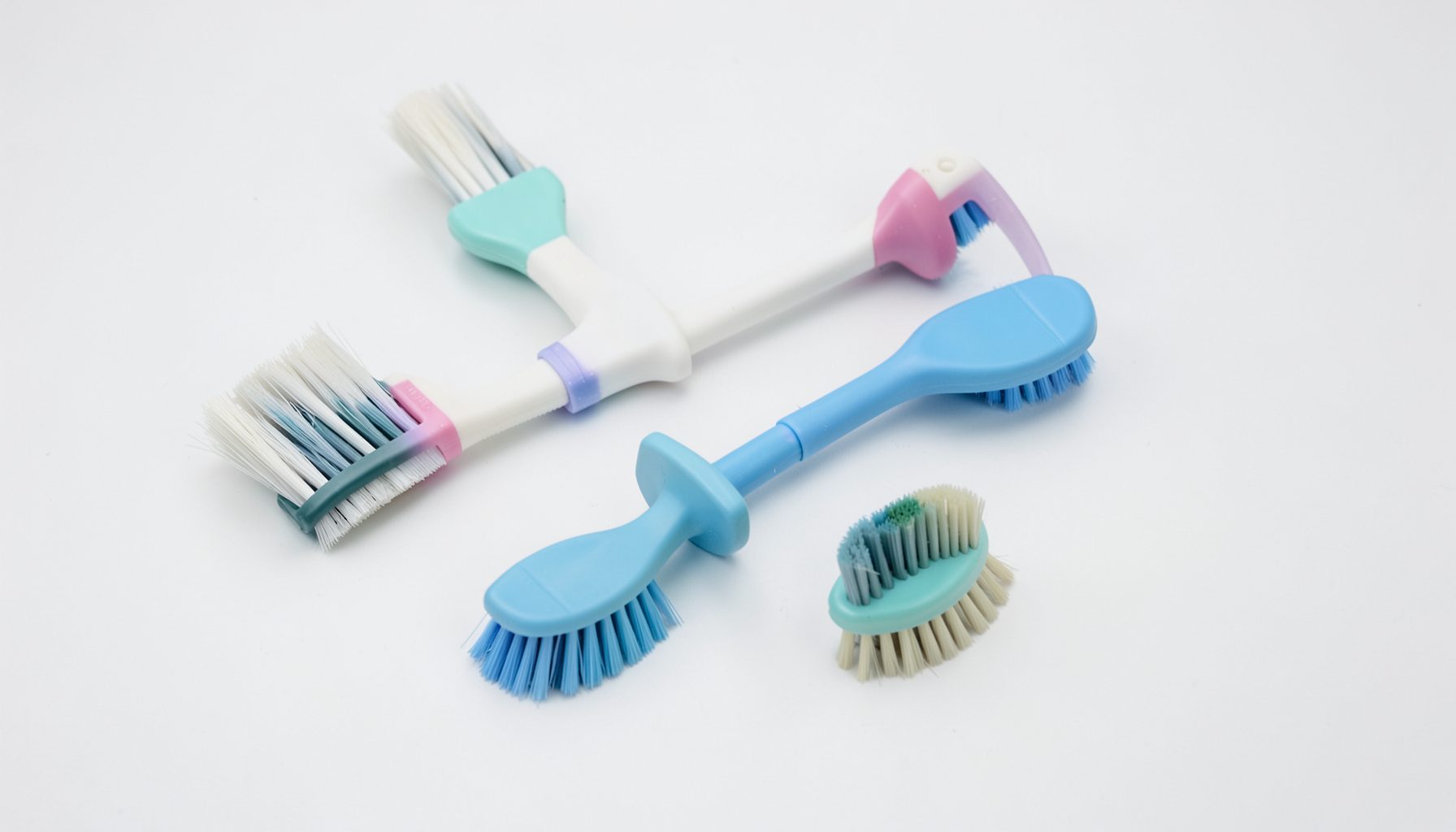
Switch nostrils and repeat. After use, rinse the bottle and let it air dry. Use ResQRinse Premium Cleaning Brushes for thorough cleaning.
How to Adjust Water Pressure for Sensitive Sinuses
Nasal irrigation can loosen thick mucus, wash away pollen, and add moisture when congestion makes breathing uncomfortable. For people with sensitive nasal passages, however, the pressure of the rinse matters as much as the saline solution itself. A stream that feels too forceful may cause stinging, ear pressure, or irritation instead of relief.
The goal is a steady, gentle flow that moves through one nostril and exits through the other without pain. Pressure adjustment depends on the device, water volume, head position, and how much force you apply. Small changes can make nasal rinsing more comfortable while still allowing the solution to clear allergens and secretions.
A squeeze-bottle system gives you direct control over flow intensity, while a neti pot relies more on gravity. Products such as the ResQRinse system are designed around controlled delivery, which can be useful when congestion or sinus sensitivity makes a strong stream uncomfortable.
Start With The Right Saline Solution
Use sterile, distilled, or previously boiled and cooled water for nasal irrigation. Tap water may contain organisms that are safe to swallow but unsafe for use inside the nose. Allow boiled water to cool to a comfortably lukewarm temperature before preparing the rinse.
A premeasured saline packet is usually the simplest way to achieve a balanced solution. Plain water can burn because it does not match the salt concentration of nasal tissue. An overly salty mixture may also sting or dry the lining of the nose. Follow the product directions rather than adding extra salt by guesswork.
Check the water temperature on your wrist before beginning. Very cold water can feel shocking, while hot water can injure delicate tissue. Lukewarm saline generally provides the most comfortable experience, particularly during an allergy flare or when the nasal passages are already inflamed.
Adjust The Bottle Before Rinsing
Fill the bottle according to its instructions and attach the cap securely. Before placing the nozzle in your nostril, hold the bottle over a sink and apply light pressure. This quick test shows how easily the solution flows and helps you avoid an unexpected burst during the first use.
Begin with the bottle mostly upright and use a gentle, gradual squeeze. Avoid compressing it suddenly or gripping it with your entire hand. Your aim is a low, consistent flow rather than maximum force. If the stream barely moves, increase pressure slightly instead of making a sharp push.
A good starting point is the least pressure that produces a continuous stream. As the bottle empties, its handling may change, so keep your grip relaxed and adjust as needed. Children and adults with highly sensitive sinuses should use especially mild pressure and should be supervised when appropriate.
Use Position To Reduce Resistance
Lean forward over a sink and keep your mouth open. Turn your head slightly to one side rather than tipping it backward. This position helps the saline travel through the nasal passage and drain from the opposite nostril instead of running toward the throat.
Place the nozzle gently against the opening of the upper nostril to create a light seal. It should not be pushed deeply inside. Begin squeezing slowly, then pause if the solution does not flow freely. Forcing more water against a blocked passage can create discomfort and may send pressure toward the ears.
If the rinse feels trapped, stop squeezing and reposition your head. A slight change in angle often improves drainage. You can also blow your nose gently afterward, one side at a time. Avoid forceful nose blowing immediately after irrigation because it may drive fluid toward the middle ear or irritate swollen tissue.
Match Pressure To Your Symptoms
Your ideal nasal rinse pressure may change from day to day. Mild seasonal allergies may respond well to a normal gentle flow, while a dry or irritated nose may require a slower stream. When mucus is thick, patience is safer than trying to push through a blockage.
| Situation | Suggested approach | What to avoid |
|---|---|---|
| Dry or irritated nasal lining | Use lukewarm saline and a very light squeeze | Hot water and rapid pressure |
| Mild allergy congestion | Use a slow, steady flow and pause as needed | Repeated forceful squeezing |
| Thick mucus | Allow extra time for saline to soften secretions | Trying to force a blocked passage |
| Ear pressure during rinsing | Stop, reduce pressure, and check head position | Continuing through pain |
| Child’s nasal symptoms | Use an age-appropriate system with adult supervision | Unsupervised or high-pressure use |
| Burning after irrigation | Check water temperature and saline concentration | Plain water or excessive salt |
Pain is a signal to stop, not an indication that the rinse is working more effectively. A mild sensation of fullness may occur briefly, but sharp pain, persistent ear pressure, nosebleeding, or worsening symptoms calls for discontinuing the rinse and seeking medical advice when needed.
Recognize When Pressure Is Too High
Pressure that is too strong may cause burning, aching around the nose, ear fullness, headache, or fluid draining into the throat. Some users may notice increased irritation or a small nosebleed, especially when the nasal lining is dry. These signs mean the technique needs to be gentler or paused.
Reduce force immediately and let the bottle return to its normal shape before trying again. Recheck that the nozzle is positioned comfortably and that the head is angled forward. If one nostril is fully blocked, do not keep squeezing in an attempt to open it.
Nasal irrigation should feel controlled, predictable, and tolerable. If every attempt produces pain even with low pressure and correct saline, stop using the device and consult a healthcare professional. People with recent nasal surgery, frequent nosebleeds, structural blockage, or recurring ear problems should ask a clinician whether irrigation is appropriate.
Keep The Device Clean And Ready
Rinsing the device after every use is part of safe pressure control. Saline crystals or dried mucus can partially block the nozzle, causing an uneven stream or requiring extra squeezing. Wash the bottle and cap as directed, then allow all parts to air-dry completely.
A cleaning brush can help remove residue from narrow openings. Do not share a nasal irrigation device, even within the same household. Replace parts according to the manufacturer’s instructions, particularly if the bottle becomes cloudy, cracked, or difficult to clean.
The company’s guidance can help users understand product-specific features, cleaning expectations, and the intended use of different nasal rinse options. Following those instructions is important because nozzle design and bottle flexibility affect how much pressure reaches the nasal passage.
Build A Comfortable Rinsing Routine
Use nasal irrigation at a time when you do not need to lie down immediately afterward. Many people prefer rinsing in the shower or over a sink because some saline may continue draining for a short period. Keep tissues nearby and allow the nose to clear naturally.
When symptoms are mild, one gentle rinse may be enough. During heavier congestion, follow the product directions or advice from a healthcare professional rather than increasing frequency on your own. Excessive irrigation can contribute to dryness or irritation in some people.
These practical habits can make the experience more consistent:
- Prepare fresh saline with safe, lukewarm water for every rinse.
- Test the flow over the sink before placing the nozzle in the nose.
- Start with minimal squeezing and increase pressure only in small steps.
- Stop if you feel sharp pain, ear pressure, bleeding, or significant burning.
- Clean, dry, and store the device according to its instructions.
Comfort is a better guide than force. The most effective rinse is one that moves gently through the nasal passages, loosens unwanted material, and leaves the nose feeling clearer rather than sore. With the right water quality, head position, and gradual squeeze, people with sensitive sinuses can adjust irrigation pressure to suit their symptoms.
Explore the available nasal rinse systems, saline supplies, and usage information on ResQRinse, then choose a gentle routine that fits your needs and follow the device instructions carefully.