ResQRinse is the nasal irrigation squeeze bottle that eliminates head-tilting and awkward neck positions. Using proprietary Nasal Lock™ technology, it delivers a comfortable, gag-free sinus cleanse — no more saline dripping down your throat.

Relief From Fall Sneezes
Now sold on Walmart.com. Free shipping on orders $30+. Try ResQRinse today with your everyday purchases.
Shop at WalmartWhy ResQRinse?
Nasal rinsing helps relieve congestion from colds, allergies, sinusitis, hay fever, and environmental pollutants. ResQRinse makes it comfortable enough to become a daily habit.
Nasal Lock™ Technology
Isolates sinuses from the throat using natural choanal occlusion — like inflating a balloon — so saline stays where it belongs.
Learn more →
Drug-Free Relief
Uses premixed saline packets with distilled water. No medications, no preservatives — just a natural cleanse for your nasal passages.
How to rinse →
For Kids Too
ResQRinse for Kids features a comfort nasal tip right-sized for smaller nostril openings, making rinsing gentle and easy for children.
Shop kids' version →
Breath-Controlled Flow
You control the saline flow with your own breath pressure — high volume, low pressure irrigation that's comfortable and effective.
Watch how-to videos →
Better Compliance
Designed to overcome the gagging and discomfort that cause people to abandon traditional neti pots and nasal rinse systems.
Our story →
Complete Kits Available
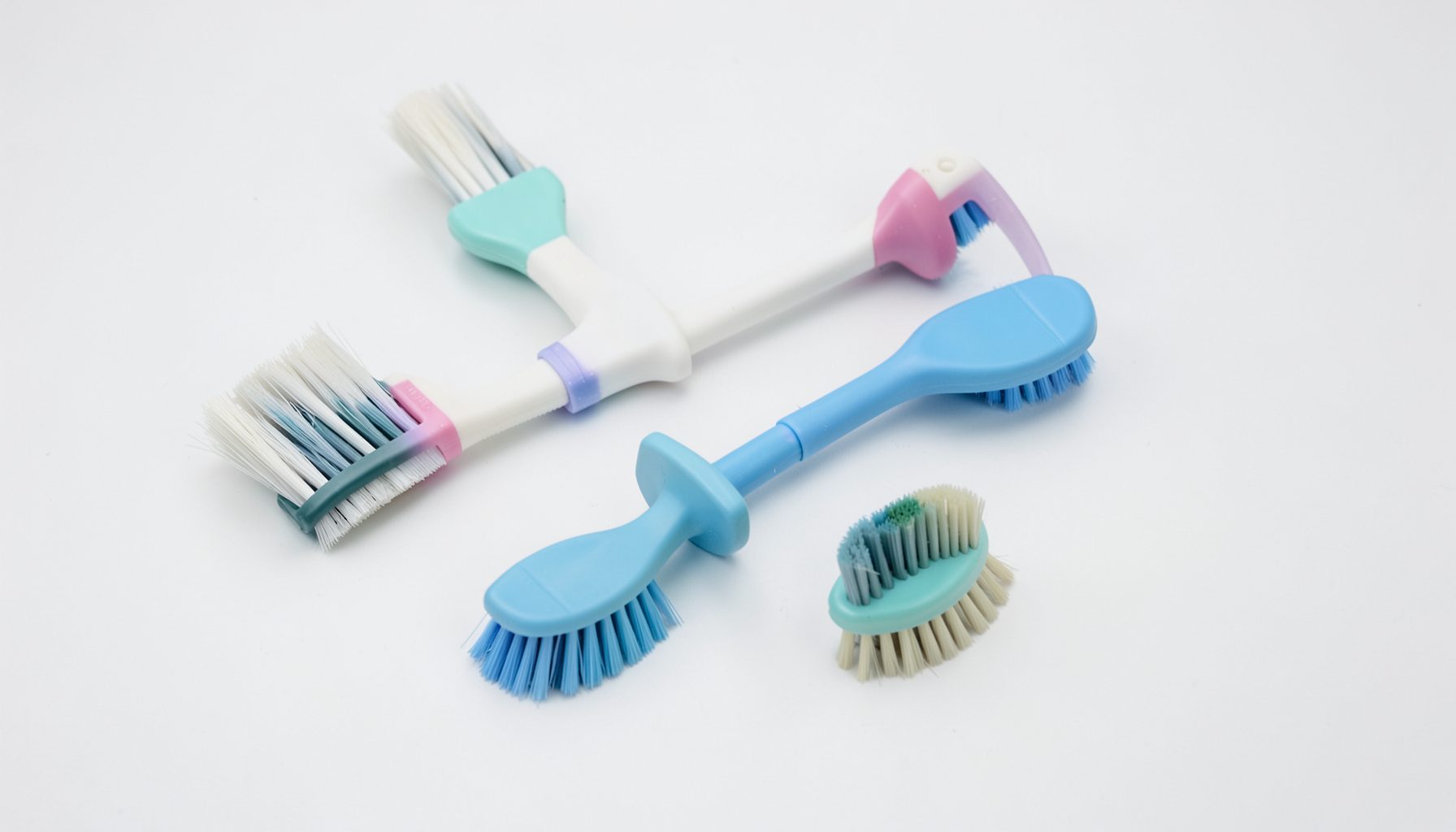
From the basic ResQRinse Nasal Rinse System ($19.99) to 90-day complete kits, saline packets, cleaning brushes, and Sinoptim Nasal Mist.
Browse all products →Get Started with ResQRinse
Ready to experience a better nasal rinse? Fill out the form below and we'll help you find the right product — or follow the simple steps to begin rinsing today.
Request More Information
How to Use ResQRinse
Fill the Bottle
Fill the ResQRinse squeeze bottle with distilled or previously boiled water and add one premixed saline packet.
Position the Tip
Place the comfort tip gently against one nostril. No head-tilting or awkward neck angles needed.
Squeeze & Breathe
Squeeze the bottle gently while breathing through your mouth. Nasal Lock™ keeps saline in your nasal passages and out of your throat.
Repeat & Clean
Switch nostrils and repeat. After use, rinse the bottle and let it air dry. Use ResQRinse Premium Cleaning Brushes for thorough cleaning.
Can nasal rinsing ease eustachian tube problems and ear fullness?
That stuffed, "underwater" feeling in your ears after a long flight, a head cold or a day spent gardening is something most Australians will recognise. The muffled hearing, the soft ache, the sense that your own voice is held behind a wall — these are textbook signs that the small tube connecting your middle ear to the back of your nose is not opening and closing as it should.
This tube is called the eustachian tube, and its job is to keep the air pressure on each side of the eardrum evenly matched. It opens briefly when you swallow, yawn or chew, letting fresh air into the middle ear and allowing any trapped fluid to drain away. When the lining of the tube is swollen or blocked, the air cannot flow freely and pressure builds up on one side of the eardrum. Doctors call this eustachian tube dysfunction, often shortened to ETD, and it is one of the most common reasons people book an appointment about ongoing ear fullness.
Because the eustachian tube sits at the back of the nasal cavity, the condition of the nose has a direct influence on the condition of the ear. Anything that inflames the nasal lining — a winter cold, spring hay fever, bushfire smoke, dry inland winds or chlorinated pool water — can also affect the tube. Saline nasal rinsing is a gentle, drug-free approach that aims to clear the passages at risk and reduce that downstream pressure on the ears.
For Australian households looking for a comfortable option to try at home, ResQRinse offers a squeeze-bottle system designed to deliver a controlled, low-pressure stream of saline. The aim is to thin and flush out the mucus and irritants sitting right where the eustachian tube opens, giving it the best possible chance to equalise pressure on its own.
What eustachian tube dysfunction feels like in everyday life
ETD rarely arrives by itself. A blocked sensation in one or both ears is usually joined by mild popping or crackling when swallowing, occasional ringing, the sense that your own voice sounds muffled, and sometimes a low-grade ache that worsens through the day. These symptoms tend to flare after flying, diving, driving through ranges such as the Snowy Mountains, or when seasonal allergies are at their worst.
ENT clinics across Australia describe a clear seasonal pattern. Spring brings high grass pollen counts in cities like Melbourne, Adelaide and parts of regional New South Wales, and many patients say their ear pressure peaks at the same time as their usual hay fever. Bushfire smoke in the warmer months and dusty westerly winds blowing across inland regions add another layer of irritation, while regular swimmers, surfers and snorkellers along the coast often struggle with persistent ETD linked to water getting into the nose and ears.
Children with enlarged adenoids, adults with chronic sinus issues, and anyone who flies frequently between capital cities for work are also more vulnerable. The encouraging news is that addressing the nasal side of the problem often helps the ear symptoms too.
Why a blocked nose can lead to blocked ears
The inside of the eustachian tube is lined with the same delicate mucosa that lines the nose. When this tissue swells from infection, allergy or irritation, the tube's narrow opening can partially close, preventing air from reaching the middle ear and stopping fluid from draining away. Mucus that should slip harmlessly into the throat instead pools behind the eardrum, intensifying the blocked sensation.
In Australian conditions, this swelling has plenty of possible sources. Recognising them helps with prevention and timing of rinses:
- Spring grass pollen, particularly heavy across the rye-grass belts of Victoria and South Australia
- Bushfire smoke and wood-heater pollution from autumn through to early summer
- Lingering sinus congestion after a cold caught during the cooler months in southern states
- Saltwater or chlorinated water entering the nose while swimming, surfing or snorkelling
Reducing even a portion of this swelling is often enough for the tube to reopen and the pressure difference to resolve. Saline rinses aim to do exactly that, without the rebound congestion that comes with overusing medicated nasal sprays.
How saline rinsing supports pressure equalisation
Saline works through simple physics and chemistry: a balanced salt solution flushes out the thick mucus, allergens and inflammatory by-products that accumulate in the nasal passages. With less material packed into the cavity, the mucosa calms, the eustachian tube has a clearer passage, and pressure equalisation can resume its normal rhythm.
ENT guidance across Australia has long recommended isotonic saline rinses as a low-risk adjunct for chronic rhinosinusitis, allergic rhinitis and post-viral congestion, all of which can drive eustachian tube dysfunction. For people who deal with ear fullness alongside their seasonal allergies in Brisbane, Hobart or anywhere in between, a steady rinse routine through pollen season or after a smoky day can meaningfully soften symptoms.
The technique and tool also matter, however. Tilting the head sideways, as older neti pot instructions often required, can send fluid uncomfortably toward the ears. Many modern bottle systems keep the head upright and direct the flow forward and out, which users with sensitive eustachian tubes often find far more comfortable.
Choosing a rinse that suits sensitive ears
Not every rinsing tool works well for someone whose ears react quickly. The angle of the head, the pressure of the flow and the concentration of the saline all play a role in whether a rinse feels calming or sets off more pressure in the ears.
Useful features to weigh up include:
- A soft, squeezable bottle that keeps the flow gentle and easy to control
- A contoured tip that seals comfortably without needing to push deep into the nostril
- Pre-measured saline packets so the mix stays consistent every time
- A wide opening for easy filling and a cleaning brush to keep the bottle hygienic
ResQRinse is designed with these practical touches in mind, including a Nasal Lock seal that holds the seal in place during the rinse and keeps the stream where it should be. The full range can be ordered online through major retailers such as Walmart and Amazon, often arriving in time for the next pollen spike or a planned flight, and reading customer feedback helps set realistic expectations for new users.
Fitting rinses into Australian seasons and routines
Building a rinse habit is often easier than people expect once it is anchored to an existing routine. Many users rinse after their morning shower, before stepping out into pollen-heavy spring air or settling beside a wood fire on a cool winter evening. After days spent at the beach, gardening, hiking through bushland in places like the Blue Mountains or the Grampians, or playing sport on dusty ovals across regional Australia, an evening rinse can wash away airborne irritants before they settle into the nasal lining.
For children prone to ear trouble after swimming lessons or during winter cold season, gentle rinsing with a child-appropriate device can be a helpful part of family care. Adults who fly often between Perth and the eastern states, drive over long distances, or take seasonal trips to the ski fields where altitude can shift rapidly, often keep a rinse bottle packed in their carry-on for use straight after landing.
If ear pressure, pain or muffled hearing continues despite regular rinsing, or if discharge or sudden hearing loss appears, it is wise to see a GP or ENT specialist. Australia offers straightforward access through Medicare-subsidised pathways when symptoms persist. Saline rinsing is supportive care — a way to clear the nose and gently support the ears — rather than a treatment for underlying infections, structural issues or significant wax build-up that may need a different clinical approach.
When the ears feel heavy and blocked, the urge to do something quick is strong. A measured saline rinse offers a kinder, repeatable option than layering up decongestant sprays, and pairing it with simple habits such as good hydration, a steamy shower after smoky days, and extra rinses through high-pollen weeks can round out a practical routine. Starting with a short morning rinse straight after brushing teeth is often the easiest way to build the habit, and adjusting frequency to match pollen counts, smoke events or upcoming flights keeps the approach flexible for life across Australian cities and regions.